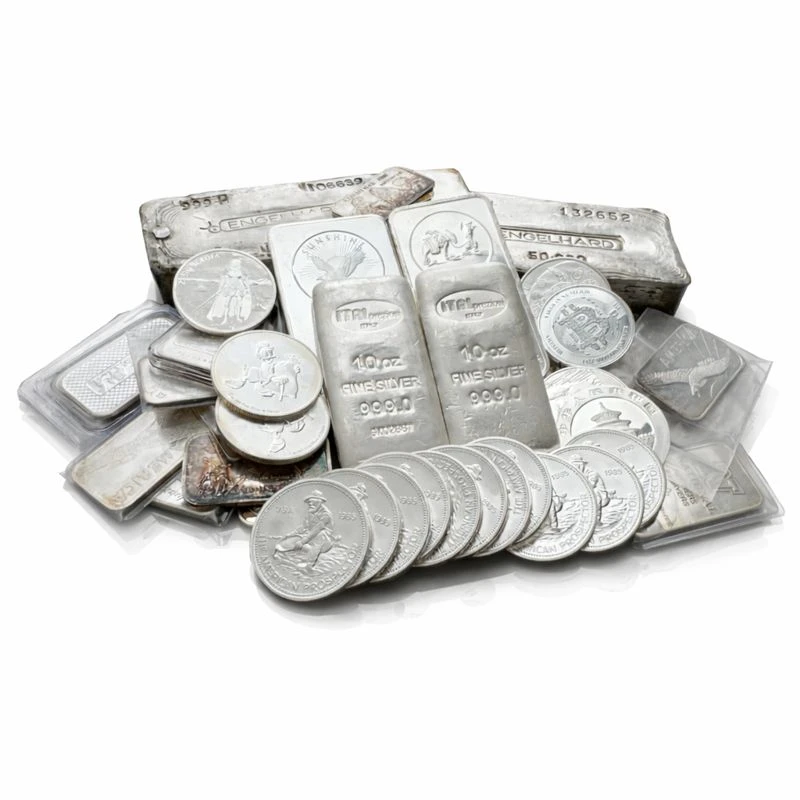

Silver’s Dual Identity: Industrial Utility Meets Investment Appeal
Silver occupies a unique position among precious metals because it functions simultaneously as a critical industrial input and a trusted store of value. Unlike gold, which is predominantly held for investment and jewelry, silver is deeply embedded in modern manufacturing while also attracting investors seeking diversification and inflation protection. This dual identity means silver demand is shaped by both macroeconomic trends and real-world industrial consumption, making its market dynamics more complex and often more volatile than other precious metals.
Industrial Demand: The Backbone of Silver Consumption
A significant share of global silver demand comes from industrial applications. Silver’s unmatched electrical and thermal conductivity makes it essential in electronics, electrical contacts, batteries, and advanced circuitry. It is also a key material in solar panels, where it plays a vital role in photovoltaic cells, directly linking silver demand to the global shift toward renewable energy. As industries such as electric vehicles, 5G infrastructure, and green technologies expand, industrial silver consumption continues to grow steadily, creating a strong baseline of demand regardless of investor sentiment.
Investment Demand: Safe Haven and Wealth Preservation
Alongside its industrial use, silver remains a popular investment metal. Investors turn to silver bullion bars, coins, and ETFs as a hedge against inflation, currency depreciation, and economic uncertainty. Its lower price point compared to gold makes it more accessible to retail investors, often driving higher volumes of physical purchases during periods of market stress. Investment demand can surge rapidly in response to geopolitical tensions, monetary policy shifts, or fears of recession, amplifying price movements and adding a speculative dimension to silver markets.
How Economic Cycles Influence Silver Demand
Silver’s dual role causes its demand to react differently across economic cycles. During periods of economic growth, industrial demand tends to rise as manufacturing and technology sectors expand. In contrast, during economic slowdowns or financial crises, industrial demand may soften, but investment demand often increases as investors seek safe-haven assets. This push-and-pull effect means silver can sometimes outperform other metals in volatile environments, as weakness on one side of demand is partially offset by strength on the other.
Supply Constraints and the Long-Term Demand Outlook
On the supply side, silver production faces structural challenges. Much of the world’s silver is mined as a byproduct of base metals like copper, lead, and zinc, limiting the ability of producers to quickly respond to rising demand. When combined with expanding industrial use and recurring waves of investment interest, these constraints support a strong long-term outlook for silver demand. As technology adoption accelerates and investors continue to view silver as both a strategic commodity and a financial asset, its role as an industrial and investment metal is likely to become even more significant in the years ahead.




Sign in to leave a comment.