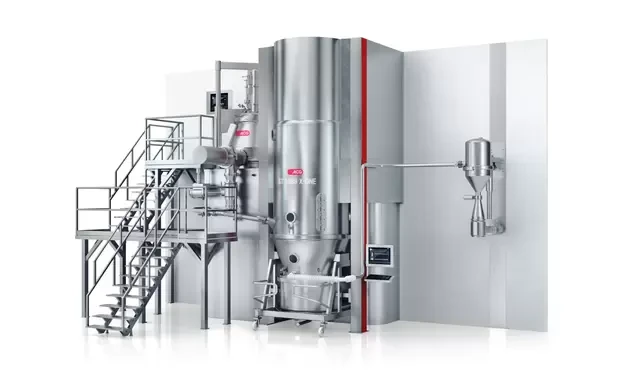

Redefining Granulation Processes
Hot-melt granulation provides a game-changing alternative to traditional methods. Wet granulation’s drying requirements and dry granulation’s weaker granules are replaced with a process that uses meltable binders to create strong, compressible granules. This eliminates drying and supports moisture-sensitive drugs.
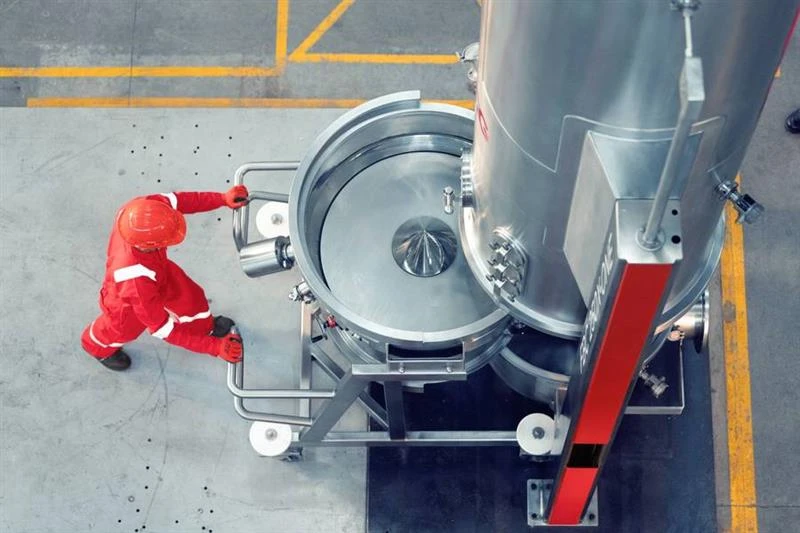
Three leading technologies high-shear mixers, fluid-bed granulators, and twin-screw extruders are pivotal to this process.
Cost and Efficiency Dynamics
High-shear mixers are budget-friendly, requiring minimal auxiliary components and installation. Fluid-bed granulators are pricier upfront but allow retrofitting for existing systems. Twin-screw extruders, while expensive initially, deliver unparalleled efficiency for high-volume production.
Energy efficiency and labor requirements vary. High-shear mixers are energy-efficient but labor-intensive. Fluid-bed granulators require higher energy input but ensure uniform granulation with lower labor costs. Twin-screw extruders excel with continuous operation, minimizing waste and labor needs.
Quality and Maintenance Factors
Fluid-bed granulators and twin-screw extruders produce consistent granules, simplifying quality checks. High-shear mixers may need more rigorous oversight to ensure consistency. Maintenance costs are lowest for high-shear mixers, while twin-screw extruders balance moderate maintenance needs with efficiency.
Strategic Selection
For smaller operations, high-shear mixers provide flexibility and cost savings. Facilities with existing fluid-bed systems benefit from retrofitting, while twin-screw extruders are best for high-output, large-scale production. Careful evaluation of facility needs and objectives ensures the right granulation technology choice for optimal performance.










Sign in to leave a comment.