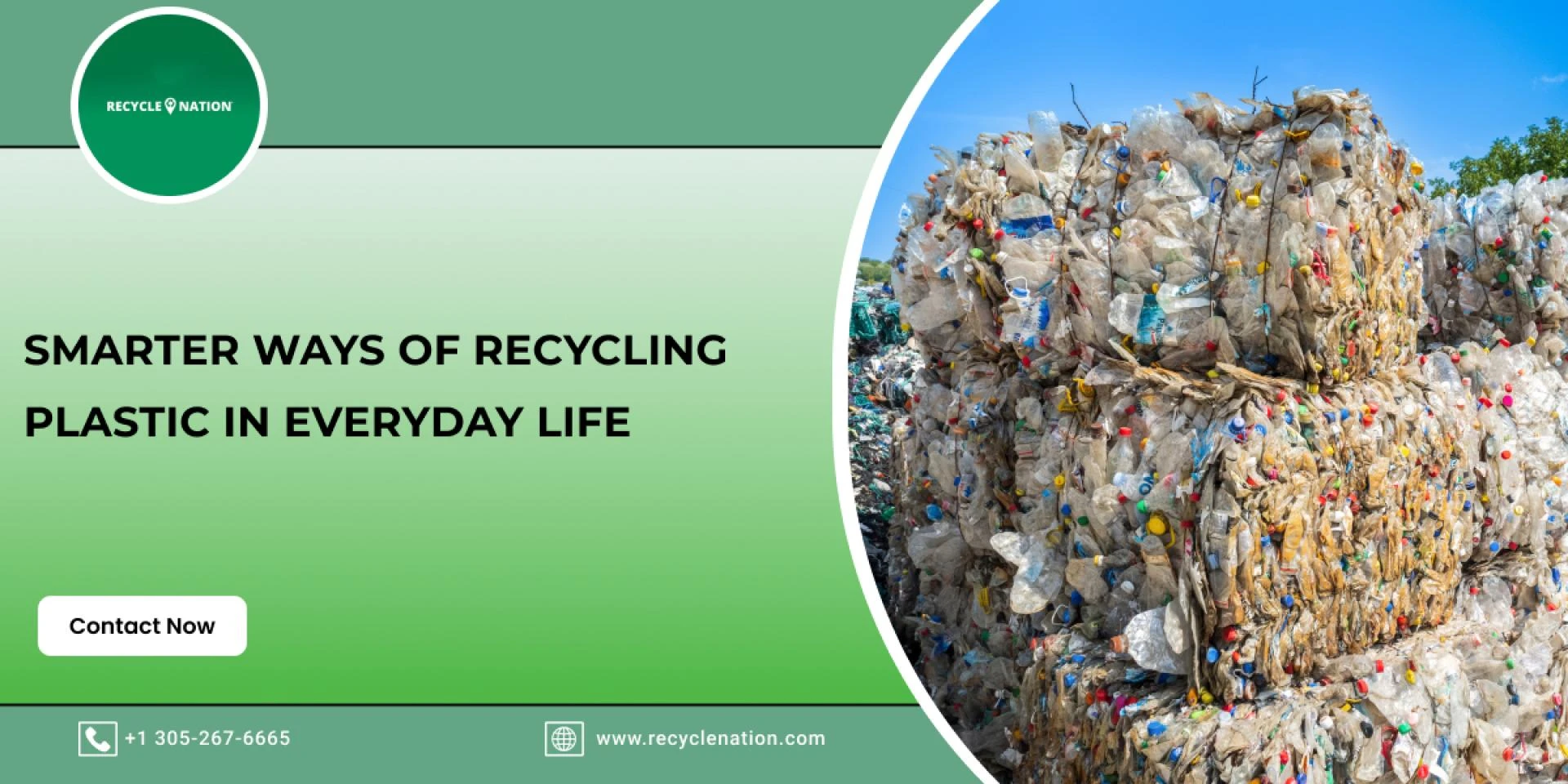

Plastic is a constant part of modern living. From food packaging and bottles to delivery containers, it surrounds us every day. While it offers convenience, it also creates a growing environmental challenge when not disposed of properly. That is why understanding plastic recycling has become an important step toward reducing waste and protecting natural resources.
Why Recycling Plastic Is Important
Plastic waste can take hundreds of years to decompose, which means improperly disposed materials remain in landfills and oceans for generations. When people actively practice recycling plastic, they help reduce pollution and limit the amount of waste entering ecosystems.
Recycling also conserves resources. Producing new plastic requires petroleum and large amounts of energy. By reusing existing plastic materials, industries can reduce the need for new raw materials while lowering overall carbon emissions. Even small actions like separating recyclable containers at home contribute to a more sustainable system.
A helpful way to begin is by learning how different plastic types are identified and processed through recycling plastic guidelines that explain how plastics can be sorted and reused effectively.
Understanding Plastic Types Before Recycling
Not all plastics are created equal. Most plastic products include a small recycling symbol with a number inside it, known as a resin identification code. These numbers help recycling facilities determine how each plastic should be processed.
For example, PET (#1) plastics are commonly used in beverage bottles and are widely recyclable. HDPE (#2), often used in detergent containers and milk jugs, is also accepted in many recycling programs. Other types may require specialized facilities.
Consumers can improve recycling outcomes by rinsing containers, removing food residue, and following local recycling rules. These simple habits prevent contamination and help ensure that recyclable materials are actually reused instead of discarded.
Everyday Habits That Support Better Recycling
Recycling plastic becomes more effective when it is part of daily routines. Choosing reusable products, reducing single-use packaging, and separating recyclable materials properly are small actions that create meaningful environmental benefits over time.
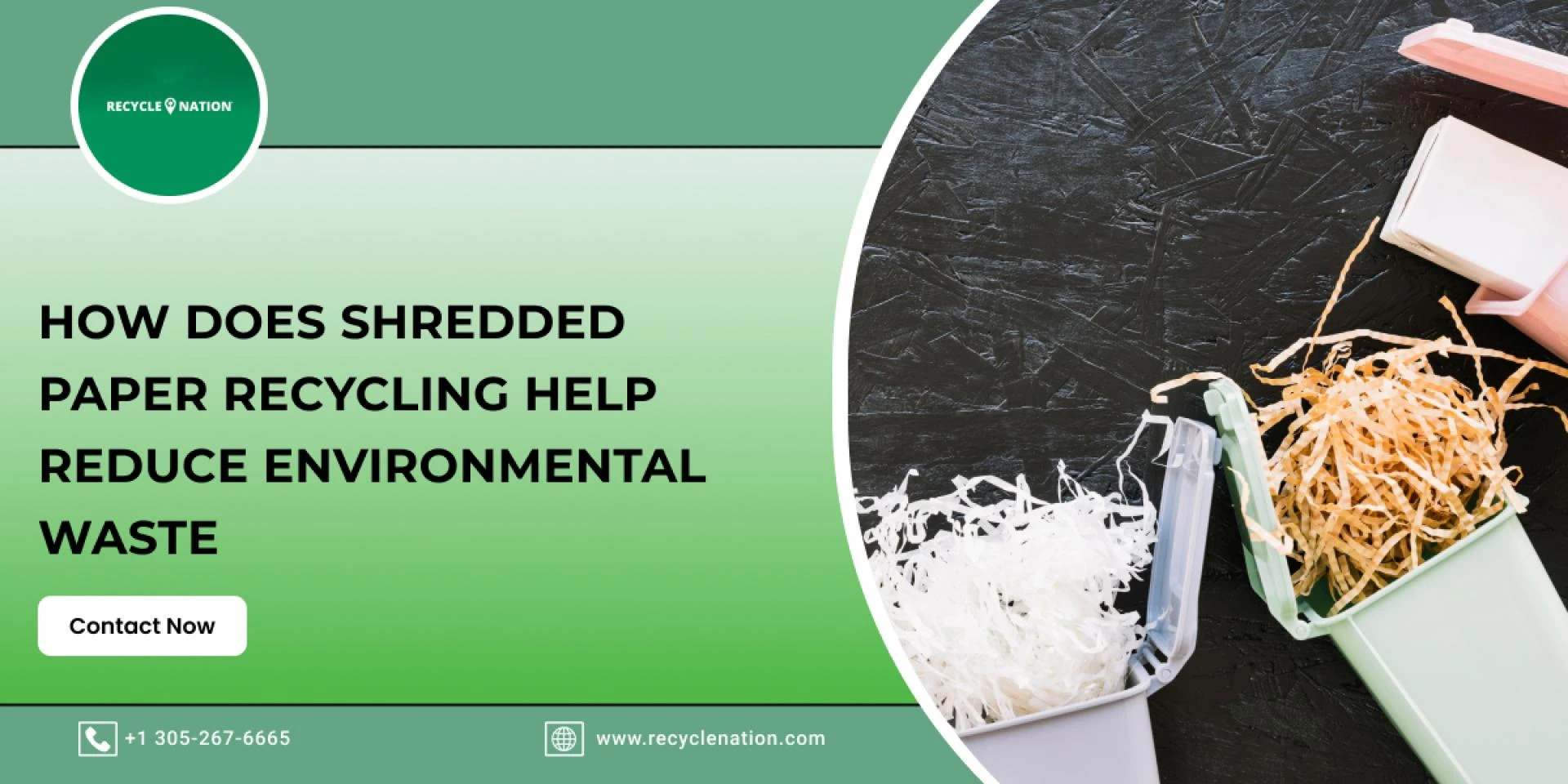
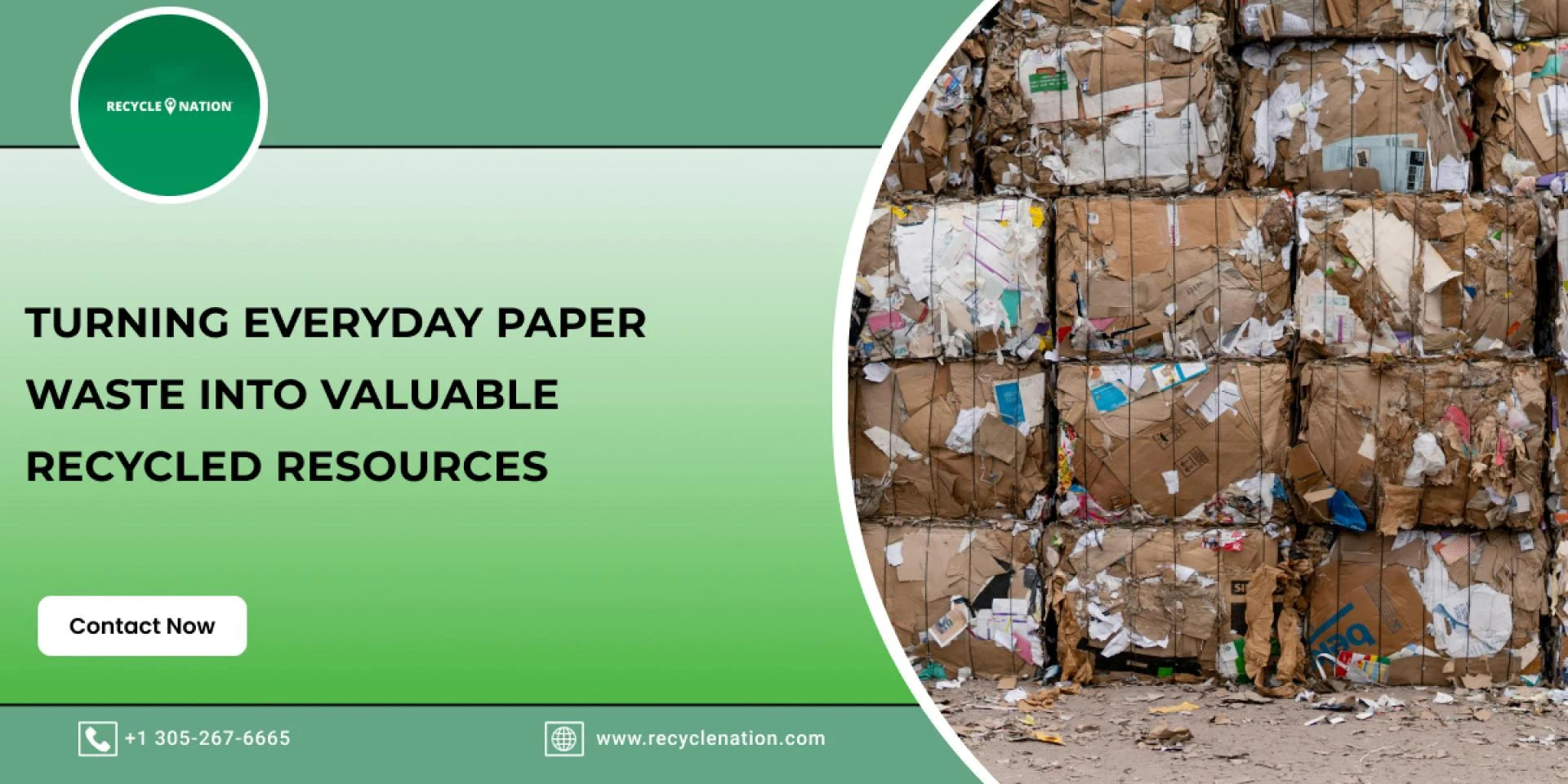
At the same time, it is important to consider how other materials are recycled as well. Paper recycling, for instance, depends heavily on fiber length. When paper is heavily cut or shredded, its fibers become shorter and harder to reuse. This is why understanding shredded paper recycling can help people make better disposal decisions.
By staying informed and adopting responsible recycling habits, individuals can contribute to a more efficient recycling system while supporting long-term environmental sustainability.








Sign in to leave a comment.