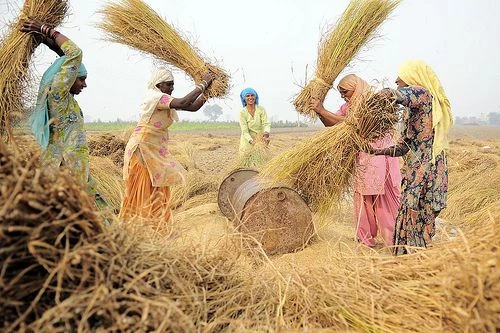

In today’s competitive world, small and medium farmers often find themselves fighting an uphill battle. From rising input costs to fluctuating market prices and unpredictable weather farming alone is no longer sustainable. But what if farmers didn’t have to face these challenges alone? What if there was a way to grow stronger, together?
Agricultural cooperatives offer just that a powerful solution where unity brings strength, stability, and success. Across the globe, co-ops are transforming rural communities, improving farmer incomes, and bringing prosperity to the fields. This article explores the power of agri-cooperatives and why joining forces is the smartest move a farmer can make today.
Chapter 1: What is an Agricultural Cooperative?
An agricultural cooperative is a member-owned organization where farmers work together to achieve common goals whether it’s buying inputs, selling produce, accessing credit, or sharing technology. Every member has a say, and every member benefits.
Cooperatives function on the principle of:
- One member, one vote
- Profit shared among members
- Democratic decision-making
- Collective bargaining power
In short, agri-cooperatives turn isolated efforts into a united force.
Chapter 2: Why Go It Alone? The Problem with Solo Farming
Most small farmers are price takers, not price makers. Here's why:
- High input costs: Buying seeds, fertilizers, or machinery alone means paying retail prices.
- Middlemen squeeze profits: Selling individually to traders or mandis often leads to low prices.
- No storage, no bargaining: Without storage or transport, farmers are forced to sell at harvest-time, even when prices are low.
- Lack of information: Many farmers have little access to market trends, government schemes, or new technologies.
- Risk overload: One failed crop, one disease outbreak, one drought and a farmer’s entire year is ruined.
In this lonely struggle, profits shrink, stress grows, and rural life suffers.
Chapter 3: Enter the Cooperative – A Game Changer
Agri-cooperatives tackle these challenges head-on:
1. Better Buying Power
Co-ops buy seeds, fertilizers, pesticides, and tools in bulk getting wholesale prices and discounts. This slashes input costs for all members.
2. Stronger Selling Power
Instead of small, scattered sales, co-ops collect and sell large volumes of produce at better prices, directly to markets or companies.
3. Storage & Transport
Together, co-op members can build warehouses, cold storage, and buy transport vehicles. No more distress selling.
4. Access to Credit
Banks and government schemes are more likely to support organized cooperatives. Co-ops help members get loans, crop insurance, and subsidies faster.
5. Training & Technology
Cooperatives often organize farmer training programs, soil testing, expert visits, and even digital tools to improve productivity.
6. Risk Sharing
If one member faces a crop failure, the co-op can support them. Risk is shared, not suffered alone.
Chapter 4: Real-World Success Stories
Amul White Revolution
India’s most iconic dairy cooperative, Amul, transformed Gujarat’s rural economy. Thousands of small dairy farmers came together to process, brand, and sell milk, turning a daily chore into a nationwide movement.
Lasalgaon Onion Co-op, Maharashtra
Asia’s biggest onion market is run by a farmers' cooperative. Members control prices, storage, and timing ensuring better returns.
Mulkanoor Cooperative, Telangana
With services ranging from seeds and loans to marketing and healthcare, this co-op shows how farmer unity can drive rural development.
These aren’t just stories they are proof that cooperatives work.
Chapter 5: Economic Benefits That Matter
Cooperatives boost more than morale they boost incomes.
According to studies:
- Farmers in co-ops earn 15–25% more on average.
- They spend 20–30% less on inputs.
- They have higher productivity due to shared knowledge and better practices.
- They face fewer market shocks and weather-related risks.
In other words, profit goes up, pressure goes down.
Chapter 6: Social Power of Cooperatives
Agri-cooperatives don’t just change incomes they change lives.
Empowering Women
Many women-only co-ops have sprung up, giving rural women financial independence and leadership roles.
Building Community
Cooperatives create a sense of unity in villages. Shared goals lead to better relationships, less migration, and more local development.
Encouraging Youth
Co-ops provide training, innovation, and a future vision bringing rural youth back to farming with dignity.
Chapter 7: How to Start or Join a Co-op
Starting a cooperative is not difficult, but it does require commitment and organization.
Steps to Start:
- Gather farmers with shared needs or goals.
- Register the cooperative under the Co-operative Societies Act.
- Create a managing committee and draft bylaws.
- Collect initial funds or membership fees.
- Connect with support agencies government, NGOs, banks.
- Start small and grow steadily.
Or Join an Existing Co-op:
If there's an agri-cooperative nearby, consider joining. Most co-ops are open to new members, and the benefits begin immediately.
Chapter 8: Government Support for Cooperatives
Governments across India and the world recognize the power of co-ops.
In India:
- NABARD provides finance and training.
- FPO (Farmer Producer Organisation) schemes help cooperatives scale up.
- Digital platforms like eNAM link co-ops to national markets.
- Tax benefits and grants are available for registered cooperatives.
Policy is on your side use it.
Chapter 9: The Digital Future of Cooperatives
The new era of agri-cooperatives is not just about collecting crops it's about collecting data, insights, and smart tools.
- Digital payments and records make co-ops transparent.
- Mobile apps track prices, weather, and soil health.
- AI tools predict yield, reduce pesticide use, and save money.
- Online marketing platforms help co-ops sell directly to consumers.
With technology, cooperatives are becoming smarter, faster, and more profitable.
Chapter 10: Common Myths Busted
“Co-ops are for poor farmers only.”
Wrong. All farmers benefit, big or small.
“Too much politics in co-ops.”
Not true. With proper management, transparency and democracy prevail.
“Co-ops don’t work in my region.”
Many think this until they see a co-op succeed right next door.
The truth is: cooperatives work where farmers want them to.
Chapter 11: From Struggles to Strength A Farmer’s Voice
"Earlier, I used to sell tomatoes to middlemen at whatever price they gave. Many times, I didn’t even recover my cost. After joining the cooperative, we store our tomatoes, wait for the right price, and even sell directly to the city. My income has doubled. But more than that, I feel respected."
Ramesh Yadav, Farmer, Madhya Pradesh
Stories like Ramesh’s are echoed across India and beyond wherever farmers unite, profits follow.
Chapter 12: The Road Ahead Growing the Movement
If 100 farmers form a cooperative, and each brings 1 acre of produce you get 100 acres of bargaining power. Now imagine if 10,000 farmers joined forces across a district. That’s not just a movement that’s a revolution.
- Let’s create more FPOs and co-ops.
- Let’s involve women, youth, and marginalized farmers.
- Let’s combine modern tools with traditional wisdom.
- Let’s turn farming into a profitable, powerful profession.
Conclusion:
The truth is simple: a single drop can dry up, but many drops make a river. In the same way, a lone farmer may struggle, but united farmers thrive.
Agricultural cooperatives are not just organizations they are lifelines, springboards, and networks of strength. They are proof that when farmers plow together, they rise together.
If you’re a farmer, the time to join a agricultural cooperative is NOW. Don’t wait for change be the change. Share your knowledge, your crops, your voice and watch your fields, your profits, and your future grow stronger.













Sign in to leave a comment.