
Sediment control is essential in any environmental project, but it becomes especially critical in ecologically sensitive areas such as wetlands, streambanks, and habitat rehabilitation zones. In these delicate settings, traditional sediment control methods often fall short—they may be too invasive, too temporary, or made of materials that harm the ecosystem they’re intended to protect. For professionals managing sensitive restoration zones, the challenge lies in finding sediment control solutions that are both effective and environmentally compatible.
Enter coir-based sediment control tools like BioD-Watl and BioD-SuperRoll—versatile, natural, and sustainable alternatives engineered to support ecological restoration without disturbing the surrounding habitat. These products, made from biodegradable coconut coir, are specifically designed to stabilize sediment and filter runoff in areas where minimal disturbance and maximum performance are required.
The Need for Gentle Yet Effective Solutions
Sensitive restoration zones demand an approach that balances control and care. Aggressive sediment control methods—like heavy synthetic barriers or chemical stabilizers—can disrupt plant and animal life, alter soil composition, and interfere with natural hydrological cycles. Moreover, many of these materials leave behind waste or require later removal, creating additional disruption in already vulnerable environments.
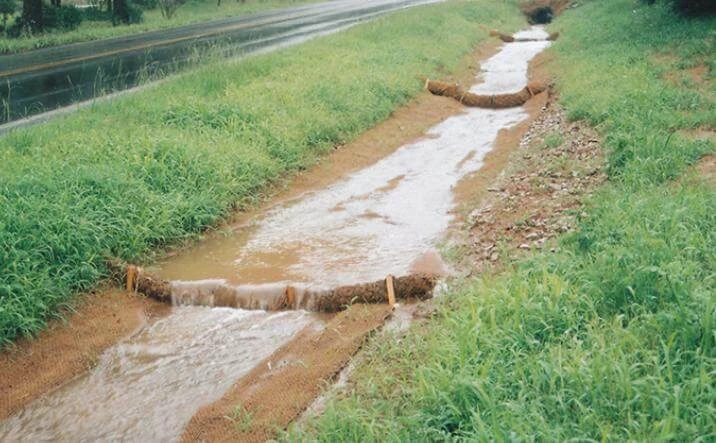
By contrast, BioD-Watl and BioD-SuperRoll provide robust performance using a gentle, nature-based approach. These coir wattles and sediment rolls are laid directly along the ground surface and work by intercepting sediment-laden water, filtering out particulates while allowing water to flow through gradually. Their high-porosity construction supports filtration, while their durability ensures they hold up against stormwater runoff, even in rugged terrain.
How BioD-Watl and BioD-SuperRoll Work
Both BioD-Watl and BioD-SuperRoll are crafted from densely packed coconut coir fibers encased in a coir netting shell. This natural composition gives them structural strength, long-term stability, and high moisture retention—ideal features for sediment control. These products can be placed across slopes, along shorelines, around storm drains, or along streambanks to reduce erosion, manage flow velocity, and trap sediment.
Because they are biodegradable, they don’t require removal once their job is done. Over time, they break down naturally and return nutrients to the soil, making them perfect for use in protected ecosystems, restoration zones, and green infrastructure projects. This makes them particularly valuable for contractors seeking to minimize environmental impact while still complying with erosion and sediment control regulations.
Benefits for Restoration Professionals and Engineers
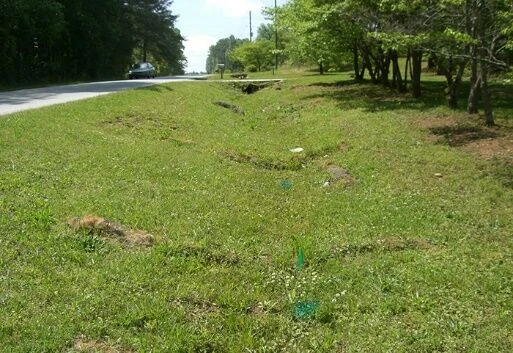
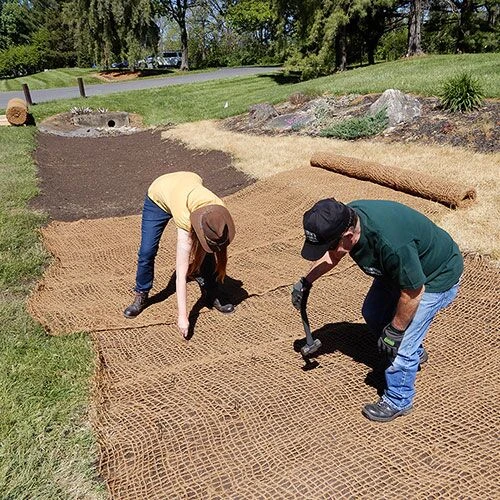
Using coir wattles and sediment rolls brings measurable advantages for professionals working in environmental restoration. First, these products are easy to install, conforming to natural terrain without requiring excavation or permanent anchoring. Their flexibility allows them to wrap around curves, nestle into irregular surfaces, and remain stable even on challenging slopes.
Second, they support long-term ecological goals. Unlike synthetic materials that must be retrieved and disposed of, coir wattles decompose harmlessly, making them ideal for projects with native revegetation or wildlife recovery goals. This aligns well with sustainable land management practices and helps meet LEED, SITES, and similar certification criteria.
Third, they’re cost-effective. While the upfront cost may be comparable to synthetic products, the long-term savings are significant—no removal, no replacement, and less maintenance. This efficiency is especially valuable in projects that span multiple seasons or require phased implementation.
Ideal Applications in Sensitive Zones
The most common use cases for BioD-Watl and BioD-SuperRoll include wetland restoration, streambank stabilization, riparian buffer rehabilitation, and urban green infrastructure development. These products are especially beneficial in zones where heavy equipment is discouraged or prohibited due to ecological risk.
In addition to slope and waterway applications, coir wattles are also widely used around construction perimeters in protected areas to ensure that sediment does not escape into sensitive vegetation or waterways. Their ability to trap suspended solids and reduce turbidity makes them excellent tools in compliance with local environmental regulations.
Because of their natural appearance, these coir products also blend visually into the environment, avoiding the disruption caused by bright synthetic silt fences or plastic barriers. This aesthetic benefit is particularly valuable in parklands, conservation areas, and urban restoration sites.
Environmentally Responsible and Scalable
Coir-based sediment control is not just about performance—it’s also about principles. For B2B contractors, engineers, and project managers working on environmentally sensitive sites, selecting sustainable products reinforces a company’s commitment to environmental stewardship.
BioD-Watl and BioD-SuperRoll are scalable to projects of all sizes, whether it's a small creekside restoration or a large-scale wetland rehabilitation. Available in various sizes and densities, they offer options tailored to flow rates, terrain, and sediment loads.
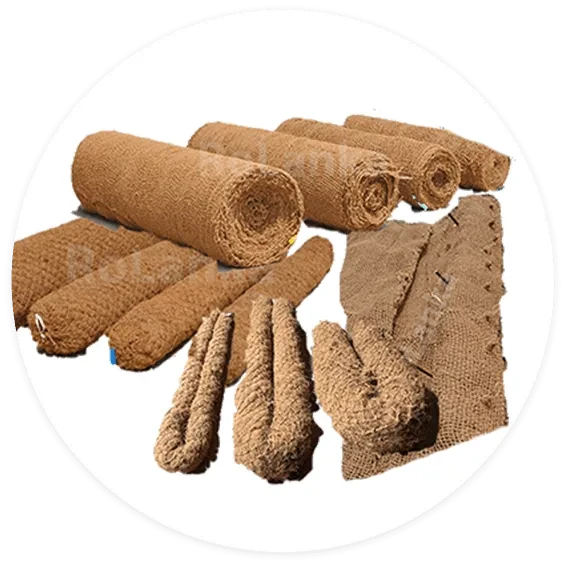
For reliable, field-proven coir-based sediment control products, Rolanka International, Inc. is the industry leader. Their line of contractor-grade sediment control products, biodegradable soil sediment control products, and B2B streambank restoration materials offers unmatched performance for sensitive restoration environments. With decades of expertise and a focus on sustainability, Rolanka International, Inc.’s BioD-Watl and BioD-SuperRoll provide a natural, effective solution for managing sediment without disturbing fragile habitats. From wetland recovery to urban runoff management, their team offers top-tier support and durable products that perform under pressure.
Contact them now.
About the Author
The author is a U.S.-based environmental engineer and restoration consultant with over a decade of experience designing sustainable sediment control strategies for sensitive ecological zones across the country.









Sign in to leave a comment.