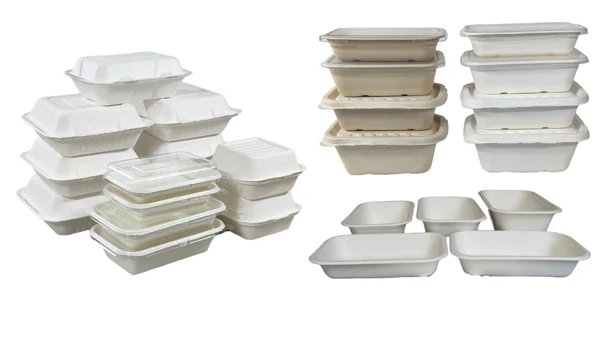

In the pursuit of sustainable living, the food packaging industry has been under increasing scrutiny for its environmental impact. Traditional plastic containers, derived from non-renewable resources, contribute significantly to pollution and landfill accumulation. As a result, there's a growing demand for eco-friendly alternatives. One such promising solution is bagasse food containers. Derived from sugarcane waste, these containers offer a sustainable and biodegradable option for food packaging. This article delves into the properties, environmental benefits, market trends, and future prospects of bagasse food containers, supported by scientific research and data.
Understanding Bagasse: From Sugarcane to Sustainable Packaging
What is Bagasse?
Bagasse is the fibrous residue remaining after extracting juice from sugarcane stalks. Traditionally considered agricultural waste, it has found new life as a raw material for biodegradable products, particularly in the food packaging industry. Composed primarily of cellulose, hemicellulose, and lignin, bagasse offers structural integrity suitable for various applications.
Processing Bagasse into Food Containers
The transformation of bagasse into food containers involves several key steps:
- Pulping: Cleaning and processing the raw bagasse fibers into pulp.
- Molding: Shaping the pulp into desired container forms using molds.
- Drying and Finishing: Drying the molded products and applying any necessary coatings to enhance performance.
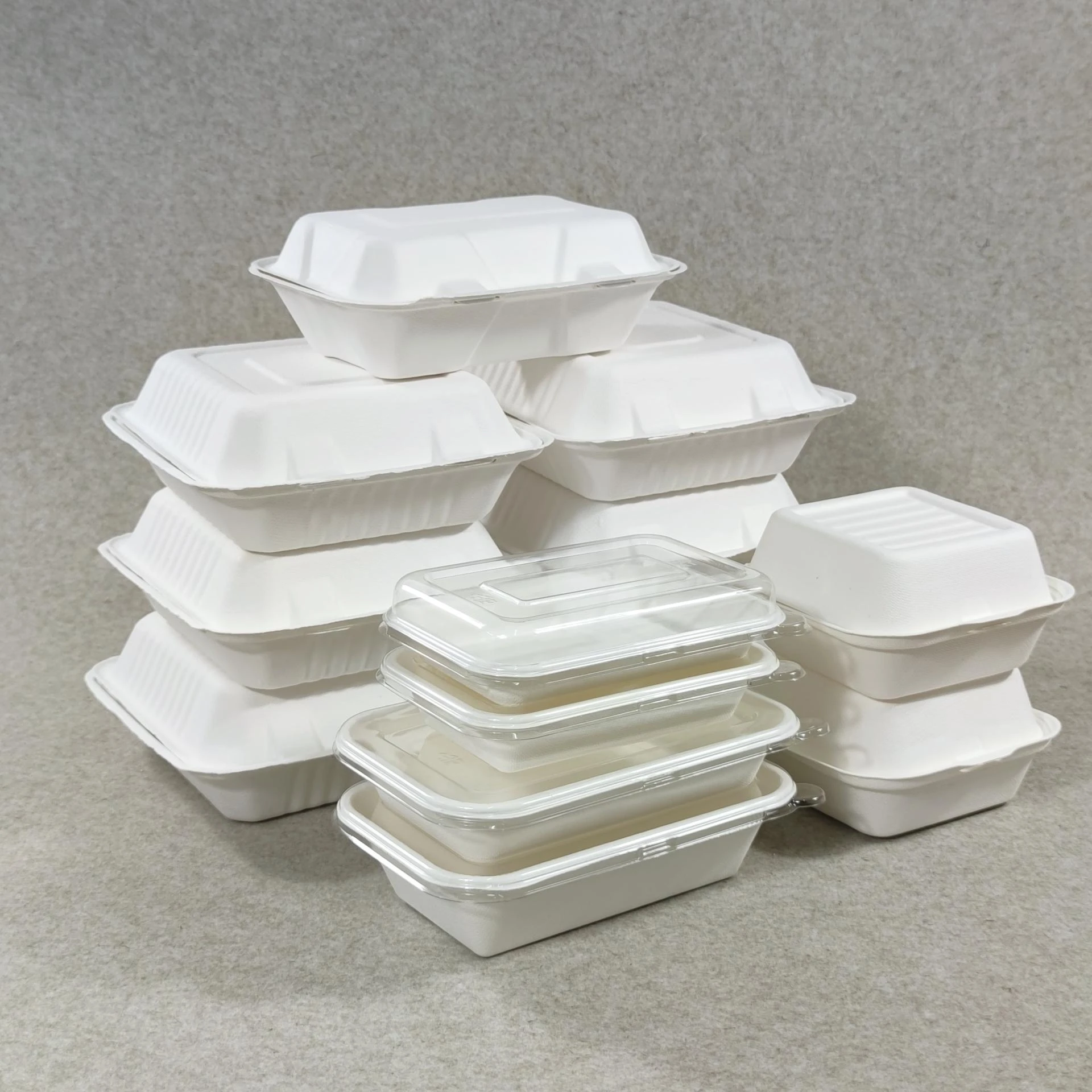
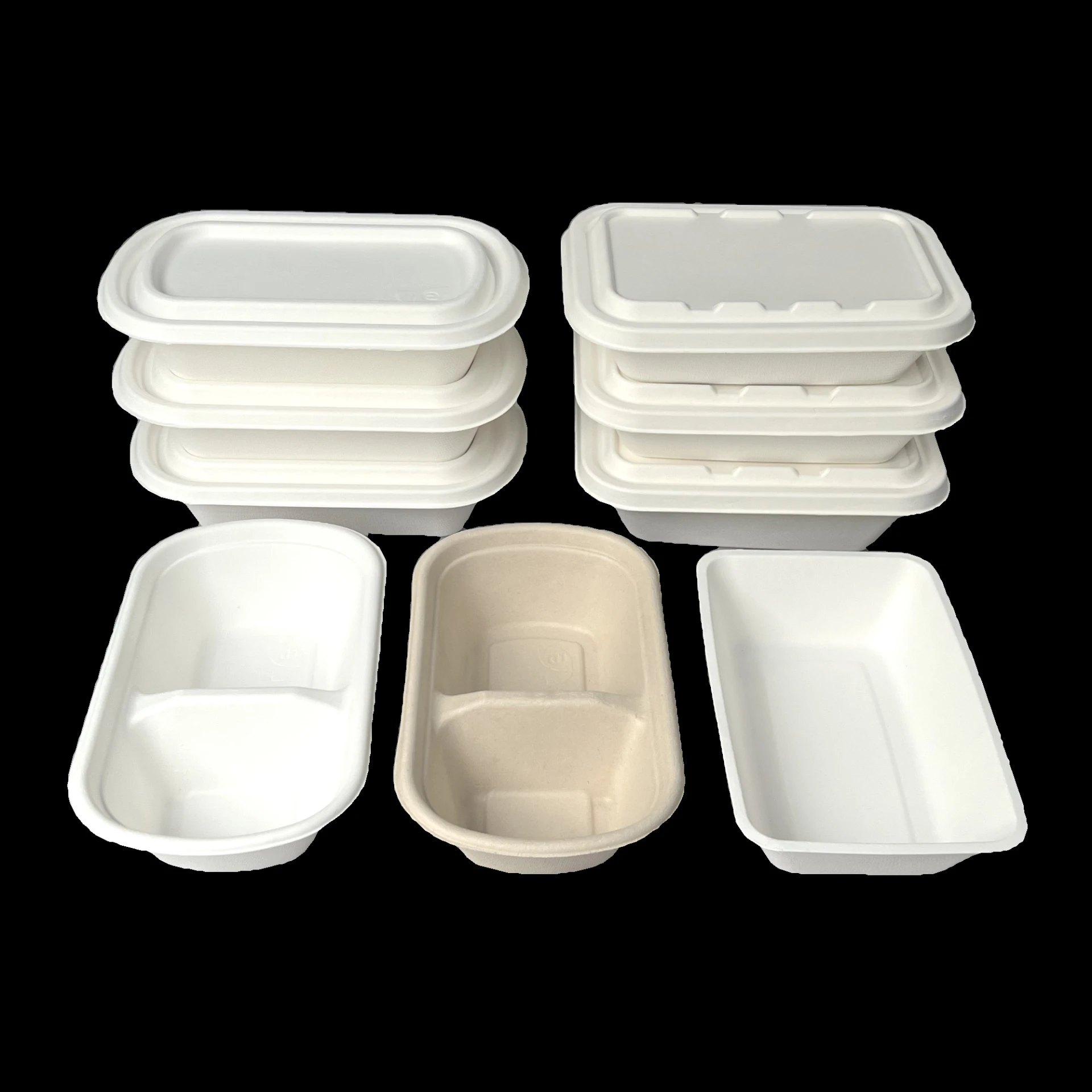
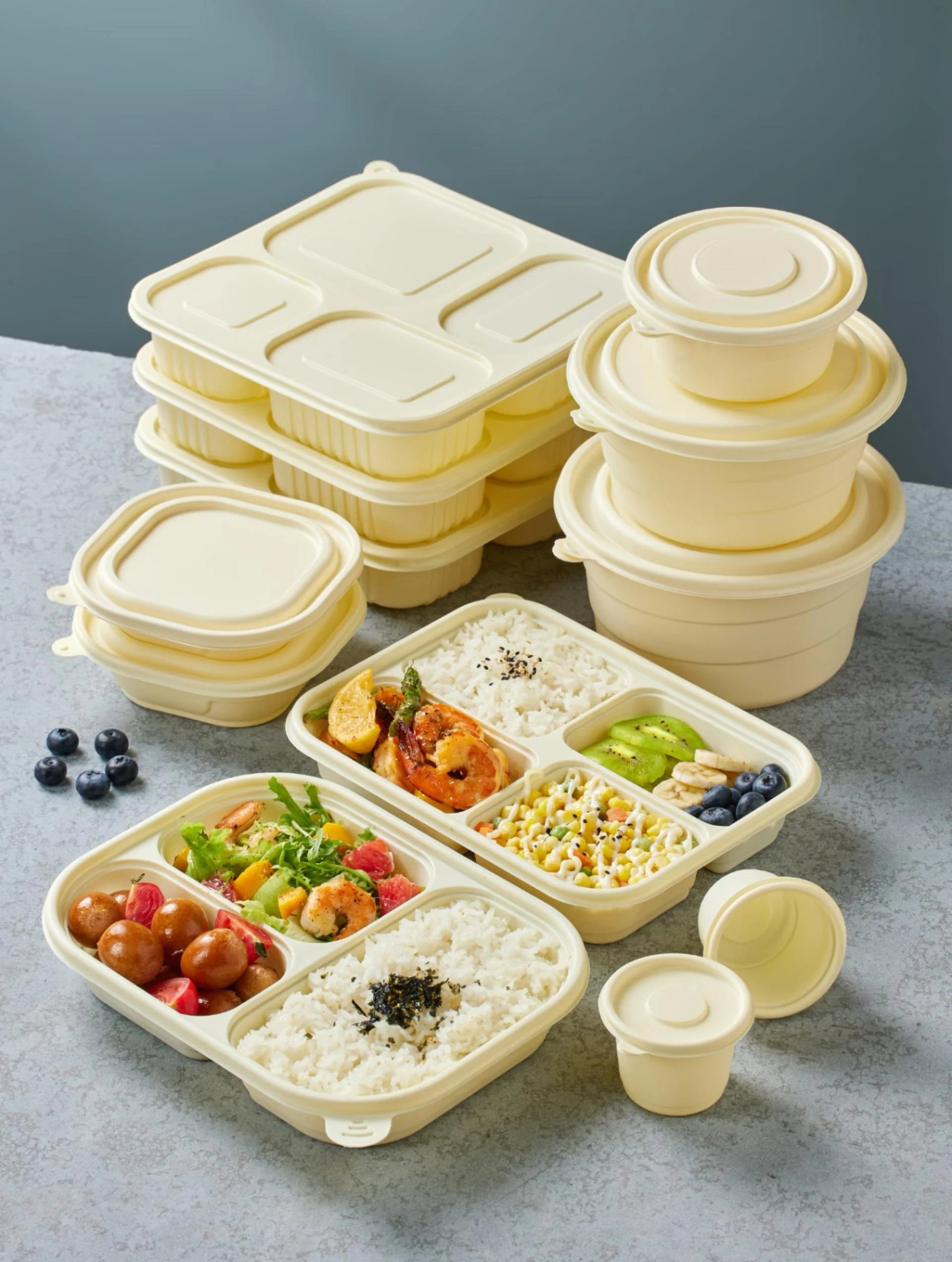
These pulp molding processes result in sturdy, heat-resistant, and compostable food containers suitable for various food service needs.
Environmental Impact: A Greener Alternative to Plastic
Biodegradability and Compostability
One of the most significant advantages of bagasse food containers is their biodegradability. Unlike traditional plastics that can persist in the environment for centuries, bagasse products naturally decompose within 30 to 90 days under composting conditions, returning nutrients to the soil and reducing landfill burden.
Life Cycle Assessment
Comprehensive life cycle assessments (LCA) have demonstrated that bagasse-based packaging materials have a lower environmental footprint compared to conventional plastics. These assessments consider factors such as energy consumption, greenhouse gas emissions, and resource depletion. For instance, a study highlighted that bagasse trays exhibit lower non-renewable energy use and global warming potential compared to polystyrene alternatives.
Reduction in Single-Use Plastic Pollution
The adoption of bagasse food containers contributes to mitigating the pervasive issue of single-use plastic pollution. Traditional plastic packaging often ends up in landfills or oceans, leading to long-term environmental hazards. By replacing plastic with biodegradable bagasse products, the volume of persistent waste is significantly reduced.
Market Trends and Consumer Behavior
Growth of the Bagasse Food Container Market
The global market for bagasse food containers has been experiencing robust growth. Valued at approximately $1.2 billion in 2022, it is projected to reach around $2.5 billion by 2027, reflecting a compound annual growth rate (CAGR) of 12.1%. This surge is driven by increasing environmental awareness and the demand for sustainable packaging solutions.
Adoption by Food Service Industries
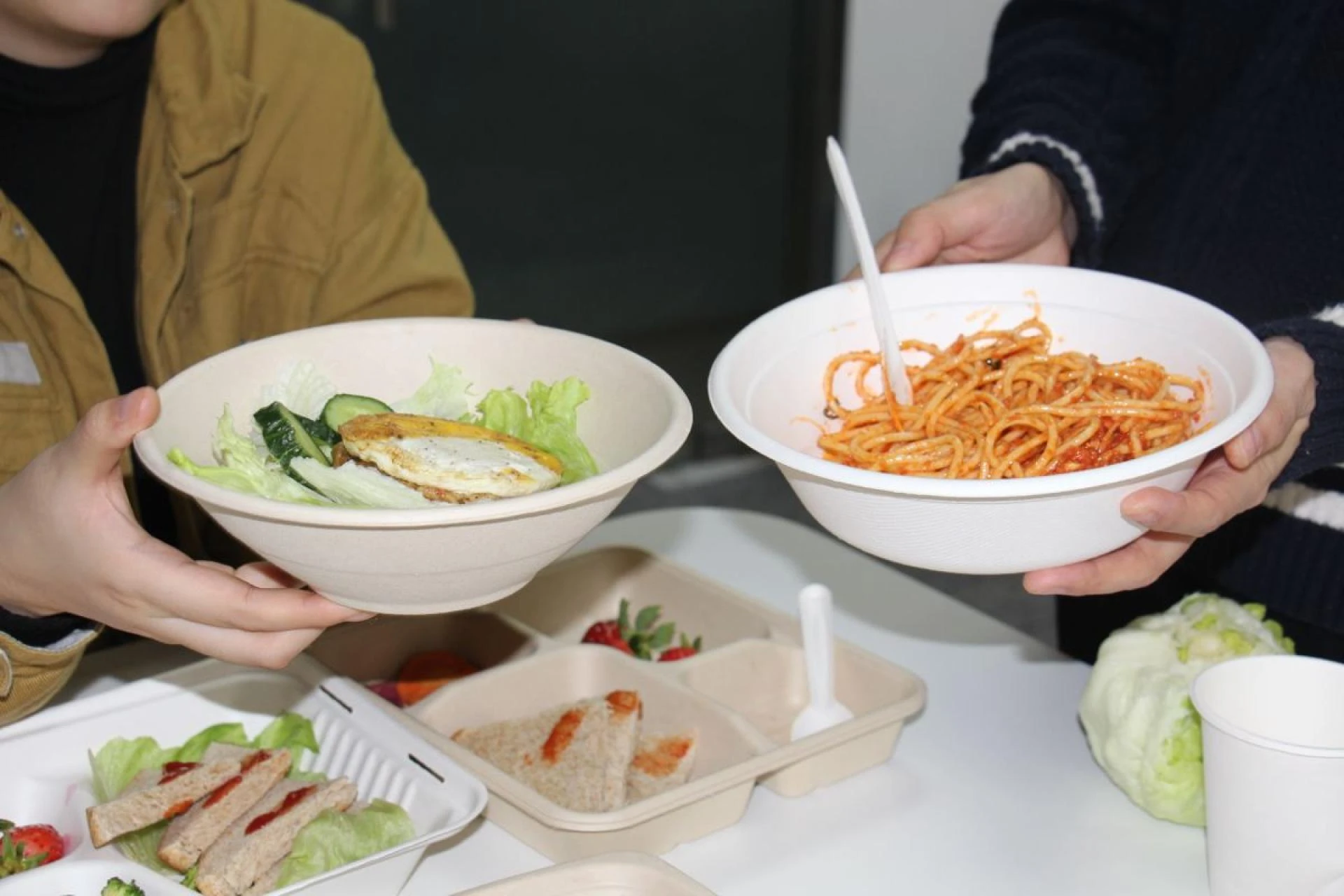
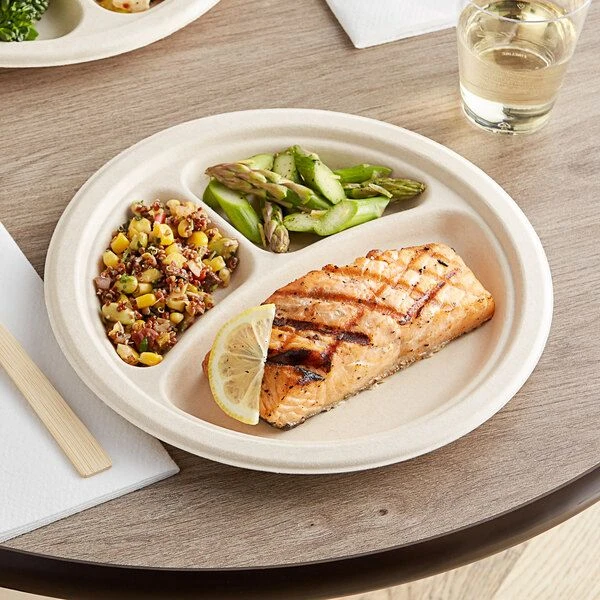
Restaurants, cafes, and catering services are increasingly adopting bagasse tableware products. This shift is attributed to consumer preferences for eco-friendly options and regulatory pressures to reduce plastic usage. The food service segment held the largest share of the bagasse tableware product market in 2023 and is projected to continue growing.
Consumer Preferences
Consumers are becoming more conscious of their environmental footprint, leading to a preference for sustainable products. The biodegradability and compostability of bagasse containers align with the values of eco-conscious consumers, further propelling market growth.
Challenges and Future Prospects
Technical and Economic Challenges
Despite the advantages, challenges such as production costs, scalability, and consumer acceptance persist. Ongoing research aims to optimize processing techniques and material properties to overcome these hurdles.
Future Developments
The future of bagasse food containers looks promising, with potential advancements in material enhancements, cost reduction, and wider adoption across various sectors. Continued innovation and supportive policies are expected to drive the growth of this sustainable packaging solution.
Conclusion
Bagasse food containers represent a sweet spot in sustainable dining, offering environmental benefits without compromising functionality. As the world moves towards eco-friendly alternatives, bagasse stands out as a viable solution to the plastic problem, paving the way for a greener future.








Sign in to leave a comment.