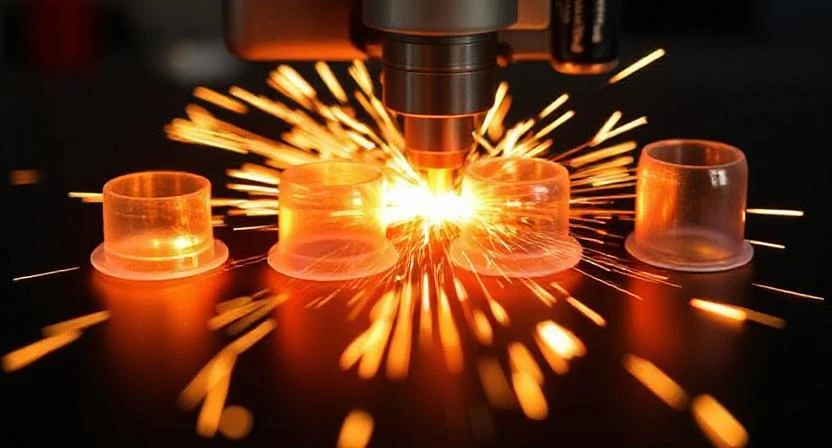

Custom plastic fabrication services provide the flexibility to create parts tailored to exact specifications, whether for industrial, medical, automotive, or consumer applications. By leveraging advanced techniques like CNC machining, thermoforming, welding, and 3D printing, these services deliver innovative solutions that meet stringent performance requirements. This article explores the ins and outs of custom plastic fabrication, its benefits, key applications, and how to choose the right provider.
What Is Custom Plastic Fabrication?
Custom Plastic Fabrication Services involves shaping, cutting, and assembling plastic materials into specialized components based on a customer’s unique design. Unlike mass-produced plastic parts, custom fabrication ensures precise dimensions, material properties, and functional characteristics. Common techniques include CNC machining, laser cutting, injection molding, vacuum forming, and ultrasonic welding. This process is ideal for industries requiring bespoke plastic solutions that standard off-the-shelf products cannot provide.
1. Key Benefits of Custom Plastic Fabrication
Why should businesses opt for custom plastic fabrication over generic alternatives? Here are the top advantages:
- Precision & Customization: Tailored fabrication ensures exact dimensions, tolerances, and functional features for specialized applications.
- Material Versatility: Engineers can choose from a wide range of plastics, including ABS, polycarbonate, PVC, acrylic, and PEEK, each offering unique properties like UV resistance, chemical stability, or high strength.
- Cost-Effective Prototyping & Production: From low-volume prototypes to high-volume manufacturing, custom fabrication scales efficiently without excessive tooling costs.
- Enhanced Durability & Performance: Custom parts are designed to withstand specific environmental conditions, such as extreme temperatures, corrosion, or mechanical stress.
- Design Flexibility: Complex geometries, intricate patterns, and multi-component assemblies are achievable with advanced fabrication techniques.
2. Industries That Rely on Custom Plastic Fabrication
Nearly every sector benefits from custom plastic components. Some of the most prominent industries include:
- Medical & Healthcare: Surgical tools, prosthetics, IV components, and medical device housings require biocompatible, sterilizable plastics.
- Automotive & Aerospace: Lightweight yet durable plastic parts, such as dashboards, interior panels, and protective housings, improve fuel efficiency and safety.
- Electronics & Consumer Goods: Custom enclosures, insulators, and connectors ensure proper insulation and device functionality.
- Construction & Architecture: Plastic panels, roofing materials, and signage benefit from weather-resistant and impact-resistant fabrication.
- Food & Beverage: FDA-compliant plastic components for packaging, processing equipment, and storage solutions.
3. Choosing the Right Custom Plastic Fabrication Partner
Selecting a reliable fabrication service provider is crucial for quality and efficiency. Consider these factors:
- Technical Expertise: Look for a provider with experience in your industry and the specific fabrication methods you need (e.g., CNC machining, welding, thermoforming).
- Material Selection: Ensure they work with the right plastics for your application, whether rigid, flexible, or high-performance polymers.
- Quality Control & Certifications: ISO-certified facilities with rigorous inspection processes guarantee consistent, defect-free parts.
- Prototyping & Scalability: A good provider should offer rapid prototyping and seamless transition to full-scale production.
- Turnaround Time & Cost Efficiency: Compare lead times and pricing models to find a balance between speed and affordability.
4. Emerging Trends in Plastic Fabrication Technology
The plastic fabrication industry is evolving with cutting-edge innovations:
- 3D Printing & Additive Manufacturing: Enables rapid prototyping and complex geometries without traditional tooling constraints.
- Eco-Friendly Plastics: Biodegradable and recycled plastics are gaining traction in sustainable manufacturing.
- Smart Plastics: Integration with embedded sensors and conductive materials for IoT-enabled components.
- Automation & Robotics: Automated cutting, welding, and assembly improve precision and reduce labor costs.
Final Thoughts
Custom plastic fabrication services empower businesses to create high-performance, tailor-made plastic components that meet exact requirements. Whether for prototyping or large-scale production, choosing the right fabrication partner ensures durability, precision, and cost efficiency. As technology advances, the possibilities for custom plastic solutions will continue to expand, driving innovation across industries.













Sign in to leave a comment.