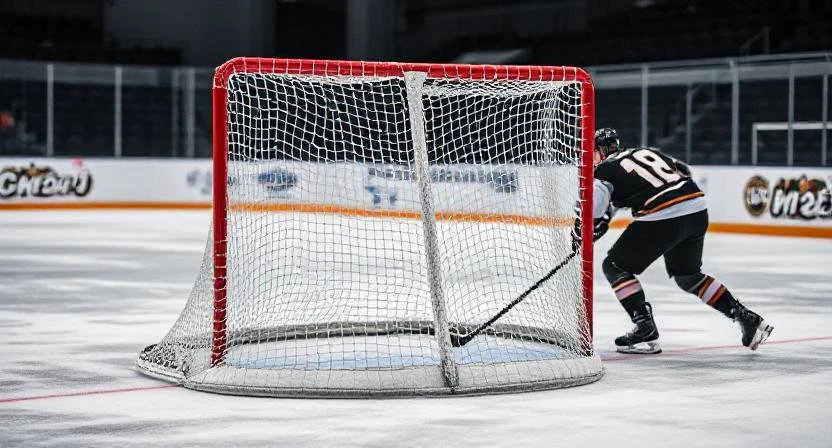

When you think of hockey, the image of a net filled with a puck likely comes to mind. The hockey net is an essential part of the game, serving as the ultimate target for players and the defining structure that separates victory from defeat. But beyond its basic function, the hockey net has an interesting history, evolving designs, and even impacts gameplay strategies. Whether you're a player, coach, or fan, understanding the hockey net’s role can deepen your appreciation for the sport.
The Evolution of the Hockey Net
The hockey net hasn’t always looked the way it does today. From humble beginnings to high-tech designs, its transformation reflects the sport's growth.
Early Hockey Goals: From Posts to Nets
In the early days of hockey, goals were simply marked by two posts without a crossbar or netting. Players had to rely on the referee’s judgment to determine if a goal was scored. By the late 1800s, nets were introduced to eliminate disputes, making it easier to confirm when a puck fully crossed the goal line.
Standardization of Net Dimensions
Modern hockey nets follow strict size regulations. The NHL and IIHF mandate that nets must be 6 feet wide and 4 feet tall, with a depth of about 44 inches. This consistency ensures fairness across all levels of play, from professional leagues to backyard rinks.
Materials and Durability
Early nets were made of wood and natural fibers, which could warp or break. Today’s nets use steel frames and high-density polyethylene (HDPE) netting, designed to withstand powerful shots and harsh weather conditions in outdoor games.













Sign in to leave a comment.