

TL;DR
A squeaky caravan isn’t usually a disaster waiting to happen. Most often, it’s loose bolts, tired suspension, or slightly misaligned parts. Quick inspections, some lubrication, and tightening can fix the noise. If it persists, professional caravan repairs Thomastown can help. And checking maintenance history when browsing used luxury caravans for sale Melbourne is always smart.
Why Does a Caravan Squeak on Bumpy Roads?
Ever hit a pothole or rough patch and hear a groan from the caravan? That creak is often the first sign something underneath isn’t quite right. Local mechanics in Melbourne say nearly half of towing-related service calls involve noises from suspension, chassis, or pivot points.
Think of it like an old door hinge at home: a little squeak is normal, but persistent noise usually signals wear. Road vibrations, uneven loads, and loose bolts all add up over time. Ignore it, and those little squeaks can turn into bigger, expensive problems.
Tip: Pay attention to whether the squeak happens under load or on smooth roads—this gives clues about where to look first.
Could It Be Suspension or Chassis Problems?
Here’s a simple way to check:
- Look at leaf springs or coil suspension for cracks, sagging, or rust.
- Inspect chassis bolts and brackets for looseness.
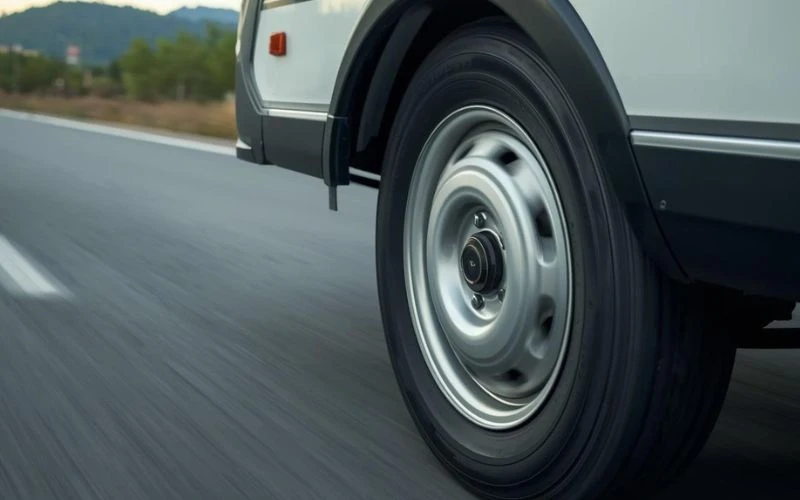
- Spin the wheels and check hubs and bearings for wear or grinding.
Example: A caravan in Werribee started squeaking on country roads. A quick look showed a loose U-bolt on the suspension—tightening it solved the problem completely.
Even smaller parts like shock mounts or sway bars can create loud squeaks if they’re dry or worn.
Can Any Fixes Be Tried at Home?
Some things don’t need a mechanic:
- Lubricate moving parts: Silicone spray or lithium grease works well. Avoid oil-based sprays—they attract dust and dirt.
- Tighten bolts and brackets: Vibrations from travel loosen things over time.
- Check load distribution: Uneven packing can stress suspension and cause noises.
- Inspect tyres and wheel bearings: Sometimes squeaks come from hubs rather than suspension.
Pro tip: Adjust one thing at a time, then test drive slowly to pinpoint the source.
When Should Professionals Step In?
Certain issues are better left to experts:
- Parts of the frame that are broken or bent
- Shocks that are broken or worn
- Chassis pieces that are loose or cracked
- Squeaks all the time after making alterations to the house
Professional services can inspect the undercarriage, replace worn parts, and tune the suspension for a smooth ride.
When thinking about buying, checking the maintenance and service records of used luxury caravans for sale in Melbourne helps ensure the suspension and chassis are in top condition, preventing unexpected issues on the road.
Are Squeaks a Warning Sign of Bigger Problems?
Yes, if ignored:
- Loose suspension bolts can damage mounting brackets.
- Worn shocks or springs reduce towing stability.
- Small squeaks left unchecked can cause metal fatigue over time.
Some new trailers have stronger or self-adjusting suspension, which makes them quieter. It's best to check on older cars often, especially after long trips or rough territory.
How to Keep Caravan Doors Quiet and Smooth
Simple habits make a difference:
- Inspect suspension and chassis every 3–6 months.
- Lubricate pivot points and joints twice a year.
- Tighten bolts after long trips.
- Balance the load evenly inside the caravan.
- Avoid extremely rough terrain without pre-checks.
Bottom Line
Most squeaks are harmless warnings. Paying attention early and doing small maintenance steps keeps caravans safe and quiet.
Quick Checklist:
- Inspect leaf springs, shocks, and brackets
- Lubricate suspension joints
- Tighten bolts and brackets
- Balance load evenly
- Consult pros for persistent issues
- Check maintenance history on used luxury caravans
With these steps, bumpy roads won’t have to come with annoying squeaks—and every trip becomes more enjoyable.













Sign in to leave a comment.