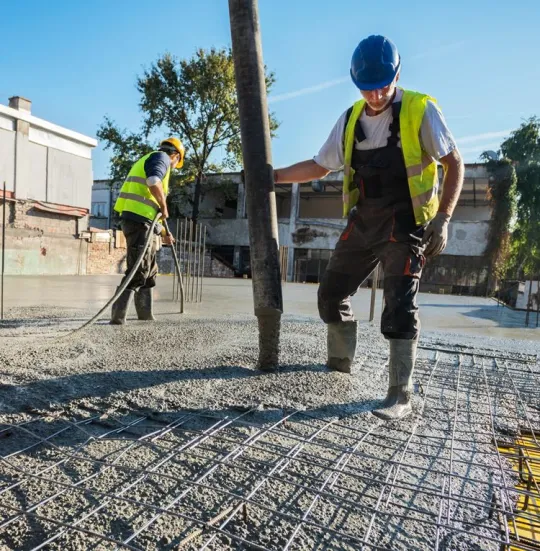

If you work in construction, heavy industry, or on a farm, you know the feeling. It’s that deep ache in your arches at 2:00 PM when you still have hours left on the shift. It’s the split-second of panic when your heel slips on a wet concrete floor.
For hard-working professionals, footwear isn't a fashion statement—it’s a tool. Just like you wouldn't use a wrench that slips or a hammer with a loose head, you shouldn't rely on boots that fail to protect or support you.
The debate often centers on a false choice: do you want boots that are safe, or boots that are comfortable? The reality is that on a demanding job site, you cannot afford to sacrifice one for the other.
The High Cost of Compromise
Ignoring the quality of your work boots can lead to significant consequences. The Bureau of Labor Statistics consistently reports thousands of foot injuries annually that keep workers away from their jobs. These aren't just accidents involving falling objects; they include slips, trips, and long-term stress injuries caused by poor support.
When you compromise on safety, you risk crushed toes from heavy equipment, punctures from sharp debris, or nasty falls on slick surfaces.
When you compromise on comfort, you invite fatigue. Pain is a distraction. When your feet hurt, you adjust your gait, which throws off your knees, hips, and lower back. More dangerously, a distracted worker is a worker who makes mistakes.
This is where brands like Sureway Work Boots are changing the narrative. By combining heavy-duty protection with athletic-inspired ergonomics, they prove that the toughest boots can also be the ones you don't rush to take off the moment you get home.
Safety First: Understanding Your Protection Options
The primary function of a work boot is to act as a shield between your feet and a hazardous environment. Different jobs require different types of armor, and understanding the nuances is key to staying safe.
The Toe Cap Debate: Steel vs. Composite
For decades, the steel toe was the undisputed king of job site safety. It offers maximum protection against compression and impact. If you are working around heavy machinery, rolling pipes, or falling lumber, a Sureway Steel Toe Work Boot acts as a fortress for your toes.
However, modern technology has introduced a formidable rival: the composite toe. Made from non-metal materials like Kevlar, carbon fiber, or plastic, composite toes meet the same safety standards as steel but with distinct advantages. They are lighter, which reduces leg fatigue over thousands of steps. They also don't conduct temperature, meaning your toes won't freeze as quickly in winter or bake in summer. Sureway’s Composite Toe line offers this lightweight protection without sacrificing the crush resistance you need.
Staying Vertical: Slip Resistance
Gravity is a constant threat. Whether you are walking on polished concrete, muddy scaffolding, or oily garage floors, traction is your best friend.
Slip-resistant outsoles are engineered with specific tread patterns and rubber compounds designed to channel fluids away from the sole, gripping the surface underneath. This feature is standard across the Sureway lineup, ensuring that whether you are a mechanic dealing with slick fluids or a landscaper on wet grass, your footing remains secure.
The Ergonomic Revolution: Why Comfort is King
Historically, "breaking in" a pair of boots meant two weeks of blisters and band-aids. That creates a barrier to compliance; if boots hurt, workers won't wear them properly, or they'll switch to safer, less protective sneakers when the foreman isn't looking.
True comfort comes from ergonomics—the science of designing products to fit the people who use them.
Support from the Inside Out
Sureway approaches boot construction with the understanding that a worker’s foot is a complex machine. Their boots feature innovative cushioning systems designed to absorb shock. Every time your heel strikes the ground, a shockwave travels up your leg. Without proper dampening, your joints take a beating.
Supportive insoles and proper arch support are critical here. They distribute your body weight evenly across the foot, preventing pressure points (hot spots) that lead to blisters and pain. This is particularly vital for jobs that require standing in one place for long periods, like assembly line work or flagging traffic.
The Fit Factor
Comfort also means choice in style. Not everyone likes to lace up every morning.
- Moc Toe Boots: These offer a classic look with a higher toe box, providing more wiggle room for your toes, which is excellent for comfort during long shifts.
- Wellingtons and Slip-Ons: For those who need to get up and go, Sureway’s Slip-On Work Boots offer the convenience of laceless entry with the snug ankle fit required for stability. They are particularly popular in agriculture and messy environments where laces just get caked in mud.
Weathering the Elements
Your job doesn't stop when the weather turns, and neither should your gear. Wet feet are more than just an annoyance; moisture softens the skin, making it prone to blistering and fungal infections (like athlete's foot). In freezing temperatures, wet feet are a recipe for frostbite.
Waterproofing is a non-negotiable feature for outdoor work. Sureway integrates waterproof membranes into their leather boots, creating a barrier that stops water from entering while still allowing sweat vapor to escape. This breathability is crucial—keeping water out doesn't help if your feet are swimming in sweat by noon.
Whether you choose an 8-inch logger boot for deep mud or a standard 6-inch boot for general construction, ensuring it has a waterproof rating keeps you focused on the task, not your socks.
Quality and Durability: An Investment, Not an Expense
It is tempting to buy the cheapest boots on the shelf. But cheap boots are expensive in the long run. They fall apart after three months, the soles separate, and the waterproofing fails after the first heavy rain.
Sureway Work Boots are built on a foundation of durability. They utilize top-notch materials, including premium leathers that resist abrasion and tearing. Their professional shoemaking techniques ensure that the sole stays attached to the upper, even under the stress of constant bending, crouching, and climbing.
When you invest in quality, you aren't just buying a product that lasts longer; you are buying the assurance that your safety equipment will actually work when you need it to.





Sign in to leave a comment.