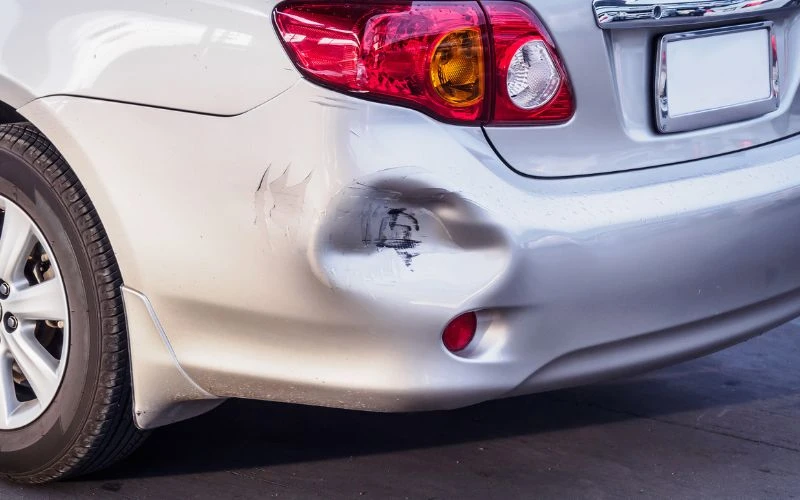

Here’s a surprising stat: in Victoria, extreme weather events have increased significantly over the past decade, with hailstorms causing millions of dollars in vehicle damage each year. If you live around Melbourne’s eastern suburbs, you probably remember at least one storm that left cars looking like golf balls on wheels.
And that’s exactly why buying a used car locally requires more than a glance and a test drive. Small dents might seem harmless. Meanwhile, hidden structural damage can cost thousands later.
Think of it like this: you’re not just buying a car—you’re buying its history. Let’s run “The Dent Test” with five smart, practical questions you should ask before handing over your money.
1. Has This Car Ever Been Through a Hailstorm?
It sounds obvious, but many buyers forget to ask directly.
Melbourne’s unpredictable weather means hail damage is common—especially in suburbs like Burwood and surrounding areas where cars are often parked outdoors. Even minor hail can affect resale value and long-term durability.
What to do:
Ask the seller directly: “Has this vehicle had hail damage repairs in Burwood or elsewhere?”
Request repair invoices or insurance documentation.
Check the car history report for insurance claims.
Inspect the roof, bonnet, and boot under natural sunlight (not in a dim garage).
Interestingly, hail dents are often most visible at an angle. Crouch slightly and look along the surface of the panel. Small ripples will reveal themselves quickly.
2. Were Any Repairs Cosmetic… or Structural?
Not all dents are created equal.
A shallow surface ding? Probably fine.
A repaired panel hiding poorly aligned metal? That’s a red flag.
After major hail damage repair in Melbourne, reputable repairers use paintless dent repair (PDR) techniques that preserve the factory finish. Poor repairs, on the other hand, may involve excessive filler or mismatched paint.
Step-by-step check:
- Run your hand lightly over repaired panels.
- Look for uneven paint texture or overspray near trims.
- Check panel gaps—are they symmetrical?
- Use a small magnet on metal panels; weak attraction may indicate filler.
If something feels “off,” it probably is.
3. Is the Price Reflecting the Damage History?
Here’s where logic beats emotion.
According to Australian automotive market data, vehicles with recorded hail damage can sell for 10–30% less than comparable undamaged models. That’s not necessarily bad—if you’re paying the right price.
An easy way to evaluate:
- Compare the asking price with similar cars on local marketplaces.
- Deduct value if repairs were significant.
- Factor in potential future resale difficulty.
Meanwhile, if the seller claims the car is “as good as new” but it was recently involved in major hail damage repairs in Burwood, ask why it’s being sold so soon.
The math should make sense.
4. Has the Paint Been Refinished or Replaced?
Fresh paint can look shiny and flawless. But shine doesn’t equal quality.
Repainting after hail damage repair services can be done professionally. However, poor blending leads to mismatched tones, peeling, or fading over time—especially under Australia’s harsh sun.
How to check paint quality:
- Inspect the car in daylight.
- Compare colour consistency across panels.
- Look inside door frames and under seals for overspray.
- Check for tiny bubbles or cracking (early signs of poor prep work).
Think of it like a bandage: a good repair blends seamlessly. A bad one sticks out.
5. Would a Professional Inspection Confirm the Repairs?
Here’s the truth: mechanics don’t get emotionally attached to shiny paint.
Spending $200–$300 on a pre-purchase inspection can save you thousands. A licensed hail damage repair specialist in Melbourne can:
- Check structural integrity
- Scan for hidden frame damage
- Confirm airbag deployment history
- Identify poorly repaired hail dents
Interestingly, many buyers skip this step because the car “looks fine.” But cosmetic repairs can mask deeper issues, especially after severe storms.
In Melbourne’s used car market, due diligence isn’t optional—it’s smart buying.
Bonus Tip: Where You Buy Matters
Private seller? Dealer? Auction?
Each comes with different consumer protections. Dealers in Victoria must provide statutory warranties on eligible vehicles. Private sales don’t offer the same safety net.
Conclusion: Your 5-Point Used Car Dent Checklist
Before you sign anything, run through this quick checklist:
✔ Ask directly about hailstorm exposure
✔ Review repair documentation and insurance claims
✔ Inspect panels in natural light
✔ Compare pricing against undamaged vehicles
✔ Get a professional pre-purchase inspection
Buying a used car in Melbourne doesn’t have to feel risky. It just requires curiosity—and the right questions.
Meanwhile, remember: a few tiny dents aren’t always a dealbreaker. Hidden shortcuts are.
Ask smart. Inspect carefully. And treat every shiny bonnet with healthy scepticism.











Sign in to leave a comment.