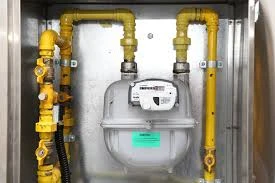

With its widespread applications in residential, commercial, and industrial sectors, the need for accurate measurement and management of LPG consumption has become paramount. LPG gas meters play a crucial role in ensuring precise billing, resource conservation, and safety. This article explores the evolution, significance, and technological advancements in LPG gas meters, shedding light on their vital role in modern energy management.
**1. The Emergence of LPG Gas Meters
LPG, a byproduct of oil refining and natural gas processing, gained prominence as a clean and efficient energy source. As its use expanded across various sectors, the necessity for accurate measurement of LPG consumption became evident. This led to the development of LPG gas meters, which accurately measure the quantity of gas consumed, enabling precise billing and efficient resource management.
2. Importance in Residential Sector
In the residential sector, LPG gas meters are integral to fair billing and cost-effective energy use. Traditional energy sources are being replaced by LPG due to its environmental advantages and affordability. Gas meters enable consumers to monitor their usage and adopt energy-saving practices, ultimately reducing their carbon footprint and utility bills.
3. Significance in Commercial and Industrial Sectors
In commercial and industrial settings, LPG gas meters serve a dual purpose: accurate measurement for billing and optimization of energy-intensive processes. These sectors often require large quantities of LPG, making precise measurement crucial for cost allocation and resource planning. Advanced gas metering systems allow real-time monitoring, enabling prompt response to leaks or irregularities, thus enhancing safety.
4. Evolution of LPG Gas Meter Technology
The evolution of LPG gas meter technology has been remarkable. Traditional diaphragm and rotary meters have given way to more advanced designs, such as turbine meters and ultrasonic meters. Turbine meters use the flow of gas to rotate a turbine, generating a signal that is proportional to the gas volume. Ultrasonic meters utilize sound waves to measure gas flow, providing high accuracy and reduced maintenance requirements.
5. Smart LPG Gas Meters
The advent of the Internet of Things (IoT) has revolutionized energy management, and LPG gas meters are no exception. Smart gas meters are equipped with communication capabilities that enable real-time data transmission to central servers. This data can be accessed by consumers and energy providers, allowing for remote monitoring, instant leak detection, and predictive maintenance. The integration of smart meters into smart home systems empowers consumers to actively manage their energy consumption.
6. Environmental Impact and Safety
Accurate LPG gas metering contributes to environmental sustainability by discouraging wasteful usage and encouraging energy-efficient practices. Additionally, precise measurement aids in the timely detection of leaks or abnormalities, enhancing safety and preventing potential hazards.
7. Challenges and Future Outlook
Despite the benefits, challenges remain in implementing LPG gas meters universally. Infrastructure limitations, initial costs, and data privacy concerns are hurdles that need to be addressed. However, with ongoing technological advancements, these challenges are expected to diminish over time.
8. Conclusion
LPG gas meters have evolved from basic measurement tools to sophisticated devices with IoT capabilities, transforming the way energy consumption is managed in various sectors. Their significance in accurate billing, resource conservation, and safety cannot be overstated. As technology continues to advance, the integration of smart gas meters into broader energy management systems will likely become the norm, ensuring a more sustainable and efficient energy future.












Sign in to leave a comment.