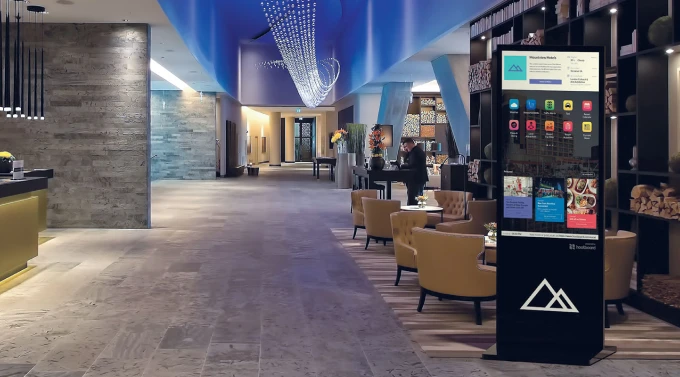

In the dynamic and ever-evolving landscape of the hospitality industry, hotels constantly seek innovative ways to enhance guest experiences and streamline operations. One of the most promising advancements in recent years is the implementation of digital signage. As technology continues to revolutionize various sectors, digital signage is emerging as a pivotal tool in transforming the hospitality industry. This essay explores the multifaceted benefits, applications, and future potential of digital signage in hotels.
Enhancing Guest Experience
Digital signage significantly elevates the guest experience by offering personalized, engaging, and interactive content. From the moment guests step into the hotel lobby, they are greeted by digital displays that provide a modern and welcoming atmosphere. These displays can be used to showcase personalized welcome messages, real-time information about hotel amenities, weather updates, and local attractions, thus making the guests feel valued and informed.
Personalization and Engagement:
One of the primary advantages of digital signage is its ability to deliver personalized content. By integrating with guest management systems, digital signage can display tailored messages and recommendations based on guest preferences and behaviors. For example, a family visiting a hotel may see recommendations for family-friendly activities and dining options, while a business traveler might receive information about conference facilities and nearby business centers.
Interactive Touchscreens:
Interactive digital kiosks and touchscreens in hotel lobbies and public areas provide guests with a self-service option to explore hotel services, check-in and check-out, book spa appointments, order room service, and find directions within the hotel. This not only enhances the guest experience by providing convenience but also reduces wait times and alleviates the workload of the hotel staff.
Operational Efficiency
Digital signage contributes to the operational efficiency of hotels by automating information dissemination and reducing the reliance on traditional print materials. This shift not only saves costs but also ensures that information is consistently up-to-date.
Real-Time Information:
Digital signage allows hotels to convey real-time information seamlessly. For instance, digital displays can provide real-time updates on flight schedules, local events, weather conditions, and emergency alerts. This is particularly beneficial in enhancing guest satisfaction and ensuring they are well-informed throughout their stay.
Event and Meeting Management:
For hotels with conference and event facilities, digital signage software simplifies event management. Interactive event boards and digital door signs can display event schedules, room assignments, and wayfinding information, helping attendees navigate the venue with ease. This enhances the professional image of the hotel and ensures that events run smoothly.
Marketing and Revenue Generation
Digital signage opens up new avenues for marketing and revenue generation in the hospitality industry. By leveraging dynamic and visually appealing content, hotels can promote their services and drive additional revenue.
Promotions and Upselling:
Hotels can use digital signage to promote on-site amenities such as restaurants, bars, spas, and fitness centers. By displaying enticing visuals and special offers, hotels can encourage guests to take advantage of these services, thereby increasing revenue. For example, a digital display near the hotel restaurant can showcase the daily menu or highlight special discounts during off-peak hours.
Advertising Partnerships:
Hotels can partner with local businesses and attractions to display advertisements on their digital signage platforms. This not only provides valuable information to guests but also creates a new revenue stream for the hotel through advertising fees.
Sustainability and Cost Savings
The shift from traditional print materials to digital signage also aligns with sustainability initiatives and cost-saving measures within the hospitality industry.
Environmental Impact:
Reducing the reliance on printed materials such as brochures, flyers, and posters significantly lowers the hotel’s carbon footprint. Digital signage contributes to a more sustainable operation by minimizing paper waste and the resources required for printing and distribution.
Cost Efficiency:
While the initial investment in digital signage infrastructure may be substantial, the long-term cost savings are significant. Digital displays eliminate the need for continuous printing and reprinting of materials, and updates can be made instantly without incurring additional costs. Over time, this translates to substantial savings in both materials and labor.
Future Trends and Innovations
As digital signage technology continues to evolve, several emerging trends and innovations are set to further transform the hospitality industry.
Artificial Intelligence and Analytics:
The integration of artificial intelligence (AI) and data analytics with digital signage systems enables hotels to gather valuable insights into guest behavior and preferences. AI-driven content management systems can analyze data in real-time to optimize the content displayed, ensuring it resonates with guests and enhances their experience. Additionally, predictive analytics can help hotels anticipate guest needs and personalize their stay even further.
Augmented Reality (AR) and Virtual Reality (VR):
Augmented and virtual reality technologies offer immersive experiences that can be integrated with digital signage. AR can provide interactive wayfinding solutions and virtual tours of hotel facilities, while VR can offer guests a preview of hotel rooms and amenities before booking. These technologies enhance the guest experience by providing an engaging and interactive way to explore the hotel.
Voice-Activated Displays:
Voice-activated digital signage is another emerging trend that enhances accessibility and convenience for guests. By integrating voice recognition technology, guests can interact with digital displays using simple voice commands, making it easier to access information and services without physical touch.
Cloud-Based Solutions:
Cloud-based digital signage solutions offer flexibility and scalability for hotels. These systems allow for centralized content management and remote updates, ensuring consistency across multiple locations. Cloud-based platforms also facilitate the integration of various data sources, enabling real-time content updates and streamlined operations.
Challenges and Considerations
While digital signage presents numerous benefits, hotels must address certain challenges and considerations to ensure successful implementation.
Initial Investment and Maintenance:
The upfront cost of digital signage hardware, software, and installation can be a significant investment for hotels. Additionally, regular maintenance and updates are required to ensure optimal performance and security. Hotels must weigh these costs against the long-term benefits and potential return on investment.
Content Management:
Effective content management is crucial for maximizing the impact of digital signage. Hotels need to develop a comprehensive content strategy that includes regularly updated and engaging content. This may require dedicated staff or partnerships with content providers to ensure that the displays remain relevant and appealing.
Guest Privacy:
The use of personalized content and data analytics raises concerns about guest privacy. Hotels must implement robust data protection measures and ensure compliance with privacy regulations to safeguard guest information and maintain trust.
Conclusion
Digital signage is poised to revolutionize the hospitality industry by enhancing guest experiences, improving operational efficiency, and creating new opportunities for marketing and revenue generation. As technology continues to advance, the integration of AI, AR, VR, and cloud-based solutions will further elevate the capabilities of digital signage in hotels. While there are challenges to consider, the long-term benefits and potential for innovation make digital signage a crucial component of the future of hospitality. Hotels that embrace this technology will be well-positioned to meet the evolving needs and expectations of their guests in an increasingly digital world.

Sign in to leave a comment.