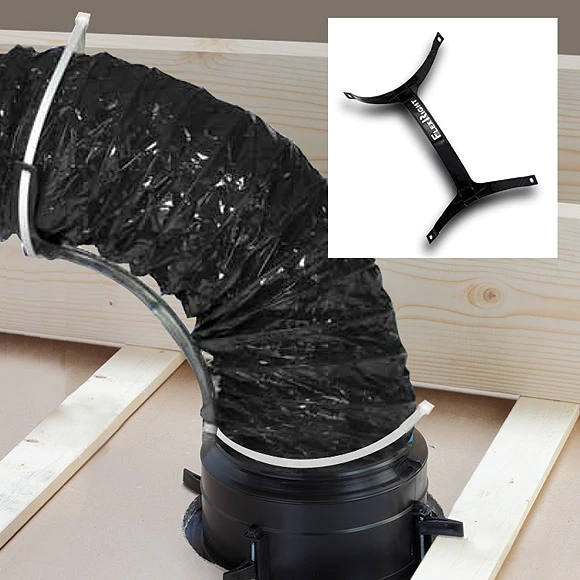

Flexible duct elbow supports play a crucial role in HVAC system installations, particularly when accommodating structural differences within buildings. These systems are often required to bend around corners, walls, or other obstacles that can vary from one installation site to another.
In such cases, flexible duct support solutions offer the necessary flexibility to ensure a secure, efficient, and safe installation. This blog delves into how these supports contribute to an easier installation process by addressing structural challenges.
Adapting to Unique Structural Needs
Every building has its own set of unique structural features, such as varying ceiling heights, walls, and support beams. When installing a flexible duct system, these structural variances can create obstacles. Instead of attempting to force a rigid system to fit into the available space, flexible duct support solutions allow for easy adjustments to match the building’s layout.
The ability to accommodate these structural differences is especially important in buildings with complex or non-standard designs. Whether dealing with angled ceilings, narrow hallways, or irregular spaces, duct elbow supports provide a customizable solution to ensure the system fits perfectly. These supports are designed to work seamlessly with flexible ducts, making it easier for installers to navigate tight or awkward areas without compromising performance.
Enhanced Durability and Stability
Another significant benefit of using flexible duct elbow supports is the enhanced durability and stability they provide. In HVAC installations, maintaining the integrity of the ductwork is essential to avoid leaks, air flow disruption, or unnecessary wear over time. The duct elbow supports help to maintain the position of the ducts, preventing sagging, kinking, or shifting that could otherwise impact the system’s performance.
With the right flexible duct support, the system remains stable even when exposed to vibrations, thermal expansion, or other environmental factors. These supports work to secure the duct in place, ensuring that it functions optimally throughout its lifespan. Additionally, by providing additional support to the elbows, the likelihood of damage due to bending or stress is significantly reduced.
Simplifying the Installation Process
Flexible duct elbow supports simplify the installation process, saving time and effort. They are designed to make the installation process smoother by ensuring that duct elbows remain secure and correctly positioned. This flexibility means that installers do not need to make extensive modifications to the building structure or duct system to achieve a proper fit.
Flexible ducts with supports can be easily adjusted and repositioned to accommodate structural differences. The ability to quickly and easily adjust the system reduces the complexity of installation and allows for a more efficient workflow.
Ensuring Proper Alignment and Air Flow
Maintaining proper alignment in HVAC systems is crucial to ensuring efficient airflow. Poorly aligned ducts can lead to air leakage, reduced efficiency, and higher energy consumption. Flexible duct elbow supports help maintain the alignment of the ductwork, preventing unnecessary bends or angles that could obstruct airflow.
By keeping the ducts aligned, these supports help the system deliver the desired airflow with minimal resistance. This ensures that air is efficiently circulated throughout the building, leading to improved comfort and energy efficiency. A well-aligned duct system is essential for optimizing the overall performance of the HVAC system.
Conclusion
Flexible duct elbow supports are indispensable for overcoming the challenges posed by structural differences in buildings. By offering the necessary support and flexibility, they ensure that HVAC systems are installed smoothly, securely, and efficiently.
These supports provide installers with the ability to adapt the ductwork to the specific needs of the building, ensuring optimal airflow and durability. Whether dealing with tight spaces, irregular angles, or unusual layouts, flexible duct support systems make it easier to navigate these challenges while maintaining the functionality and longevity of the system.











Sign in to leave a comment.