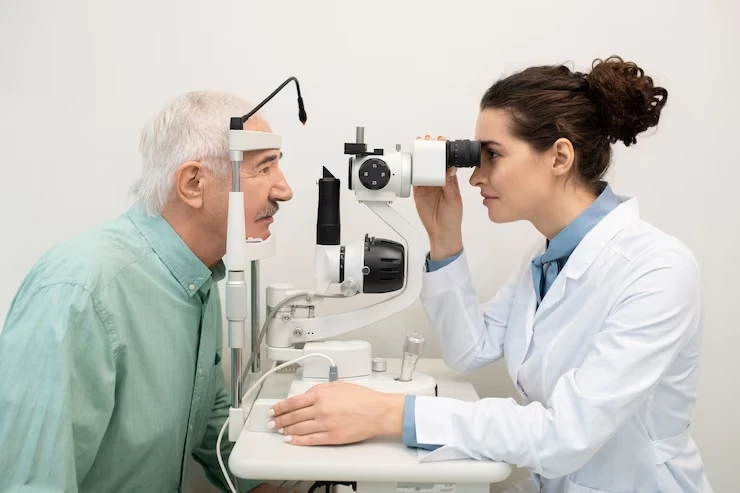

In the bustling community of Temple Terrace, residents are often focused on work, family, and daily responsibilities, but one essential aspect of health that often gets overlooked is vision care. More specifically, regular eye exams play a critical role in the early detection and prevention of serious eye conditions, including retinal detachment in Temple Terrace. This condition, if left untreated, can lead to permanent vision loss. Understanding the risks and taking preventive measures can save your sight.
What is Retinal Detachment?
Retinal detachment occurs when the retina — the thin layer of tissue at the back of the eye — becomes separated from its normal position. The retina is responsible for sending visual signals to the brain. When it detaches, it can no longer function properly, leading to partial or complete loss of vision in the affected eye.
There are several types of retinal detachment:
- Rhegmatogenous: The most common form, caused by a tear or break in the retina.
- Tractional: Caused by scar tissue pulling the retina away from the back of the eye.
- Exudative: Resulting from fluid buildup beneath the retina without any tears or breaks.
Each type can progress quickly, making early detection crucial.
Why Retinal Detachment is a Serious Concern
Retinal detachment is considered a medical emergency. Once the retina is detached, cells begin to degenerate due to a lack of oxygen and nutrients. If not treated within hours or a few days, the damage can become irreversible. While surgical interventions such as pneumatic retinopexy, scleral buckling, or vitrectomy can repair a detached retina, the best outcomes come when the detachment is caught early — often during a routine eye exam.
Risk Factors for Retinal Detachment
Several factors can increase your risk for retinal detachment:
- Aging: People over 50 are more likely to experience changes in the vitreous (gel-like substance inside the eye) that can lead to retinal tears.
- High Myopia (Nearsightedness): Thinner retinas in nearsighted individuals are more prone to tearing.
- Previous Eye Surgeries: Especially cataract removal.
- Eye Trauma: Blunt or penetrating injuries can cause detachment.
- Family History: Genetics can play a role.
- Other Eye Diseases: Such as diabetic retinopathy or inflammatory disorders.
For residents in Temple Terrace, these risk factors can be effectively managed and monitored with regular eye checkups.
Symptoms to Watch For
While retinal detachment may occur without warning, many people notice symptoms before complete detachment occurs. These include:
- Sudden appearance or increase of floaters (tiny specks or cobwebs drifting in your vision)
- Flashes of light in one or both eyes
- A shadow or curtain effect descending over a portion of the visual field
- Blurred or distorted vision
If you experience any of these symptoms, you should contact an eye care professional in Temple Terrace immediately.
The Role of Regular Eye Exams
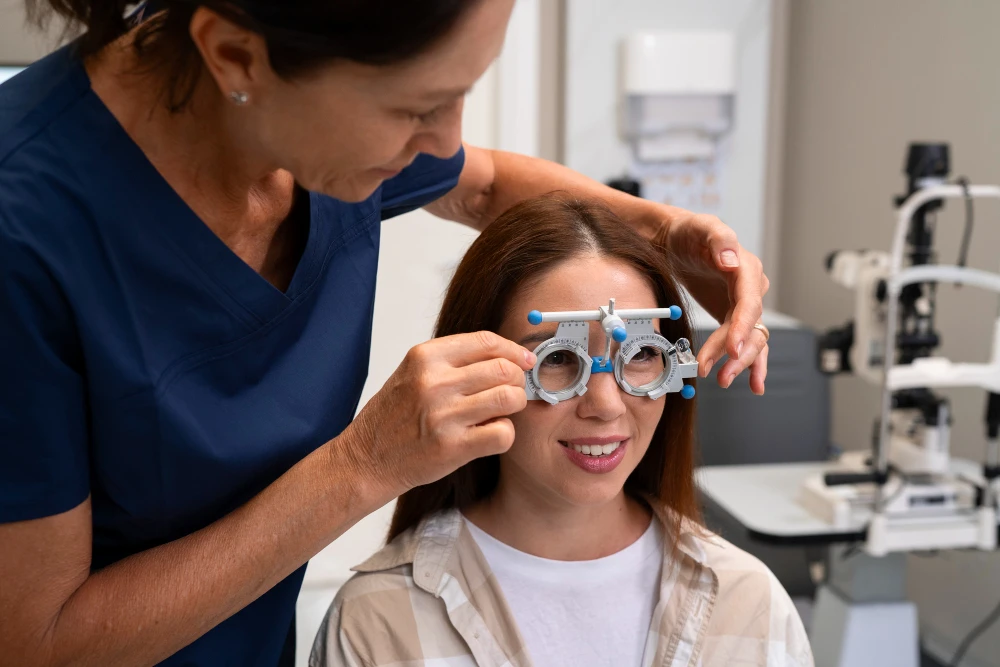
Routine eye exams are the first line of defense in preventing retinal detachment. These comprehensive evaluations allow eye care providers to:
- Detect early signs of retinal thinning or tears
- Monitor existing risk factors, such as high myopia
- Track changes in the vitreous that could signal an increased risk
- Educate patients on symptoms and emergency response
Most experts recommend a comprehensive eye exam:
- Every 1–2 years for adults under 60 without vision problems
- Annually for those over 60 or with risk factors
- More frequently if there’s a personal or family history of eye conditions
In Temple Terrace, local optometrists and ophthalmologists use advanced diagnostic tools such as optical coherence tomography (OCT) and retinal imaging to identify even the smallest signs of retinal stress or damage.
Community Health and Access in Temple Terrace
Temple Terrace offers a range of healthcare services, but awareness around vision health remains crucial. While many residents seek eye exams only when they experience noticeable vision issues, preventive visits are essential. Regular screenings not only detect retinal detachment but also uncover other silent threats like glaucoma, macular degeneration, and diabetic retinopathy.
Local health campaigns, school vision screenings, and senior outreach programs can help spread awareness. Families should also prioritize pediatric eye exams to identify potential issues early, especially in children with genetic risk factors or developmental concerns.
Preventive Tips for Protecting Your Retina
In addition to regular eye exams, here are a few ways you can help protect your retinal health:
- Wear Protective Eyewear: During sports or hazardous work, protect your eyes from trauma.
- Manage Chronic Conditions: Keep conditions like diabetes and high blood pressure under control.
- Use Proper Lighting: Reduce eye strain by working in well-lit environments.
- Follow a Healthy Diet: Nutrients like lutein, zeaxanthin, and omega-3s support retinal health.
- Avoid Eye Rubbing: Particularly important if you have thin or damaged retinas.
- Know Your Family History: Share this information with your eye care provider.
What to Expect During a Retinal Exam
A retinal exam typically includes:
- Dilated Eye Exam: Special drops are used to widen the pupil, allowing better visibility of the retina.
- Fundus Photography: Captures images of the back of your eye.
- OCT Scanning: Provides cross-sectional views of the retina.
- Visual Field Testing: Checks for blind spots or areas of reduced vision.
These procedures are non-invasive and generally take less than an hour, but their impact on your long-term vision can be life-changing.
Treatment Options if Detachment Occurs
If a tear or detachment is discovered, treatment depends on the severity and location:
- Laser Therapy (Photocoagulation): Seals small tears to prevent fluid leakage.
- Cryopexy: Freezing treatment to close retinal breaks.
- Surgery: More advanced cases may require procedures like scleral buckling or vitrectomy.
The sooner treatment begins, the greater the chance of restoring normal vision or minimizing permanent loss.
Conclusion: Prioritize Vision Health in Temple Terrace
Retinal detachment is a serious, vision-threatening condition — but it is also highly preventable with the right care. By staying informed and scheduling regular eye exams, residents can greatly reduce their risk of retinal detachment in Temple Terrace. Whether you're managing chronic eye conditions or simply ensuring long-term eye health, proactive vision care is a cornerstone of overall well-being.
Don’t wait for symptoms to appear. Book a comprehensive eye exam today and take the first step toward protecting your sight for years to come.











Sign in to leave a comment.