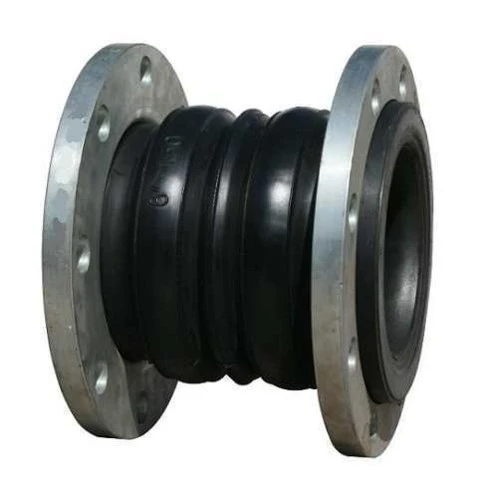

When it comes to industrial piping systems, small components often do big jobs. One such component is the rubber expansion joint a flexible connector installed in pipes to absorb movement, reduce stress, and protect equipment from damage caused by thermal expansion, vibration, and pressure fluctuations.
While they may seem simple at a glance, choosing the right rubber expansion joint involves more than just matching the size and shape. Two of the most critical factors to consider are temperature and pressure ratings.
Let’s break down why these ratings matter and what can go wrong when they’re overlooked.
Why Temperature Ratings Matter
Every rubber material has a temperature range within which it can safely operate. Rubber expansion joints exposed to temperatures beyond their rated limits can degrade quickly, losing their elasticity, cracking, or even melting in extreme cases. This is especially important in industries like power generation, chemical processing, HVAC, and petrochemicals, where high or fluctuating temperatures are part of day-to-day operations.
For example, an EPDM rubber joint may perform well in hot water or steam lines with temperatures up to 120°C, but it wouldn’t hold up in an application involving hot oil or aggressive chemicals at higher temperatures. On the other hand, silicone rubber, while excellent at handling heat (up to 200–230°C), may not be compatible with certain chemicals. That’s why selecting the right material and understanding its temperature tolerance is crucial.
Ignoring temperature ratings doesn’t just shorten the lifespan of the joint; it can lead to system failure, leaks, safety risks, and costly downtime.
The Role of Pressure Ratings
Just like temperature, pressure is another force that rubber expansion joints must contend with. When fluid or gas moves through a piping system, it creates internal pressure. Expansion joints must be strong enough to handle this pressure without bulging, bursting, or becoming dislodged.
Each joint is designed to withstand a certain maximum allowable working pressure (MAWP).
Exceeding this rating can cause the joint to swell, tear, or even rupture especially if the system also experiences temperature extremes or mechanical stresses like vibration.
It's also important to factor in pressure surges or spikes short bursts of pressure that can happen when a valve suddenly closes or a pump starts up. While the normal operating pressure might be within limits, repeated surges can wear out a joint much faster than expected. In some cases, additional safety accessories like control rods or retaining rings are installed to prevent over-extension and protect the joint under high-pressure conditions.
Balancing Both for Long-Term Reliability
Temperature and pressure ratings aren't just numbers on a spec sheet they are key indicators of how well a rubber expansion joint will perform in a specific application. Overlooking these can lead to expensive repairs, system shutdowns, or even safety hazards.
That’s why it’s important to work with a knowledgeable rubber expansion joint supplier or manufacturer who can guide you in choosing the right product for your exact needs. Factors such as the type of media flowing through the system (water, steam, chemicals, oil, etc.), ambient conditions, and the presence of vibration or movement should all be considered alongside temperature and pressure requirements.
In Conclusion
Rubber expansion joints may be small components in a larger system, but they play a vital role in maintaining performance, safety, and longevity. Choosing the right one means understanding and respecting its temperature and pressure limits.
So, next time you're specifying or replacing an expansion joint, take a moment to look beyond just the size or price. Check the temperature and pressure ratings carefully. It’s a small step that can make a big difference in ensuring the smooth, safe, and efficient operation of your entire system.











Sign in to leave a comment.