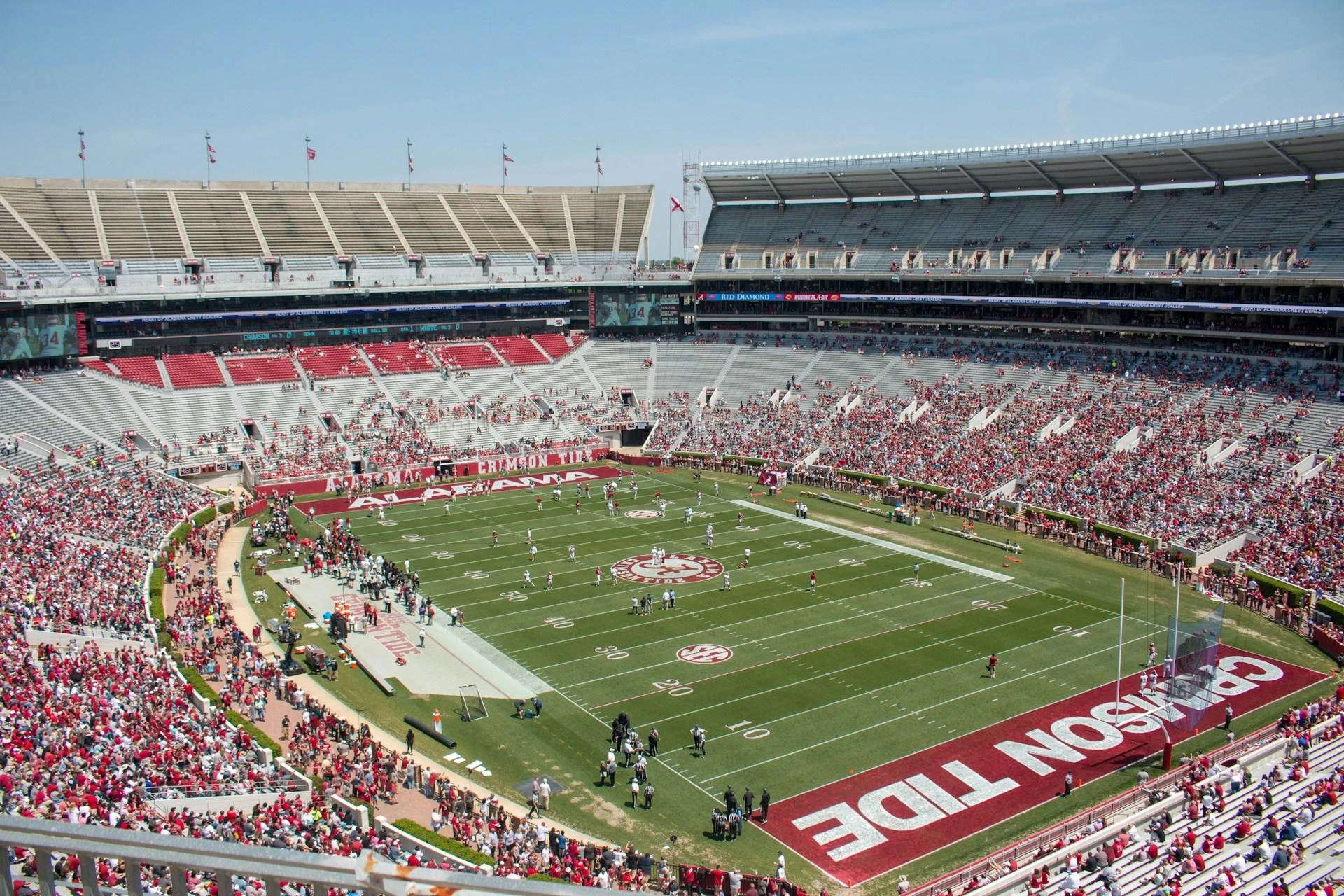

Fantasy football—a hobby that transforms passive fans into armchair coaches—has never been more popular. Thousands of new players are signing up to craft their dream teams on online platforms, spurred on by the exciting story lines unfolding both on and off the field.
Football card collecting has seen a similar resurgence in the past few years. Collectors are jumping back in to experiment with new releases, especially as licenses for some of the biggest leagues are set to change hands in 2025.
There’s an exciting intersection forming between these two hobbies. If you’re a sports fan, it’s worth learning about how fantasy football influences the sports card market—and vice versa—in unprecedented ways.
Is Fantasy Football Driving Card Values?
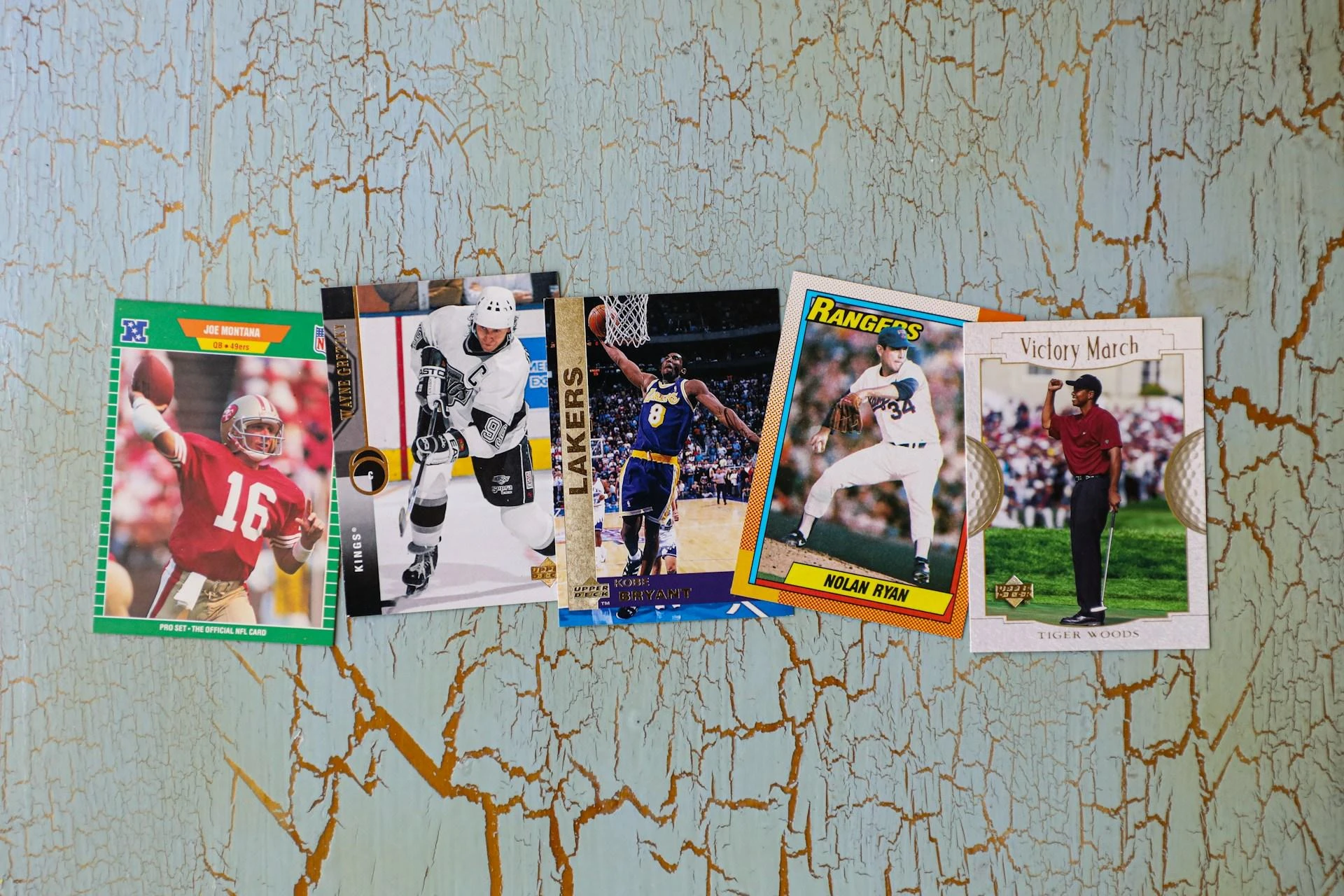
Photo by Mick Haupt on Unsplash
More than you might realize. The days of card value being solely dictated by past achievements and rookie hype are fading. Fantasy football, focusing on current performance and statistical dominance, has become a powerful barometer for assessing players in the market. Let’s unpack this phenomenon.
- Common Fanbases: If you were to create a Venn diagram of people who like collecting sports cards and playing fantasy football, you’d notice a lot of overlap between the two. This overlap plays a major role in the intersection of these two hobbies.
- Building Hype: Fantasy football, card collecting, and sports cards in general, are all about narratives. Sleeper picks and breakout rookies generate immense excitement and speculation within the fantasy football community. Everyone wants to be the person who drafted Patrick Mahomes or Jayden Daniels before they hit the big leagues. This hype naturally flows over into card collecting. There’s no better way to show you believe in your fantasy team than an auto football rookie card. Frequent fantasy draft picks like Tyreek Hill will generally also have rookie cards that are consistently valuable.
- Vice-Versa: The reverse is equally true here. While stats like average points per game or games missed due to injuries are the dominant factors in fantasy football, public sentiment does play a role in player valuations. An underperforming player might still be valued highly in fantasy drafts if they’re a fan favorite.
- Aaron Jones is a good example of this trend, with many fantasy leagues giving him double-digit projections despite a record of frequent injuries.
ADP: Correlation vs. Causation
Average Draft Position (ADP) is a cornerstone statistic for fantasy football players. This stat offers valuable insights into a player's perceived potential and, by extension, can theoretically influence their card values. The question remains: is this influence significant for collectors, or is it a case of correlation vs. causation?
Putting a Price on Performance
Player performance plays an undeniable role in sports card valuations. You only have to look at Justin Herbert’s incredible rookie season performance despite being a late (sixth-round) pick in the 2020 draft. Herbert’s Prizm Silver rookie card value started at around $20 and jumped to over $250 by the end of his first season.
Since ADP is a measure of performance, it can naturally also help collectors zero in on potential star picks that they might have missed. A player with a high ADP is more likely to be picked earlier on in the draft.
Consider CeeDee Lamb and Tyreek Hill. These high ADP players sit comfortably at the top of most fantasy ranking lists, and their rookie card valuations are just as impressive. CeeDee Lamb’s 2020 rookie card can sell for over $4,500, while Tyreek Hill’s 2016 rookie card went for as much as $9,100. Christian McCaffrey, the next player in the top four, sees his rookie cards priced as high as $5,000.
A Perfect Metric?
ADP is a useful way to estimate card prices, but it does have its flaws.
- High Variability: ADP is driven by fantasy football scoring systems, which may not always align with a player's overall value or real-world impact. A player who excels in categories that are heavily weighted in fantasy (receptions and touchdowns) might have a high ADP, even if their overall contribution to their team is less significant. ADP rankings for each individual player can also vary greatly from one fantasy league to the next. Ranking platforms like Yahoo! Fantasy Sports and Sleeper use their own unique algorithms to arrive at a value.
- Bias: ADP can be heavily influenced by preseason hype, media narratives, and recent performances. A player coming off a strong finish to the previous season might see their ADP inflated, even if their underlying skills or team situation suggests regression is likely.
- Performance Lag: There’s a notable lag between a player’s real-time performance on the field and the change in their ADP rankings. A player with a ton of injuries during the season might still hold their pre-season ranking for a while despite not playing much.
They’re not perfect, but fantasy football metrics can still be a useful tool for card collectors who want to identify breakout players with high potential.
Fantasy Football x Card Collecting: The Future
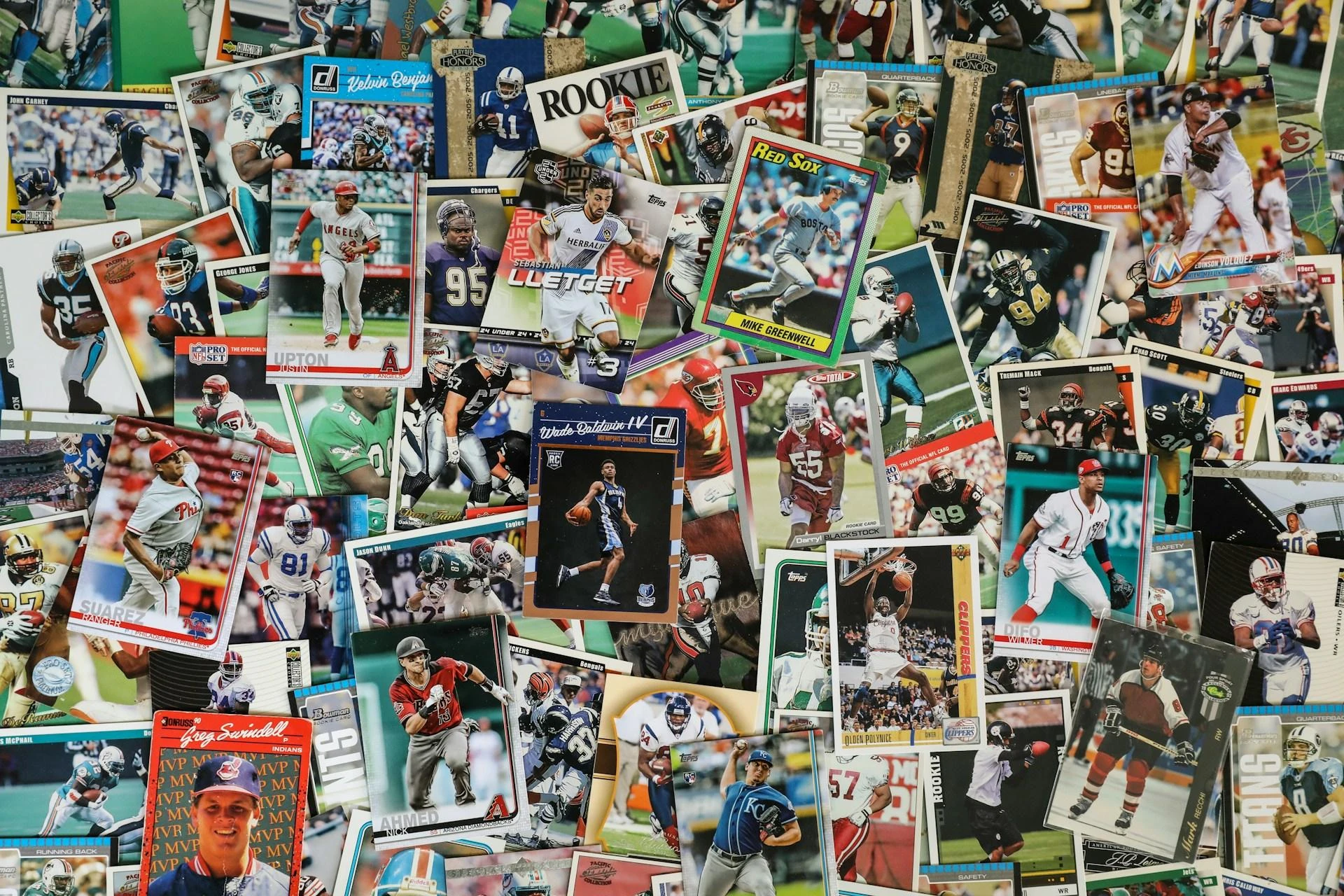
Photo by Mick Haupt on Unsplash
More Speciality Cards/Sets
Traditional football cards will often feature seasonal stats on the back. It’s possible we might see more frequent special edition cards highlighting star fantasy drafts, including a mention of their fantasy points.
Note we’ve already seen the release of specialty sets geared specifically towards fantasy football fans, such as the Panini Prizm Draft Picks hobby boxes. This line-up focuses on the most promising players featured in the NFL Draft Class.
Digital Collectibles
Fantasy football is a natural fit for the digital collectibles market. NFTs have (understandably) taken a backseat this past year, but we might see a future resurgence of football card-themed collectibles that can be integrated with your fantasy football team. This all depends on how quickly the market can be regulated and made safe for the average collector.
The State of the Field
The current intersection of fantasy football and card collecting is an absolute gift to any active football fan. That said, manufacturers like Topps and Panini will have to focus on specialty releases and collaborate with fantasy leagues to help this niche space reach its full potential. If both hobbies continue to grow at this rate, we might just see fantasy league-related QR codes on the next set of hobby boxes.















Sign in to leave a comment.