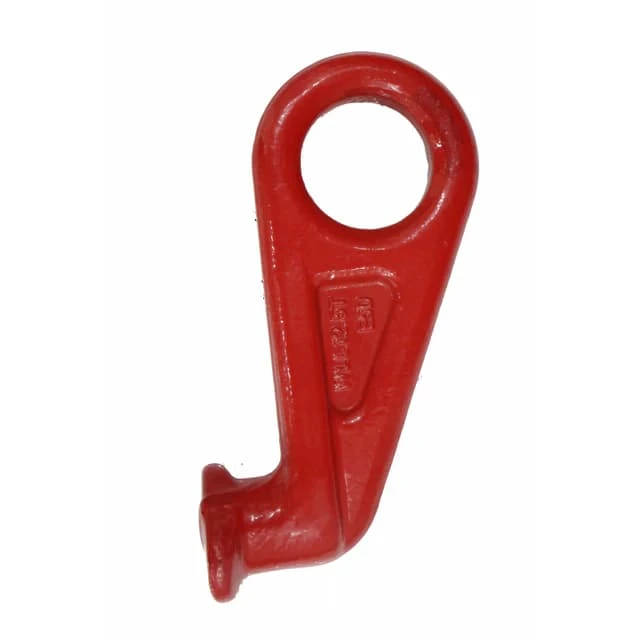

When handling heavy or bulky cargo, especially in shipping and logistics, ensuring that the load remains secure throughout the lifting and transport process is crucial. Container lifting lugs are indispensable tools that play a significant role in safeguarding cargo from damage during loading, unloading, and transit. Designed to be a secure connection point for lifting machinery, these lugs help distribute weight evenly, reduce stress on containers, and enhance the overall safety of the cargo.
In this article, we will explore the importance of container lifting lugs in preventing cargo damage, highlighting their design, applications, benefits, and best practices for usage. By understanding the role of these lifting lugs, companies can make informed decisions about their lifting operations, improving both safety and efficiency.
What Are Container Lifting Lugs?
Defining Container Lifting Lugs
Container lifting lugs are metal components attached to containers, designed specifically for lifting, hoisting, and securing the container during handling. These lugs are typically located at the corners or edges of containers, offering an attachment point for cranes, forklifts, or other lifting equipment. Lifting lugs come in various shapes and sizes to accommodate different lifting methods, and they can be either fixed or detachable, depending on the design and intended use of the container.
While lifting lugs are often associated with large shipping containers, they can also be used for various types of cargo, including industrial goods and materials that require secure and stable lifting.
Purpose and Functionality
The primary purpose of container lifting lugs is to facilitate safe and efficient lifting of cargo. When properly installed and used, lifting lugs help distribute the load evenly across the container, minimizing the risk of damage during the lifting process. Lifting lugs also reduce the potential for shifting or tipping during transport, ensuring that the cargo remains stable.
By providing a secure attachment point, container lifting lugs make it easier for lifting equipment to handle large and heavy loads, reducing the likelihood of accidents or malfunctions that could lead to damage.
How Container Lifting Lugs Prevent Cargo Damage
Even Load Distribution
One of the key advantages of container lifting lugs is their ability to evenly distribute the load across the container. When lifting a heavy cargo container, if the weight is not evenly distributed, certain points on the container may experience excessive stress. This uneven distribution can lead to structural damage, such as cracks, dents, or bending of the container walls.
By providing multiple lifting points, lifting lugs help ensure that the weight is evenly spread out, which reduces the risk of localized stress and potential damage. This even load distribution is especially crucial when dealing with large, heavy, or irregularly shaped cargo that may be difficult to balance.
Enhanced Stability During Lifting
The use of container lifting lugs also enhances the stability of the cargo during the lifting process. When lifting a container, there is always a risk that it could shift or tilt, especially if it is loaded unevenly or improperly secured. Lifting lugs help mitigate this risk by ensuring that the container is properly supported at multiple points, preventing any dangerous tilting or swaying.
Stability is essential, particularly in situations where containers are being lifted high above the ground or are being transferred from one mode of transport to another. With lifting lugs, the container is less likely to become unbalanced, which reduces the risk of damage to both the cargo and the surrounding environment.
Protection from Impact and Wear
Container lifting lugs are designed to withstand the forces exerted during lifting, but they also help protect the container itself from damage caused by impact or friction. In some cases, containers may be dropped or come into contact with other objects during the lifting process. Lifting lugs are strategically positioned to absorb some of the shock from these impacts, protecting the container from unnecessary wear and tear.
In addition, lifting lugs help to prevent damage caused by the lifting equipment itself. For example, when lifting with a crane, the equipment’s hooks or slings can cause scratches or dents if not properly positioned. By providing a dedicated and secure attachment point, lifting lugs reduce the risk of damage from mishandling or improper lifting techniques.
Types of Container Lifting Lugs
Fixed Lifting Lugs
Fixed container lifting lugs are permanently attached to the container and cannot be removed once installed. These lugs are designed for containers that are used regularly in lifting operations. Fixed lugs are typically welded or bolted onto the container's structure, providing a strong and secure attachment point for lifting equipment.
The advantage of fixed lifting lugs is their durability and reliability. Since they are permanently attached, they are less likely to become dislodged or damaged during operation, ensuring that the container remains secure at all times.
Detachable Lifting Lugs
Detachable container lifting lugs offer more flexibility in lifting operations. These lugs can be removed when not in use, which can be particularly beneficial for containers that are used infrequently or for specialized lifting tasks. Detachable lugs typically feature a locking mechanism that ensures they stay securely in place during use but can be removed when necessary.
The benefit of detachable lugs is their versatility. They allow for easier transport and storage of containers, especially when lifting equipment is not available or required. However, detachable lugs may require more frequent maintenance and inspections to ensure that they remain in good working condition.
Best Practices for Using Container Lifting Lugs
Regular Inspection
To ensure that container lifting lugs remain effective in preventing cargo damage, it is essential to regularly inspect them for wear and tear. Over time, the lugs can become damaged due to the stresses of repeated lifting operations. Cracks, corrosion, or signs of wear on the lugs can compromise their ability to safely support the container during lifting.
Before each use, inspect the lifting lugs for any visible damage. Check that the lugs are securely attached to the container and that the locking mechanisms (for detachable lugs) are functioning correctly. If any issues are identified, replace or repair the lugs before using the container.
Proper Lifting Techniques
Using container lifting lugs properly is essential for preventing damage to both the cargo and the container. It is important to use lifting equipment that is compatible with the lugs and to ensure that the load is evenly distributed during lifting. Avoid lifting the container in a way that could cause it to tilt or shift unexpectedly.
If using cranes, forklifts, or other machinery to lift the container, ensure that the lifting slings or hooks are securely attached to the lugs. Avoid any sudden or jerky movements during lifting, as this can create excessive strain on the container and its contents.
Matching Lifting Lugs to the Container Type
Not all containers are designed to handle the same type of lifting lug. Different containers may require different lug configurations, depending on their size, weight, and design. When choosing container lifting lugs, it is important to select lugs that are appropriate for the specific container type and lifting operation.
Consult with engineers or lifting specialists to ensure that the correct type of lifting lug is used for the specific container. Using mismatched lugs or improperly designed lifting points can lead to structural damage to the container or cargo.
Conclusion
Container lifting lugs play a crucial role in preventing cargo damage during the lifting and transport process. They ensure that weight is evenly distributed, enhance the stability of the load, and protect the container from wear and impact. By selecting the appropriate type of lifting lug and following best practices for usage and maintenance, companies can ensure that their lifting operations are safe and efficient, minimizing the risk of damage to valuable cargo.
For more information on container lifting lugs and other lifting equipment, UK Lifting Store offers a wide range of products to help meet your lifting needs.










Sign in to leave a comment.