
Eucalyptus trees are iconic symbols of Australia’s natural landscape, valued for their beauty, shade, timber, and ecological importance. But in recent years, a tiny but destructive pest has become a growing concern: lace bugs. These sap-sucking insects may be small, but their impact on eucalyptus trees can be devastating, leading to leaf damage, reduced growth, and even long-term decline.
For homeowners, councils, and land managers, understanding lace bugs and knowing how to control them is critical to protecting these beloved trees.
What Are Lace Bugs?
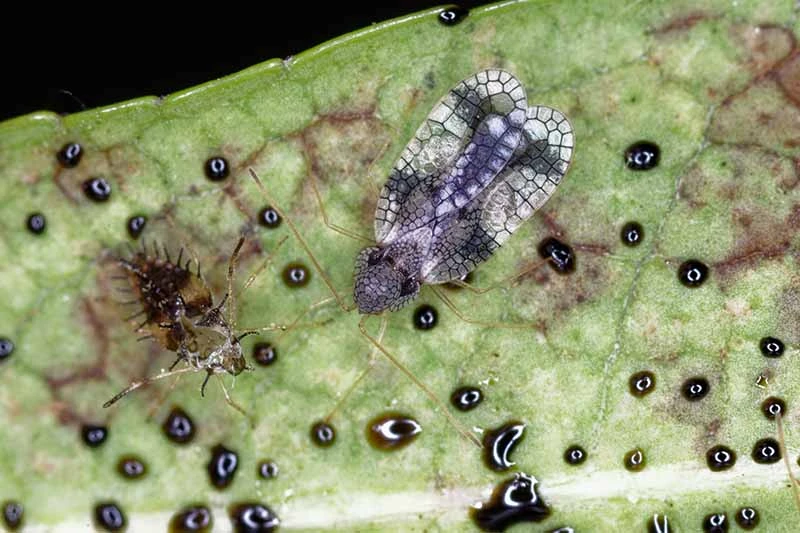
Lace bugs (family Tingidae) are small insects named for the delicate, lace-like pattern of their wings and thorax. While there are many species worldwide, several target eucalyptus trees, such as Corythucha spp. and other native lace bugs.
Adult lace bugs are usually 2–5 millimetres long and feed on the underside of leaves. Their life cycle includes eggs, nymphs, and adults, with multiple generations produced each year in warmer climates. This rapid reproduction makes infestations difficult to manage without early intervention.
How Lace Bugs Damage Eucalyptus Trees
Lace bugs feed by piercing leaf tissues and sucking out sap. While this may seem minor at first glance, the cumulative damage across thousands of insects can cause significant stress to eucalyptus trees. Their feeding results in:
- Leaf Discolouration: Leaves develop yellow or silvery stippling, reducing photosynthesis.
- Leaf Drop: Severe infestations cause premature defoliation, weakening the tree.
- Honeydew and Sooty Mould: Lace bugs excrete sugary waste that promotes fungal growth, further stressing the tree.
- Reduced Growth: Affected trees struggle to produce new shoots and may lose vigour.
When left untreated, chronic infestations weaken eucalyptus trees, making them more susceptible to secondary pests and diseases. Over time, this leads to gradual decline and even tree death.
Signs of Lace Bug Infestation
Identifying lace bug problems early is crucial for effective management. Key signs include:
- Speckled or Stippled Leaves: Tiny yellow or pale spots on leaves, especially on the upper surface.
- Dark Excrement Spots: Tiny black varnish-like dots on the undersides of leaves, a tell-tale sign of lace bug feeding.
- Presence of Insects: Nymphs and adults, visible with a hand lens, clustered on leaf undersides.
- Leaf Shedding: Noticeable premature leaf drop during the growing season.
- Sooty Mould Growth: Black fungal deposits on leaves caused by honeydew secretion.
Regular inspections, especially in spring and summer, can help catch infestations before they spiral out of control.
Why Lace Bugs Contribute to Eucalyptus Decline
Lace bugs don’t typically kill eucalyptus trees outright, but they play a significant role in long-term decline. Here’s why:
- Cumulative Stress: Repeated defoliation and reduced photosynthesis weaken the tree year after year.
- Secondary Infections: Stressed trees are more prone to fungal pathogens and other pests like borers.
- Drought Vulnerability: With reduced leaf function, trees cannot cope effectively with environmental stressors such as drought or heatwaves.
- Urban Pressure: In cities, eucalyptus trees already face limited root space, pollution, and compacted soils. Lace bug infestations add another layer of stress.
This combination of factors explains why lace bugs are increasingly linked to eucalyptus decline in both natural and urban landscapes.
How to Control Lace Bugs on Eucalyptus Trees
Controlling lace bugs requires a strategic approach that combines monitoring, cultural practices, biological control, and—when necessary—chemical treatments. Tree disease experts and arborists typically recommend an Integrated Pest Management (IPM) strategy.
1. Monitoring and Early Detection
- Conduct regular inspections, focusing on leaf undersides.
- Use magnification to spot eggs, nymphs, or adults early in the season.
- Track changes in leaf colour and canopy density over time.
Early detection allows for targeted treatments before populations explode.
2. Cultural Practices
- Water and Fertilisation: Keeping eucalyptus trees healthy makes them more resilient. Proper irrigation and soil management reduce stress.
- Pruning: Remove heavily infested branches where practical. This reduces pest populations and improves airflow.
- Avoid Overcrowding: In plantations or urban areas, maintaining proper spacing between trees reduces the spread of infestations.
3. Biological Control
Several natural predators and parasites feed on lace bugs, including:
- Ladybird beetles
- Green lacewings
- Predatory mites
- Parasitic wasps
Encouraging biodiversity in the landscape helps keep lace bug populations in check. Avoid broad-spectrum insecticides that may kill beneficial predators.
4. Chemical Control
In cases of severe infestation, professional arborists may recommend insecticide treatments. Options include:
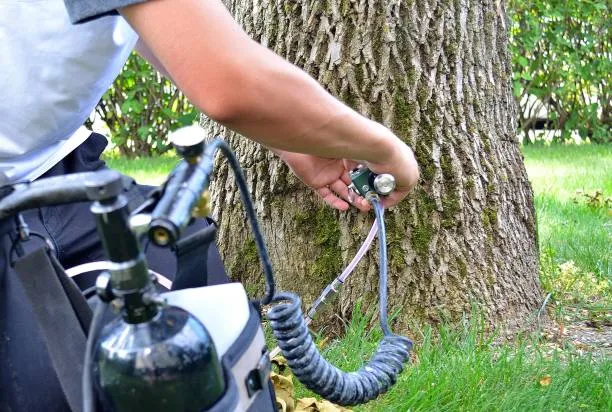
- Systemic Insecticides: Applied via trunk injections or soil drenches, protecting the tree from within.
- Targeted Sprays: Contact insecticides aimed at nymphs and adults on leaf undersides.
Because eucalyptus trees are often large and located in sensitive environments, chemical applications should only be performed by certified professionals to ensure safety and effectiveness.
5. Long-Term Integrated Management
Since lace bugs reproduce rapidly, one-off treatments are rarely enough. Sustainable control involves a combination of preventive care, ongoing monitoring, and targeted interventions as needed.
When to Call a Tree Disease Expert
While minor infestations may go unnoticed, chronic lace bug problems require expert help. A certified arborist or tree health specialist can:
- Accurately diagnose the pest and assess tree health.
- Implement safe and effective treatments.
- Provide guidance on soil, watering, and pruning practices.
- Develop a long-term management plan tailored to your property.
DIY sprays and quick fixes may seem appealing, but they rarely address the root cause and often harm beneficial insects. Professional intervention ensures a balance between pest control and environmental care.
Preventing Future Infestations
To reduce the likelihood of lace bug problems:
- Schedule annual tree health assessments with a qualified arborist.
- Maintain good tree hygiene, removing leaf litter and fallen branches where pests can overwinter.
- Promote beneficial insect populations by planting diverse, native vegetation.
- Ensure trees are well-watered during dry seasons, as stressed trees are more vulnerable.
Proactive care not only prevents lace bug infestations but also strengthens trees against other pests and diseases.
Conclusion
Lace bugs may be tiny, but their role in eucalyptus tree decline is significant. By feeding on leaves, reducing photosynthesis, and stressing trees over time, they contribute to long-term weakening and vulnerability. Fortunately, with the right knowledge and professional support, lace bug infestations can be managed effectively.
An integrated approach—combining monitoring, cultural care, biological controls, and professional treatments—offers the best chance of saving eucalyptus trees and preserving their place in both natural and urban landscapes.
If you suspect lace bugs are affecting your eucalyptus trees, don’t wait for decline to set in.
Contact a tree disease expert who can provide the care and treatments needed to restore health and vitality. Protecting these iconic trees today ensures they continue to thrive for generations to come.











Sign in to leave a comment.