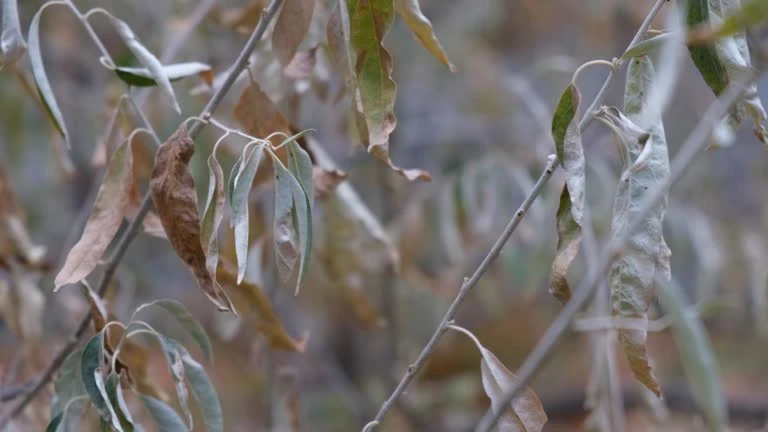

Eucalyptus trees are an iconic part of Australia’s landscape. Valued for their beauty, resilience, and ecological benefits, they’re found in bushlands, urban streetscapes, and backyards across the country. But even these hardy natives aren’t immune to health problems. One of the biggest threats comes from leaf diseases—issues that can cause discolouration, defoliation, and, in severe cases, the death of the tree.
While many leaf diseases are caused by fungi, bacteria, or pests, the underlying factor that often determines a tree’s resilience is soil health. Healthy soil not only nourishes the tree but also strengthens its natural defences against disease.
Understanding Eucalyptus Leaf Diseases
Eucalyptus leaf diseases can be triggered by a variety of pathogens and environmental stresses. Some of the most common include:
- Myrtle Rust – Caused by the fungus Austropuccinia psidii, this disease produces bright yellow spores on young leaves, shoots, and stems.
- Leaf Spot Diseases – Fungal infections such as Kirramyces species create dark, irregular spots that can merge and cause large sections of leaf tissue to die.
- Powdery Mildew – Appears as a white, powdery coating on leaves, reducing photosynthesis and stunting growth.
- Leaf Blight – Often caused by Teredinomyces fungi, leading to browning and premature leaf drop.
- Nutrient Deficiency-Related Disorders – Not technically infectious but can mimic disease symptoms, making the tree more vulnerable.
While these diseases have different causes, trees growing in poor soil conditions are more susceptible because they lack the resources to fight off infection.
Why Soil Health Matters for Eucalyptus Trees
Soil is more than just dirt—it’s a living ecosystem teeming with microorganisms, organic matter, and minerals. For eucalyptus trees, healthy soil provides:
1. Nutrients for Growth
Nitrogen, phosphorus, potassium, and trace elements are essential for strong leaves, healthy bark, and vigorous root systems.
2. Water Retention and Drainage Balance
Eucalyptus trees generally prefer well-drained soil. Poor drainage can lead to root rot, while overly sandy soil can cause drought stress.
3. Beneficial Microorganisms
Healthy soil supports fungi and bacteria that help break down organic matter and suppress harmful pathogens.
4. Optimal pH Levels
Eucalyptus species often thrive in slightly acidic soils (pH 5.5–6.5). If the pH is too high or too low, nutrient uptake becomes inefficient.
When soil health is compromised—due to compaction, nutrient depletion, contamination, or erosion—the tree’s immune system weakens. This makes it easier for leaf diseases to take hold and spread.
How Poor Soil Health Contributes to Leaf Diseases
1. Nutrient Deficiencies
A lack of essential nutrients can cause leaves to yellow, curl, or drop prematurely. These symptoms reduce the tree’s ability to photosynthesise, leaving it energy-deficient and more prone to infection.
2. Soil Compaction
When soil becomes densely packed, root growth is restricted, and oxygen levels decrease. Compacted soils also retain too much water, creating conditions that encourage fungal growth.
3. Imbalanced pH
If the soil is too acidic or alkaline, eucalyptus trees can’t effectively absorb nutrients, even if those nutrients are present.
4. Poor Microbial Diversity
Healthy soil contains beneficial microbes that outcompete or suppress harmful pathogens. Overuse of chemical fertilisers or pesticides can harm these good organisms.
The Link Between Soil Stress and Disease Susceptibility
Trees under soil-related stress have fewer resources for maintaining their defences. A stressed eucalyptus tree may:
- Produce fewer defensive chemicals (like tannins) that deter pathogens
- Struggle to replace damaged leaves quickly
- Exhibit delayed wound healing on stems and branches
In this weakened state, even a mild fungal or bacterial attack can cause significant damage.
How to Assess Soil Health for Eucalyptus Trees
Tree care professionals and arborists often begin with a soil test to assess nutrient levels, pH, and organic matter content. They may also check:
- Soil texture (clay, loam, sand)
- Drainage rates
- Presence of compacted layers
- Signs of erosion or contamination
These assessments help identify whether soil amendments or structural changes are needed.
Improving Soil Health to Prevent Eucalyptus Leaf Diseases
1. Regular Mulching
Mulch conserves soil moisture, regulates temperature, and adds organic matter as it breaks down. For eucalyptus trees, use coarse organic mulch and keep it a few centimetres away from the trunk to prevent rot.
2. Balanced Fertilisation
Avoid over-fertilising, which can cause nutrient imbalances. Instead, apply slow-release, low-phosphorus fertilisers suitable for native plants.
3. pH Correction
If the soil is too acidic or alkaline, amendments like lime (to raise pH) or sulphur (to lower pH) can restore balance.
4. Improve Drainage
For waterlogged soils, install drainage systems or create raised planting areas to prevent root diseases.
5. Reduce Compaction
Aerating the soil can help improve root penetration and oxygen availability.
6. Encourage Beneficial Microorganisms
Incorporate compost or microbial inoculants to promote soil biodiversity.
Preventive Care Practices for Healthy Eucalyptus Trees
Soil health is just one piece of the puzzle. For long-term prevention of leaf diseases:
- Water Deeply but Infrequently – Encourages deep root growth and drought resilience.
- Prune Appropriately – Remove diseased or overcrowded branches to improve airflow.
- Avoid Wounding the Tree – Mechanical injuries can be entry points for pathogens.
- Monitor Regularly – Early detection of leaf diseases allows for faster treatment.
When to Seek Professional Help
If your eucalyptus tree shows persistent signs of leaf disease despite good soil care—such as yellowing, spotting, or defoliation—it’s best to consult a certified arborist or tree disease specialist. They can perform advanced soil analysis, recommend targeted treatments, and identify any environmental stressors contributing to the problem.
The Bottom Line
Healthy soil is the foundation of a healthy eucalyptus tree. By maintaining balanced nutrients, proper pH, good drainage, and a thriving community of beneficial microorganisms, you can significantly reduce the risk of leaf diseases. Preventing disease through soil management is not only more sustainable but also more cost-effective than treating advanced infections.
Whether you’re managing a single backyard gum tree or an entire stand of eucalyptus, prioritising soil health will ensure these iconic trees continue to thrive for generations.












Sign in to leave a comment.