

Open banking has revolutionized the way financial data and services are accessed, shared, and leveraged. By allowing third-party providers to interact directly with bank accounts through APIs, open banking has unlocked a new era of innovation. But with innovation comes responsibility—especially in terms of security and fraud prevention. That’s where Verification of Payee (VoP) plays a pivotal role.
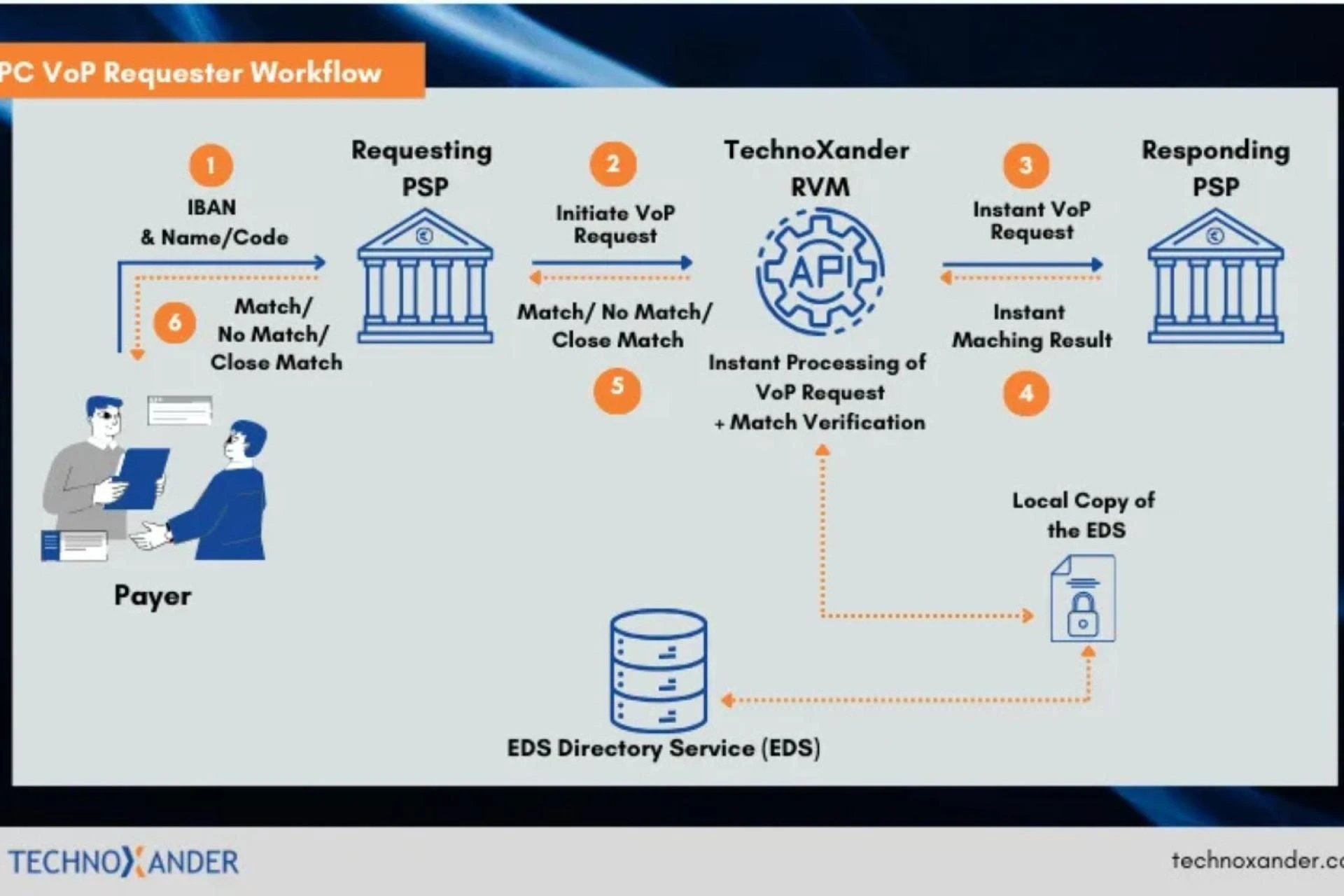
In the open banking ecosystem, where multiple platforms interact in real time, verifying a payee’s identity is not just good practice—it’s essential.
What Is Verification of Payee (VoP)?
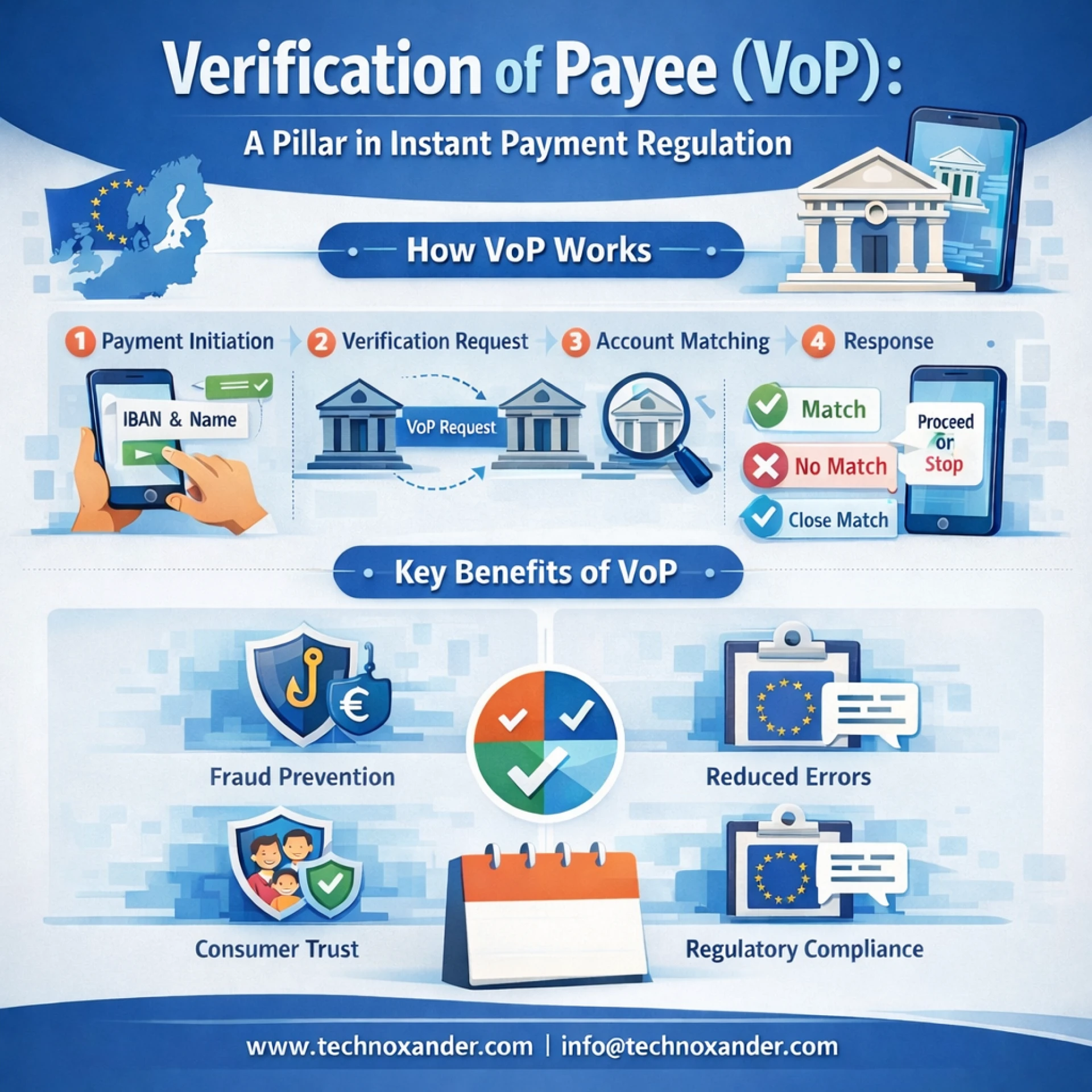
Verification of Payee (VoP) is a real-time checking mechanism that confirms whether the name entered by the sender matches the account holder’s name at the receiving bank. It’s a security tool that ensures payments go to the correct person or entity—before the money is transferred.
In traditional banking, name mismatches often go undetected, leading to accidental transfers or fraud. In open banking, these risks are amplified, and VoP helps close that gap.
Why VoP Is Essential for Open Banking
1. Real-Time Data Requires Real-Time Validation
In open banking, transactions can be initiated by multiple third-party providers across platforms. This makes Verification of Payee APIs crucial for real-time validation of account holder details before a payment is executed.
2. Shared Access Demands Shared Accountability
With open banking, customer data is shared across apps, lenders, and financial platforms. Verification of Payee Providers ensure that every transaction complies with identity checks, adding a unified layer of security regardless of where the transaction begins.
3. Boosting Consumer Confidence
Consumers are often wary of linking their accounts to third-party apps. VoP reduces this anxiety by ensuring that transfers are verified, secure, and protected. It helps customers feel safer while embracing the convenience of open banking.
Integration Through VoP APIs
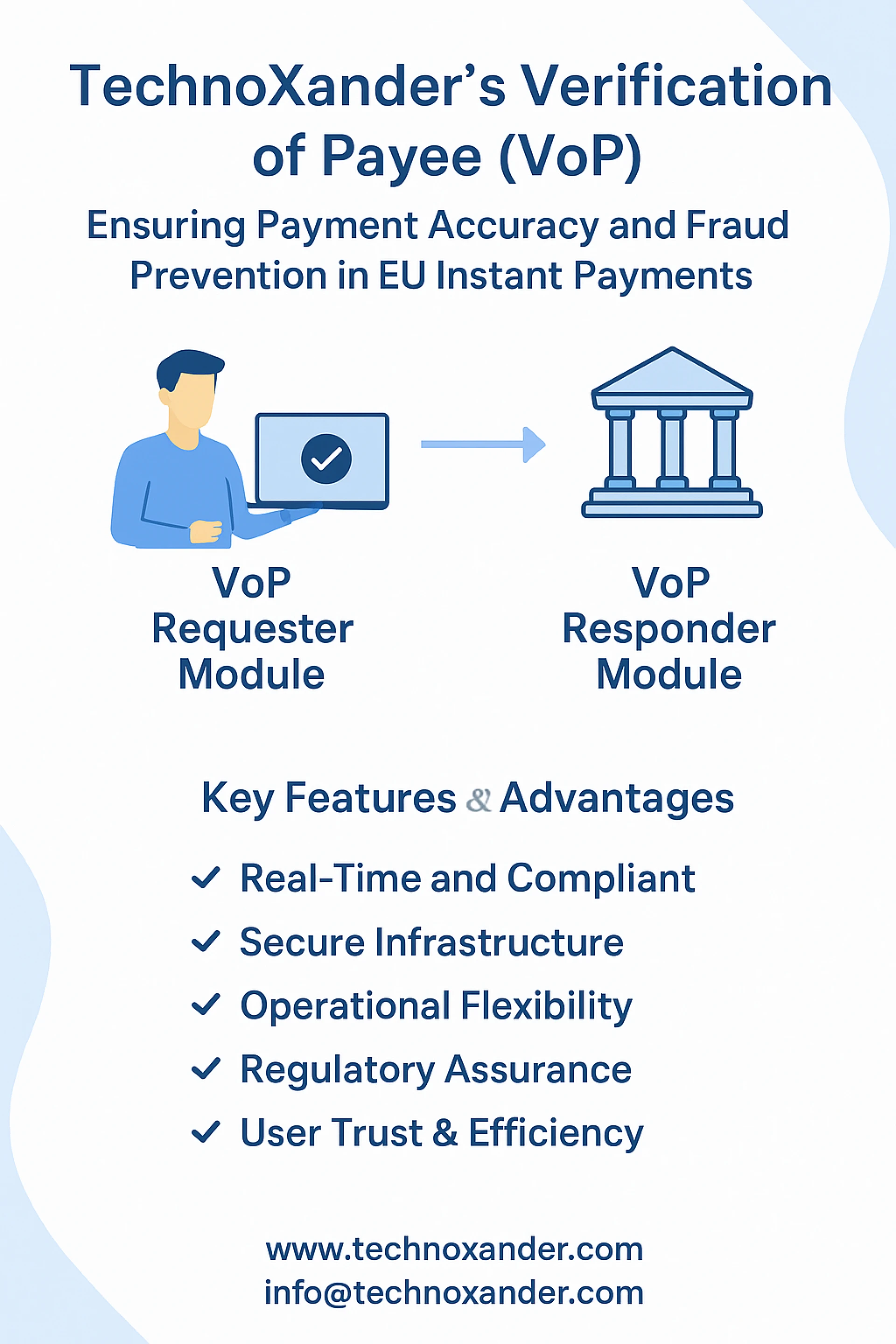
One of the most valuable aspects of VoP in the open banking landscape is the ease of integration. A robust Verification of Payee API can seamlessly integrate into fintech applications, digital wallets, and banking apps. This allows instant payee verification without disrupting the user experience.
For developers and fintech startups, this also means faster compliance with Verification of Payee Europe standards and quicker go-to-market strategies.
Compliance, Trust, and Security
Open banking must comply with regulations like PSD2 and the UK’s Payment Services Regulations. In many European countries, regulators expect banks and third-party providers to implement strong customer authentication and anti-fraud checks.
Verification of Payee Service Providers that offer scalable, API-driven solutions help meet these compliance needs while safeguarding end-user trust.
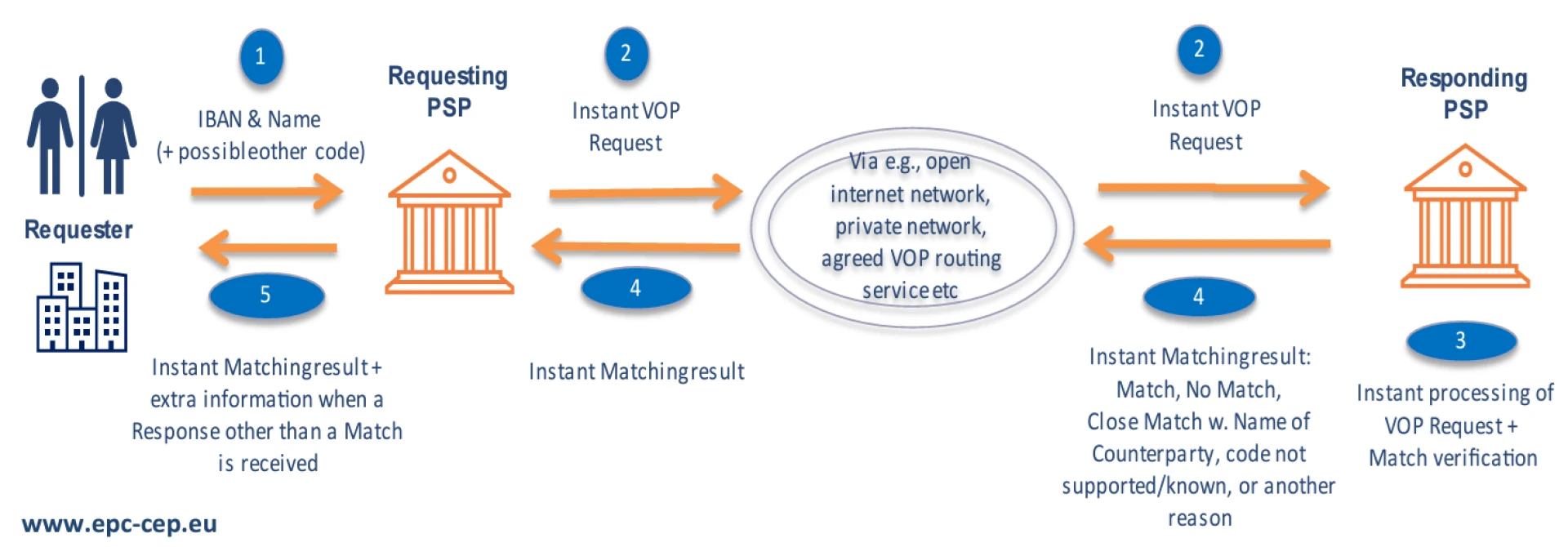
Read more - Verification of Payee (VoP) in 2025 – How it works?
Final Thoughts
As open banking continues to reshape the global financial system, Verification of Payee (VoP) emerges as a foundational element. It supports security, fosters consumer trust, and ensures that transactions are compliant and fraud-resistant from start to finish.
Whether you're a bank, a fintech innovator, or a third-party developer, integrating VoP into your open banking infrastructure isn't just a safeguard—it's a smart move for the future of finance.











Sign in to leave a comment.