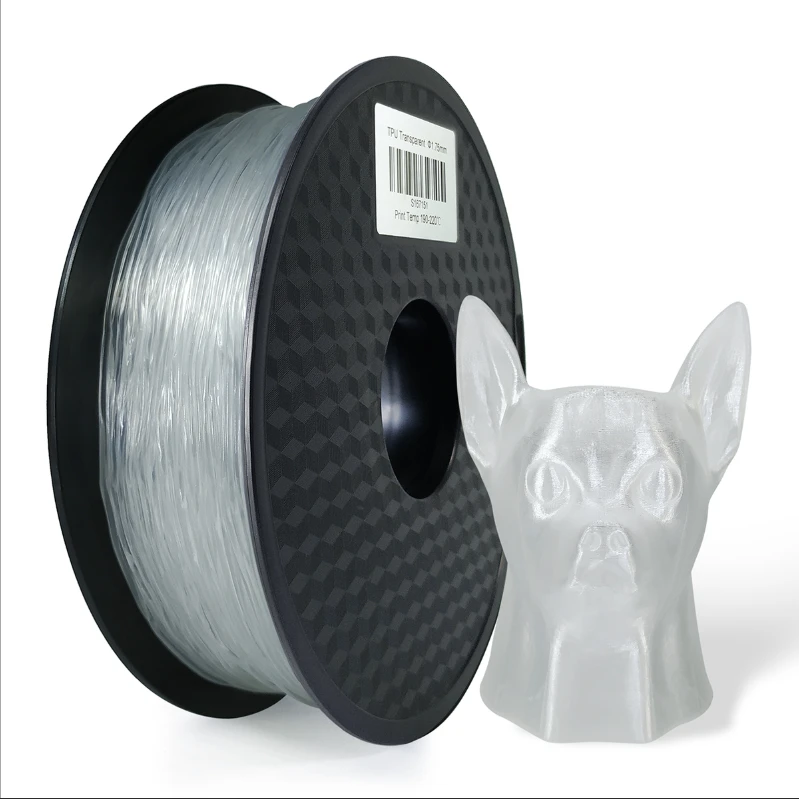

In the early stages of product development, engineering trials, and structural optimization, the effectiveness of validation often determines the success or failure of the entire design process. 3D printing — especially with PLA (Polylactic Acid) — is increasingly becoming the go-to “experimental tool” for designers, engineers, and researchers alike. It not only reduces the cost of prototyping but also shortens iteration cycles, providing a tangible, hands-on entry point for testing lightweight structures and functional components.
While PLA may not be suited for high-temperature or high-impact environments, its excellent printability and structural stability make it ideal for early-stage prototype validation. From rapid print speeds and clean detail reproduction to low support requirements and easy post-processing, PLA is practically made for “version one” of any idea. Whether verifying mechanical assemblies, testing airflow channels, or analyzing stress paths in lightweight components, designers frequently rely on PLA prints to bring abstract concepts into the physical world — allowing critical evaluation of fit, scale, and feasibility right from the start.
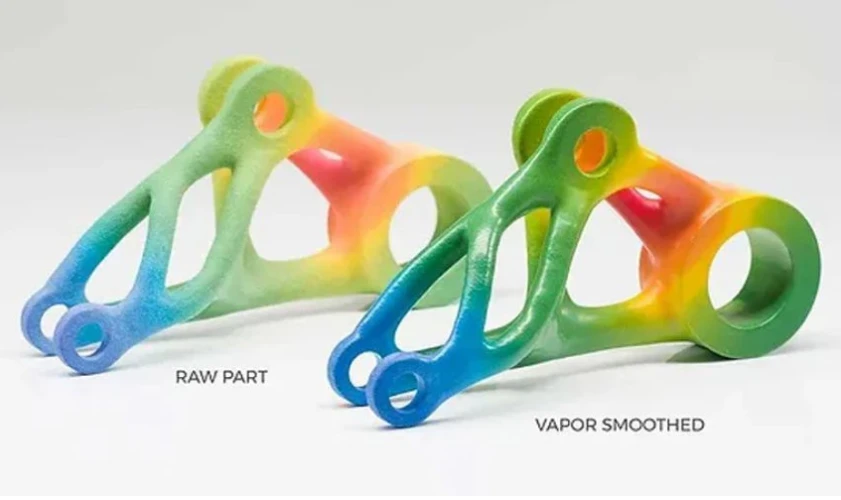
PLA is also increasingly valued in structural optimization workflows. With parametric design and topology optimization tools, engineers can generate complex lightweight geometries that would be difficult to prototype with traditional methods. PLA becomes the perfect “low-cost test field” for these shapes. From drone housings and bicycle parts to scaled bridge structures, test prints in PLA help assess manufacturability and support simple load testing — providing crucial insights before investing in final production with metal or composite materials. Its dimensional accuracy and low warping tendencies make data collection more reliable and test results more meaningful.
Moreover, as 3D printing finds its way into more educational and research settings, PLA is becoming the “language of experimentation” in engineering education. Students learn mechanical principles and structural behavior through hands-on modeling and printing, developing a deeper sense of problem-solving and design validation. For startups and small R&D teams, PLA offers a strategic advantage — enabling rapid iteration and low-cost prototyping that can turn ideas into physical models within hours, accelerating innovation and reducing development risk.
From verifying assembly tolerances to exploring the boundaries of structural design, PLA’s role in lightweight structures and test prints goes far beyond being a temporary material. It represents a mindset — one of rapid prototyping, cost-effective trial and error, and innovation fueled by feedback. Even as technology evolves, PLA remains one of the most dependable starting points on the path to engineering breakthroughs.











Sign in to leave a comment.