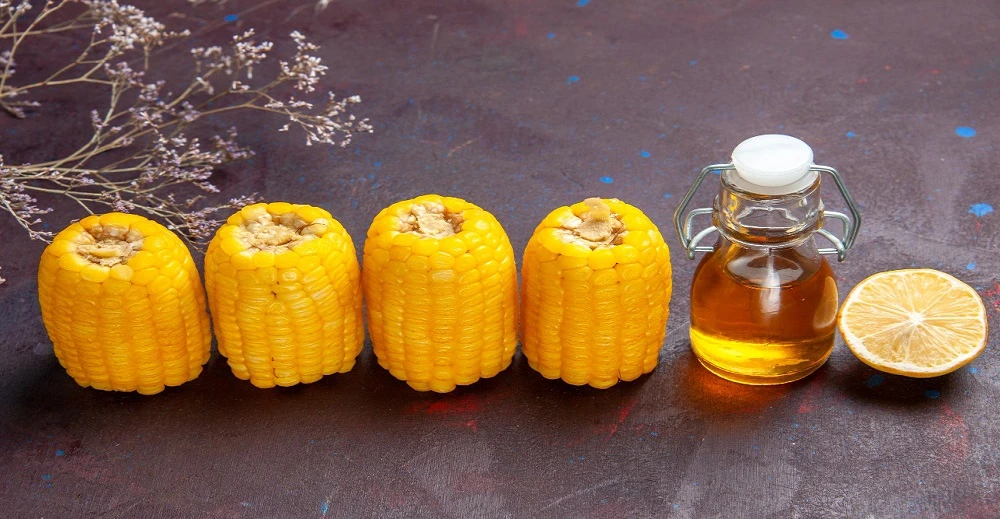

High fructose corn syrup (HFCS) is one of the most ubiquitous yet polarizing ingredients in the modern food industry. Found in everything from sodas to salad dressings, this sweetener has sparked debates about health, economics, and environmental impact. In this blog post, we’ll dive into what HFCS is, how it’s made, its role in the food supply, the controversies surrounding it, and what the science says about its effects on our bodies. By the end, you’ll have a clearer picture of this sweet substance and its place in our diets.
What Is High Fructose Corn Syrup?
High fructose corn syrup is a sweetener derived from corn starch. It’s composed primarily of glucose and fructose, two simple sugars, in varying ratios. The most common forms are HFCS-55 (55% fructose, 45% glucose) and HFCS-42 (42% fructose, 58% glucose). These ratios are similar to those found in table sugar (sucrose), which is 50% fructose and 50% glucose. However, the way HFCS is processed and used in food manufacturing sets it apart.
High Fructose Corn Syrup was developed in the 1960s and gained widespread use in the 1970s and 1980s, particularly in the United States, due to its affordability and versatility. It’s liquid, making it easy to blend into beverages and processed foods, and it’s cheaper than sugar, thanks to corn subsidies and sugar tariffs. Today, HFCS is a staple in soft drinks, baked goods, condiments, and even some “health” foods like granola bars.
How Is High Fructose Corn Syrup Made?
The production of HFCS is a marvel of food science. It starts with corn, which is milled to extract starch. The starch is then treated with enzymes to break it down into glucose, creating corn syrup. To make HFCS, another enzyme, glucose isomerase, is added to convert some of the glucose into fructose, resulting in a sweeter product. The final syrup is filtered and adjusted to achieve the desired fructose-to-glucose ratio.
This process is energy-intensive and relies on large-scale industrial agriculture, particularly corn farming. The U.S. produces vast quantities of corn, much of it genetically modified, which keeps HFCS costs low. Critics argue that this reliance on monoculture farming has environmental drawbacks, including soil degradation and pesticide use, but that’s a topic for another day.
Why Is High Fructose Corn Syrup So Popular?
HFCS’s dominance in the food industry comes down to economics and functionality. Here are a few reasons why manufacturers love it:
- Cost-Effectiveness: Corn subsidies in the U.S. make HFCS cheaper than cane or beet sugar. Import tariffs on sugar further widen the price gap.
- Versatility: Its liquid form is easy to mix into beverages, sauces, and batters, and it extends shelf life by retaining moisture in products like bread.
- Sweetness: HFCS-55 is slightly sweeter than sucrose, making it ideal for soft drinks, while HFCS-42 works well in baked goods.
- Stability: Unlike sugar, HFCS doesn’t crystallize, ensuring a smooth texture in products like ice cream and candy.
For consumers, HFCS often goes unnoticed because it’s so deeply embedded in the food supply. Check the ingredient list on a can of soda, a box of cereal, or a jar of ketchup, and you’re likely to find it.
The Health Controversy
HFCS has been vilified in health circles, with some calling it a driver of obesity, diabetes, and heart disease. But is it really the villain it’s made out to be? Let’s break down the science and the myths.
High Fructose Corn Syrup vs. Sugar: Is There a Difference?
Chemically, HFCS and table sugar are remarkably similar. Both contain roughly equal amounts of fructose and glucose. In the body, sucrose is broken down into these two sugars in the digestive tract, just like HFCS. However, some argue that the “free” fructose in HFCS (not bound to glucose, as in sucrose) is metabolized differently, potentially leading to adverse health effects.
Fructose is primarily processed by the liver, where it can be converted into fat if consumed in excess. This has led to concerns that high fructose intake, whether from HFCS or other sources, could contribute to non-alcoholic fatty liver disease (NAFLD). However, studies show that excessive consumption of any added sugar—not just HFCS—can have this effect.
The Obesity Link
The rise in High Fructose Corn Syrup consumption in the 1980s coincided with increasing obesity rates in the U.S., leading some to point fingers. However, correlation doesn’t equal causation. During the same period, portion sizes grew, physical activity declined, and ultra-processed foods became more prevalent. Pinning the obesity epidemic solely on HFCS oversimplifies a complex issue.
Research, including a 2014 review in the Journal of Nutrition, found no significant difference in health outcomes between HFCS and sucrose when consumed in similar amounts. The American Medical Association and the Academy of Nutrition and Dietetics have also stated that HFCS is not inherently worse than other sugars. The real issue is overconsumption of added sugars in general, which the World Health Organization recommends limiting to less than 10% of daily calories.
Metabolic Effects
Some studies suggest that high fructose intake may increase triglycerides, a type of blood fat linked to heart disease, and reduce insulin sensitivity, a precursor to type 2 diabetes. However, these effects are typically seen in studies using unrealistically high doses of fructose, often in liquid form (like soda). In moderation, the body can handle fructose from HFCS or fruit without issue.
Interestingly, fruit, which contains fructose, isn’t demonized like HFCS. This is because fruit also provides fiber, vitamins, and antioxidants, which slow sugar absorption and provide nutritional benefits. The context in which fructose is consumed matters.
The “Natural” Argument
Critics often call HFCS “unnatural” due to its industrial production. While it’s true that HFCS doesn’t exist in nature, the same could be said for many processed foods, including refined sugar. The “natural” label is more about marketing than science. Honey, agave nectar, and maple syrup, often touted as healthier alternatives, also contain high levels of fructose and should be consumed sparingly.
Environmental and Economic Impacts
Beyond health, HFCS production has broader implications. The reliance on corn farming contributes to environmental challenges, including water overuse, pesticide runoff, and greenhouse gas emissions. Genetically modified corn, which dominates U.S. production, raises concerns for some about biodiversity and long-term ecological effects.
Economically, HFCS is a double-edged sword. It supports jobs in agriculture and food manufacturing but has been criticized for distorting markets. U.S. farm subsidies favor corn over other crops, and sugar tariffs make imported sugar less competitive, entrenching HFCS’s dominance. This system benefits large agribusinesses but can disadvantage smaller farmers and consumers seeking diverse food options.
The Consumer Perspective
For many, HFCS is a symbol of everything wrong with the modern food system: cheap, processed, and omnipresent. This has fueled a backlash, with brands like Hunt’s and Pepsi launching “HFCS-free” products to appeal to health-conscious consumers. However, these alternatives often use other sugars, which may not be meaningfully better.
If you’re concerned about HFCS, the best approach is to focus on whole, minimally processed foods. Read labels, but don’t obsess over HFCS specifically—watch for all added sugars, including cane sugar, honey, and agave. Reducing overall sugar intake, staying active, and eating a balanced diet are far more impactful than avoiding one ingredient.
The Future of High Fructose Corn Syrup
As consumer preferences shift toward “clean” and “natural” foods, HFCS’s popularity may wane. Some companies are reformulating products to use cane sugar or alternative sweeteners like stevia. However, HFCS remains a cost-effective option for manufacturers, and its use is still widespread, especially in low-cost foods and beverages.
Globally, HFCS is less common outside the U.S. due to different agricultural policies and consumer tastes. In Europe, for example, sugar beets are a primary sweetener source, and HFCS faces stricter regulations. As global health concerns grow, we may see more countries scrutinizing added sugars, potentially reshaping the sweetener landscape.1
Conclusion
High fructose corn syrup is neither a miracle ingredient nor a dietary demon. It’s a product of economic and agricultural systems that prioritize affordability and scalability. While it’s easy to scapegoat HFCS for health woes, the evidence points to overconsumption of all added sugars as the real issue. By understanding what HFCS is and how it fits into our diets, we can make informed choices without falling for fear-based narratives.
Next time you grab a soda or a snack, check the label. If HFCS is there, it’s not the end of the world—just a reminder to enjoy it in moderation. The sweet life is all about balance, after all.
Read more information and insights related to the High Fructose Corn Syrup Market.












Sign in to leave a comment.