
Introduction: The Silent Revolution in Food Packaging
Picture this: You grab a quick takeout meal, enjoy it, and toss the container—guilt-free. No lingering plastic guilt, no contribution to landfills, just a container that magically disappears back into the earth. Sounds like a fantasy?
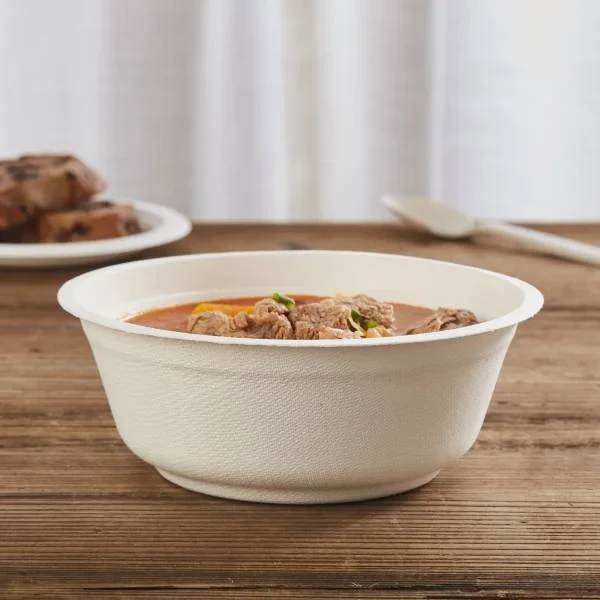
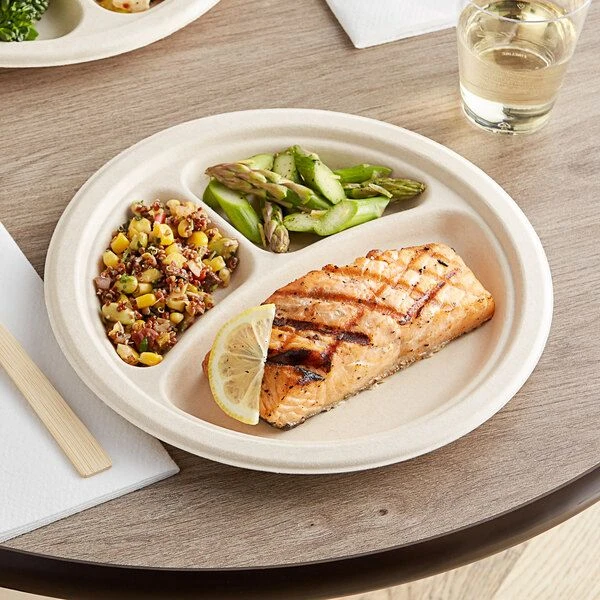
Enter bagasse bowls, the unsung hero of sustainable food packaging. Made from sugarcane waste, these bowls are outperforming plastic in strength, cost, and environmental impact—and major food chains are taking notice.
But why should you care? Because whether you're a restaurant owner tired of packaging headaches or an eco-conscious consumer, this is the future of food service—and it's already here.
Let’s dive into why bagasse isn’t just another "green" alternative—it’s the smartest choice for businesses and the planet.
1. Plastic’s Dirty Little Secrets (And Why Bagasse Wins)
The Plastic Problem: More Than Just Pollution
- Recycling is broken: Only 9% of plastic gets recycled—the rest piles up in landfills or oceans.
- Hidden costs: Plastic bans in 68+ countries mean rising fees and compliance headaches.
- Health risks: Studies link heated plastic containers to hormone disruption.
Paper’s Pitfalls: Not as Green as You Think
- Deforestation: Paper production destroys 4 million hectares of forest yearly.
- Toxic coatings: Many "compostable" paper bowls contain PFAS (forever chemicals).
- Performance fails: Soggy bottoms and lid leaks frustrate customers.
→ The solution? A material that’s stronger than plastic, greener than paper, and made from waste.
2. Bagasse Bowls: The Game-Changer You’ve Been Waiting For
What Makes Them Special?
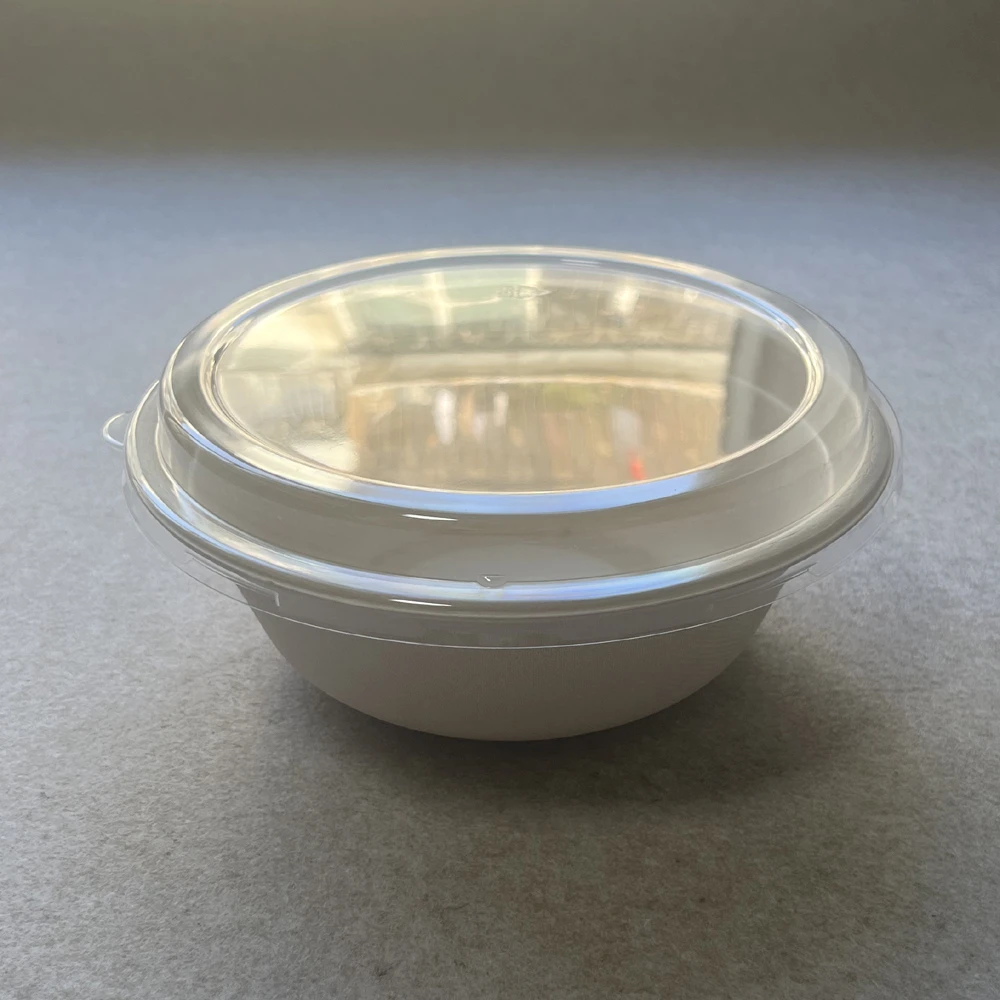
- Waste to wonder: Made from leftover sugarcane pulp—no extra resources needed.
- Unbeatable strength: Holds hot, greasy foods without leaks (unlike paper).
- Ends the waste cycle: Composts in 45 days—plastic takes 450+ years.
Cost Breakdown: The Real Savings
Feature Plastic Paper Bagasse
Price per unit $0.07 $0.12 $0.15
Waste fees High Moderate None
Customer appeal Negative Neutral Positive
Key insight: While bagasse costs slightly more upfront, businesses report:
- 28% fewer complaints (no leaks!)
- 40% lower waste fees (thanks to composting)
- Free marketing from eco-conscious customers
3. Real-World Wins: 3 Businesses Thriving with Bagasse
Case 1: Fast-Casual Chain Saves $18K/Year
- Cut waste fees by $6,000 annually
- Gained $12K in free PR from "green business" awards
Case 2: Food Truck’s Instagram Boom
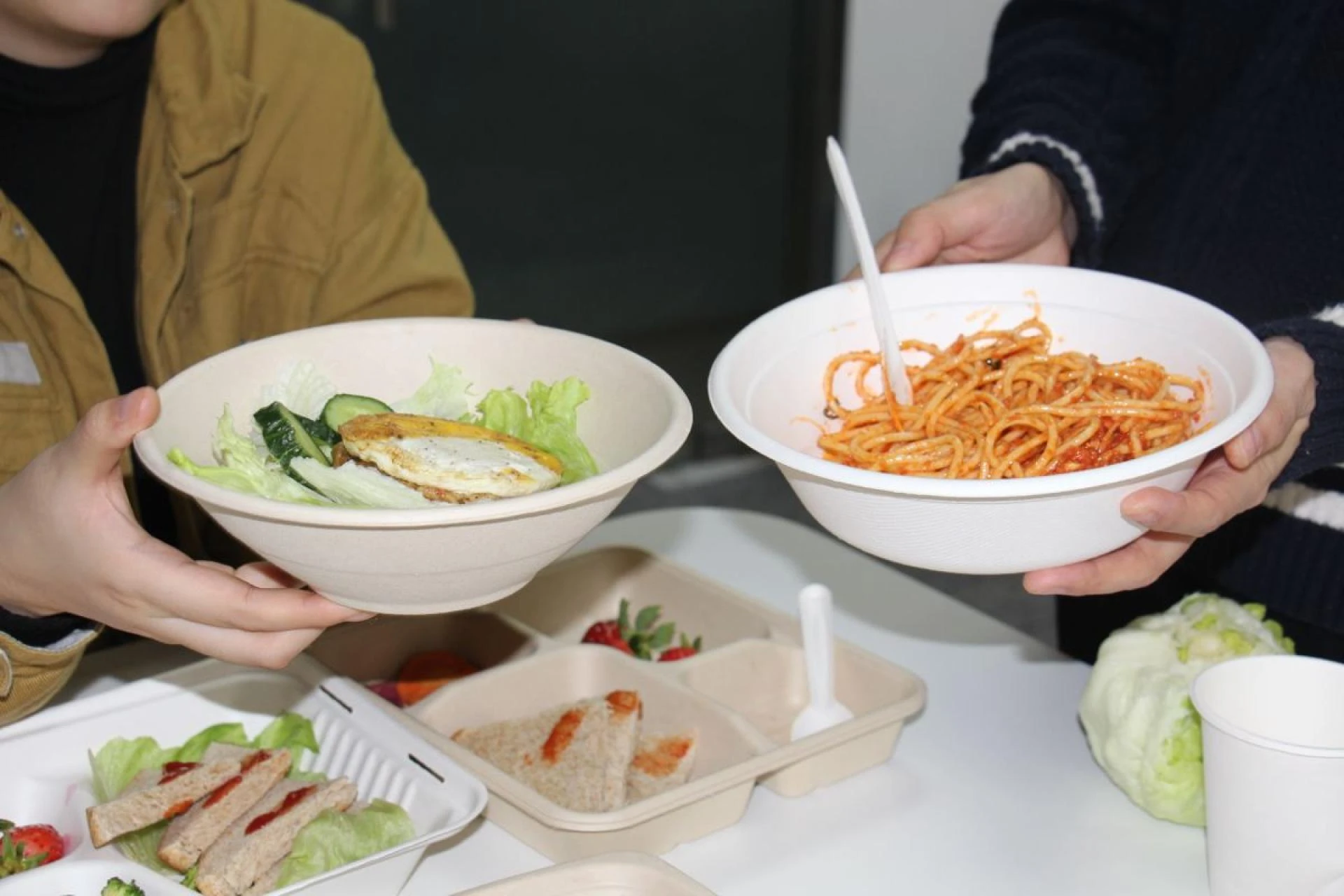
"Our food photos went viral—customers love the rustic, eco-chic bowls!"
Case 3: Corporate Cafeteria’s Plastic-Free Win
Employees stopped bringing Tupperware after seeing the bowls were microwave-safe.
4. How to Switch Without the Stress
For Restaurants:
- Start small: Test bagasse with 1-2 bestsellers.
- Train staff: "These won’t leak—even with curry!"
- Market it: Add a "Compost me!" sticker to highlight sustainability.
For Consumers:
- Look for BPI/OK Compost logos to avoid fake "eco" brands.
- Composting hack: Tear bowls into strips to speed breakdown.
5. The Future: Why Bagasse is Just the Start
- Next-gen upgrades: Edible coatings, zero-waste supply chains.
- Regulatory boom: With global plastic bans, demand will skyrocket.
Final Thought: Small Switch, Massive Impact
Choosing bagasse isn’t about perfection—it’s about progress. And when thousands of businesses join in? That’s billions of plastic containers saved from landfills.
Ready to join the revolution?









Sign in to leave a comment.