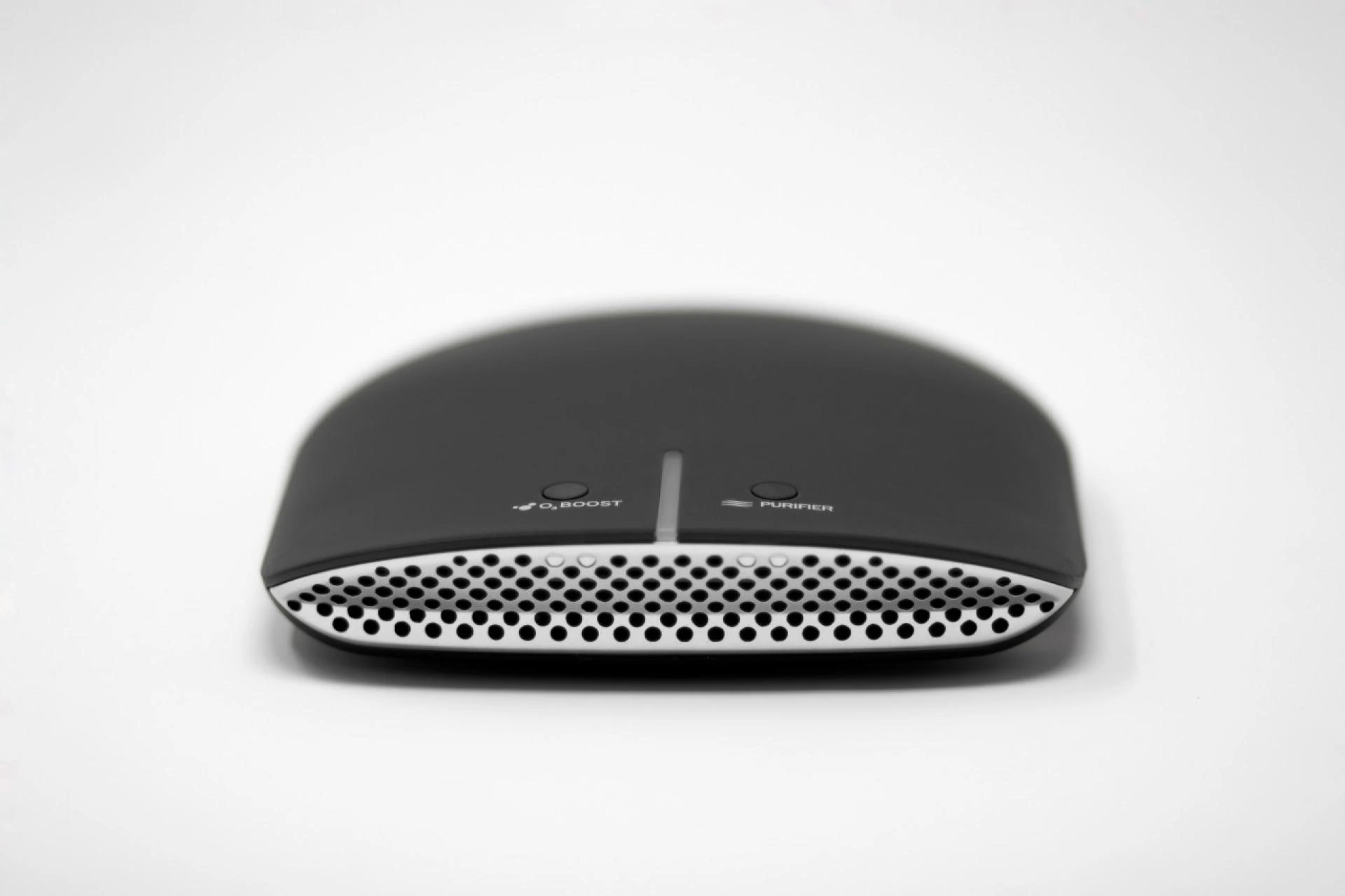

Ensuring clean air inside a vehicle is essential for maintaining good health and comfort while driving. With increasing pollution levels and exposure to allergens, dust, and bacteria, investing in an air purifier for a car is a practical step toward improved air quality. Airborne contaminants can accumulate in a car’s cabin due to external pollution, interior materials, and even passengers. These pollutants contribute to respiratory issues, allergies, and discomfort, making it necessary to find effective ways to cleanse the air within a vehicle.
Best car air purifiers work by removing pollutants, odors, and airborne bacteria, enhancing the overall air quality inside a vehicle. Different purification technologies, such as HEPA filters, activated carbon filters, ionizers, and UV light sterilization, are used to achieve cleaner air. HEPA filters are particularly effective in trapping fine dust particles, pollen, and pet dander, while activated carbon filters absorb harmful gases and odors. Ionizers release negative ions to neutralize airborne contaminants, and UV sterilization kills bacteria and viruses. The combination of these technologies can significantly enhance air quality in enclosed spaces such as a car’s cabin.
Factors influencing the effectiveness of a car air purifier include filtration efficiency, airflow rate, size, noise level, and ease of maintenance. A high-efficiency filtration system ensures that minute particles and harmful contaminants are effectively removed. The airflow rate determines how quickly the air inside the car is purified, making it an important factor to consider. Compact designs that do not obstruct space within the vehicle are preferable, while noise levels should be minimal for an undisturbed driving experience. Easy maintenance, including filter replacement and cleaning, ensures that the purifier remains effective in the long run.
The benefits of using a car air purifier extend beyond removing dust and allergens. Airborne bacteria and viruses can spread easily in confined spaces, especially in air-conditioned vehicles. An effective air purifier can reduce the risk of respiratory infections and allergies, making travel safer for passengers. Additionally, persistent odors from food, pets, or smoke can make driving unpleasant. Air purifiers equipped with activated carbon filters help eliminate unwanted odors, ensuring a fresh environment within the car.
One of the primary concerns while selecting a car air purifier is power consumption and connectivity. Most car air purifiers are powered through USB ports or a car’s 12V socket, making them convenient to use. Energy-efficient models ensure that they do not drain the vehicle’s battery when used for extended periods. Additionally, some advanced models come with smart sensors that adjust the purification process based on air quality, optimizing energy consumption and efficiency.
Another aspect to consider is the suitability of a car air purifier for specific needs. Drivers who frequently travel in high-traffic areas may require a powerful purifier capable of eliminating exhaust fumes and harmful gases. Those who suffer from allergies may prioritize HEPA filtration for effective removal of pollen and allergens. For individuals sensitive to strong odors, purifiers with activated carbon filters are ideal. The selection process should align with the user’s specific air quality concerns.
Installation and maintenance play a crucial role in the overall experience of using a car air purifier. Most models are designed for simple plug-and-play functionality, requiring minimal setup. Some purifiers are placed on dashboards, while others fit into cup holders or attach to air vents. Ensuring proper placement allows for optimal airflow and effectiveness. Maintenance, including regular filter replacement and cleaning, is essential to keep the purifier functioning efficiently. Some purifiers feature washable filters, reducing the need for frequent replacements.
Environmental conditions, such as humidity and temperature, also impact the efficiency of a car air purifier. In areas with high humidity, certain purification technologies like ionizers may not perform optimally. Similarly, extreme temperatures inside a parked vehicle can affect the functionality of electronic components. Selecting a durable and well-built purifier ensures longevity and consistent performance in varying conditions.
Affordability and long-term cost-effectiveness are important factors when investing in a car air purifier. While budget-friendly options are available, it is essential to evaluate their efficiency and reliability. Some purifiers require frequent filter replacements, adding to maintenance costs. Investing in a high-quality purifier with long-lasting filters and energy efficiency can be more cost-effective in the long run. Warranty and customer support also contribute to a hassle-free experience.
Technological advancements in air purification have led to the development of smart purifiers with additional features. Some models include real-time air quality indicators, automatic adjustment modes, and smartphone connectivity. These features enhance user convenience by providing insights into air quality levels and allowing remote control of the device. While these features are beneficial, it is essential to balance them with the core functionality of effective air purification.
The size of a car’s interior also influences the choice of an air purifier. Larger vehicles, such as SUVs and vans, may require more powerful purifiers with higher airflow rates to ensure comprehensive purification. Compact cars can benefit from smaller, portable models that do not take up excessive space. Considering the vehicle’s size and the purifier’s coverage area ensures efficient air purification.
Sustainability and eco-friendliness are additional considerations when selecting a car air purifier. Some models use environmentally friendly materials and energy-efficient components. Reducing plastic usage in filter construction and ensuring proper disposal of used filters contribute to sustainability. Manufacturers focusing on eco-friendly solutions align with the growing awareness of environmental responsibility.
Driving comfort is significantly enhanced by a clean and fresh environment inside the car. Unpleasant odors, airborne pollutants, and allergens can cause discomfort and distraction while driving. An air purifier contributes to a more pleasant journey by maintaining fresh and breathable air. This is particularly beneficial for individuals with respiratory conditions or sensitivities to airborne particles.
Children and elderly passengers are more vulnerable to poor air quality, making air purification essential for family vehicles. Infants and young children have developing respiratory systems, while elderly individuals may have existing health conditions affected by airborne pollutants. A car air purifier ensures a safer and healthier environment for all passengers, reducing exposure to harmful contaminants.
Air quality is a growing concern in urban areas with high pollution levels. Vehicles traveling in congested traffic are exposed to exhaust fumes, industrial emissions, and other pollutants. Car air purifiers help mitigate the effects of external pollution, creating a cleaner and healthier driving experience. Regular use of an air purifier minimizes exposure to harmful particles that can negatively impact health over time.
Long-term exposure to polluted air can lead to respiratory issues, fatigue, and reduced concentration levels while driving. A car air purifier contributes to overall well-being by providing consistently clean air. The ability to breathe fresh air enhances mental alertness and reduces stress during long drives, ensuring a more enjoyable and focused driving experience.
Understanding the different technologies and features of car air purifiers allows consumers to make informed decisions. Evaluating filtration efficiency, power consumption, ease of maintenance, and additional features helps in selecting a purifier that meets specific requirements. Prioritizing effective air purification ensures a healthier and more comfortable driving environment.
By incorporating a reliable air purification system, drivers and passengers can experience improved air quality, reduced health risks, and enhanced comfort during their journeys. The importance of clean air inside a vehicle cannot be overstated, making air purifiers a valuable addition to any car. Ensuring proper selection, usage, and maintenance maximizes the benefits of air purification, contributing to overall well-being on the road.










Sign in to leave a comment.