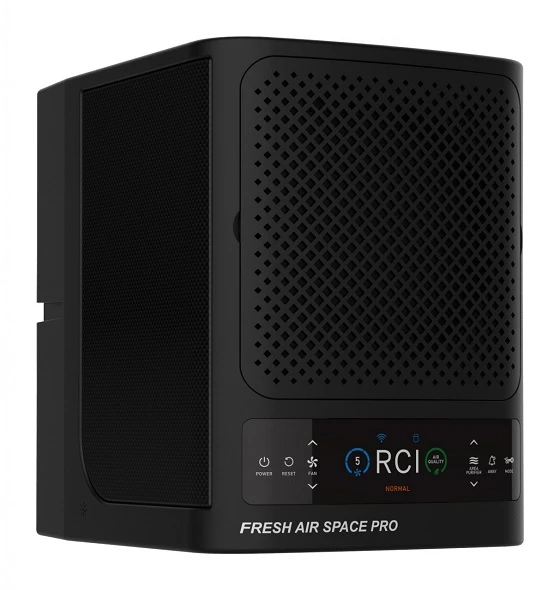

Indoor air quality plays a critical role in overall health and comfort, especially for individuals living in urban environments or areas with high pollution levels. One of the most common pollutants inside homes and offices is dust—an often underestimated contributor to allergies, respiratory irritation, and poor indoor hygiene. Using an air purifier for dust is a practical step toward maintaining cleaner indoor environments.
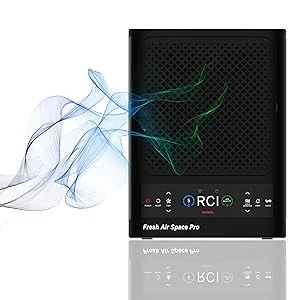
This article explores how air purifiers work to capture dust particles, why dust is more than just a housekeeping issue, and what to consider when choosing a purifier tailored for dust control.
What Is Household Dust and Why Should You Care?
Dust is a complex mixture of particles that includes dead skin cells, pollen, mold spores, fabric fibers, pet dander, and even microscopic bits of soil and pollutants. These particles are small enough to become airborne, where they are easily inhaled, especially by children, the elderly, and individuals with asthma or allergies.
While dust is commonly seen as a nuisance that settles on surfaces, it's the airborne form that poses a greater risk to respiratory health. Regular vacuuming and dusting can only do so much. Once disturbed, dust particles are released back into the air. That’s where an air filtration system becomes crucial.
How Do Air Purifiers Target Dust?
Most air purifiers use multi-stage filtration systems to remove contaminants, and dust is one of the primary targets. A well-designed purifier will typically include:
Pre-filters: These trap large particles like dust, pet hair, and lint.
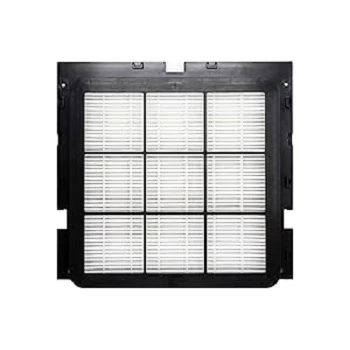
HEPA filters (High Efficiency Particulate Air): Capable of capturing 99.97% of particles as small as 0.3 microns, HEPA filters are ideal for dealing with fine dust particles.
Activated carbon filters: While not specifically designed for dust, they help neutralize odors and gases often found alongside airborne particles.
By continuously cycling air through these filters, an air purifier reduces the amount of dust floating in the air, helping keep surfaces cleaner and the air more breathable.
Benefits of Using an Air Purifier for Dust Control
The decision to invest in an air purification system has a direct impact on both health and home maintenance. Some of the most notable benefits include:
Reduced Allergy Symptoms
Dust mites, a common allergen found in household dust, are a primary trigger for allergy sufferers. An effective air purifier helps reduce exposure to these allergens, easing symptoms like sneezing, coughing, and nasal congestion.
Improved Sleep Quality
Respiratory irritation caused by dust can disrupt sleep. By removing airborne irritants, air purifiers help create a more restful and comfortable sleeping environment.
Enhanced Indoor Air Quality
By eliminating microscopic pollutants, a dust-focused air purifier creates a cleaner living environment, beneficial for everyone—especially those with respiratory conditions.
Less Frequent Cleaning
When air purifiers remove dust before it settles, you’ll notice less buildup on furniture and floors. This means less time spent dusting and vacuuming.
Choosing the Right Air Purifier for Dust
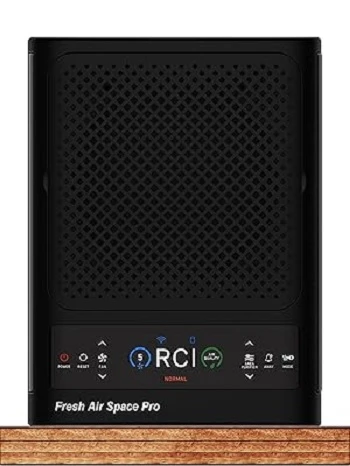
Not all purifiers are created equal, and choosing one specifically for dust control requires consideration of several factors:
Filter Type
As mentioned, a HEPA filter is essential. Ensure the model explicitly includes a true HEPA filter not just "HEPA-like" or "HEPA-type" filters, which may not meet the same performance standards.
Room Size
Different purifiers are designed for different room sizes. Check the device’s Clean Air Delivery Rate (CADR) for dust to ensure it's powerful enough for your intended space.
Maintenance Requirements
Filters need to be replaced regularly to remain effective. Consider the cost and frequency of filter changes before purchasing.
Noise Level : Some air purifiers can be loud, particularly on high settings. Look for models with a sleep or quiet mode if you plan to use it in a bedroom or study.
Other Strategies to Minimize Indoor Dust: While an air purifier is a valuable tool, it works best as part of a larger strategy for reducing dust in your home Consider these complementary practices.
Vacuum with HEPA filters: This ensures dust picked up from floors doesn't get released back into the air.
Wash bedding regularly: Dust mites thrive in bedding, so weekly washing in hot water is recommended.
Declutter surfaces: Fewer items on surfaces mean fewer places for dust to settle.
Use doormats and remove shoes indoors: This limits the amount of dirt and particles tracked inside.
Control humidity: Dust mites thrive in humidity above 50%, so using a dehumidifier may help.
Combining these methods with an effective air purifier makes for a powerful dust-control plan.
Is an Air Purifier Enough on Its Own?
While air purifiers can significantly reduce the amount of airborne dust, they are not a silver bullet. They work best as a supplement—not a substitute—for good cleaning habits. If you live in an area with excessive outdoor pollution or have pets, your purifier may have to work harder, and filters may need replacement more often.
Moreover, air purifiers do not remove particles that have already settled on surfaces. So while you may notice cleaner air and fewer allergy symptoms, regular surface cleaning is still necessary.
The Science Behind HEPA Filtration:
Understanding how HEPA filters work can provide additional peace of mind when selecting an air purifier for dust. HEPA filters use a dense mat of fibers arranged to trap airborne particles. They work through three main mechanisms:
Interception: Particles follow airflow and stick to fibers they come in contact with. Impaction: Larger particles cannot avoid fibers due to inertia and crash into them. Diffusion: Smaller particles collide with gas molecules, slowing their path and making them more likely to get caught. This makes HEPA filters highly efficient at capturing a broad range of particle sizes, including those found in dust.










Sign in to leave a comment.