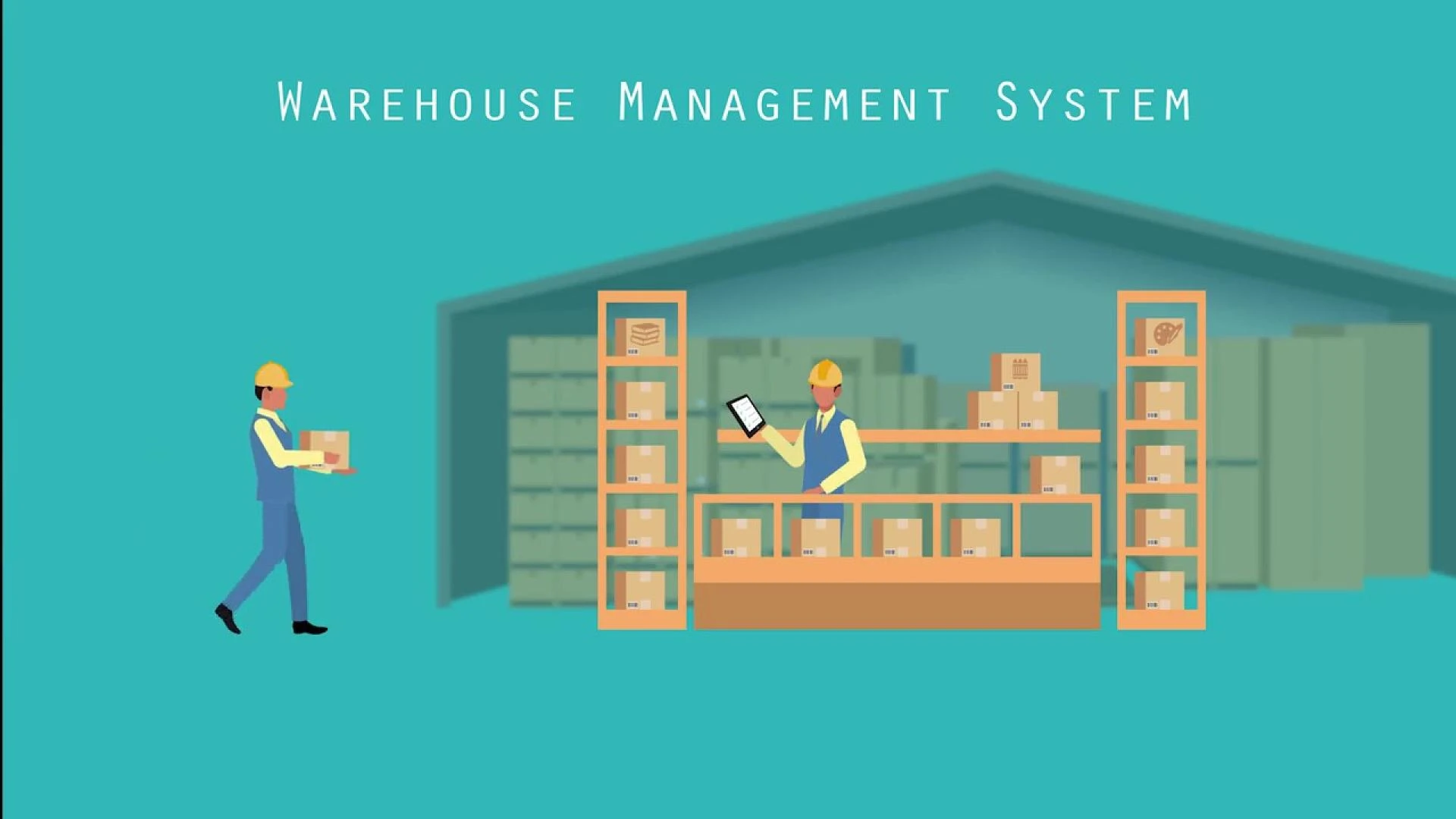

The logistics industry has seen a big transformation over the past ten years. Growing customer demands, retail sector growth, and the emergence of new tech have all played a part in this shift and created many chances to grow. But it also brings challenges like incorporating automation, reducing carbon footprint, and the need to meet customer wants fast.
Optimization of operations at the warehouse level can greatly help in overcoming these challenges. Firms can use warehouse management systems (WMS) for this purpose. These tools can help automate and improve various warehouse tasks such as stock control, shipping, and filling orders.
With warehouse management systems, companies can run their operations more precisely and at an accelerated pace. Such improved operational efficiency leads businesses to long-term market leadership and success.
Significance of Warehouse Management
The implementation of warehouse management solutions enables organizations to manage their whole supply chain operations in an efficient manner. Every movement within the warehouse gets tracked with precision from entry to delivery destination. Proper inventory management and meeting customer needs become achievable for retailers through this granular tracking.
The system also tracks how products move around the warehouse, how many of each item are in stock, and where orders stand. This data helps create plans and schedules to restock. Because of this, customers can obtain the items they desire at the exact moment they require them.
The uses of warehouse management system solutions go beyond just the warehouse. They can help organizations in the order fulfillment process as well. Companies can track the order status, allocate products from inventory, generate shipment labels, and handle other documentation using WMS.
Warehouse management solutions are capable of providing a real-time, 360° view of the supply chain network. This allows key stakeholders to adjust to shifting demands, handle problems well, and change production plans as needed. Businesses that use these capabilities of WMS effectively can consistently meet customer demand and ensure their success.
Top 5 Benefits of Warehouse Management System Solutions
Businesses that rely on in-hand inventory can greatly benefit from warehouse management system solutions. These systems enable them to efficiently use their available space and labor while increasing productivity and saving costs. Here are the top 5 benefits among the many that a WMS can offer to an organization.
Improved Visibility into Inventory Operations
Manual inventory management methods are error-prone, which can lead to overstocking or out-of-stock situations. Firms can get a better look at their stock levels and avoid these issues by using warehouse management solutions. They provide companies with real-time data on inventory levels. A company can estimate supply more accurately and avoid backorders as a result.
When WMS is combined with scanning, RFID, or other methods of location tracking, visibility at a specific location will be accurate. It also reduces the number of instances in which inventory is forgotten, lost, or misplaced within the warehouse.
Better Customer Service
Customer satisfaction is the ultimate goal for any retail business. A warehouse management system solution contributes to this with a smooth order fulfillment process and on-time delivery. With inbound and outbound planning, it can adjust inventory movement according to the available labor and equipment, balancing workload and delivery time.
Warehouse management system solutions can also notify customers about the movement of shipments. Through on-time delivery and advanced shipping notifications, companies can provide better customer service, improving their satisfaction.
Warehouse Space and Cost Optimization
Organizations often struggle to efficiently manage their spaces, which may also lead to increased storage and labor costs. Warehouse management solutions can help optimize this process by analyzing the floor space based on the products and type of material. The analysis can provide insights into how the space can be utilized properly and opportunities to reduce allocation time.
This will also reduce costs involved in excessive inventory movement, expansion of space, and product recovery. By considering the best areas to store items, as well as equipment, a distribution center can lower its working costs.
Effective Labor Management
Warehouse management usually involves manual tasks, such as data entry, order management, and inventory counting. Companies that use warehouse management solutions can make these processes automatic and boost worker output. A WMS can help to effectively distribute workload based on worker availability and real-time demand. This ensures that companies can stay agile despite fluctuations in demand, while saving labor costs.
Enhanced Scalability
As the retail sector keeps expanding, businesses need to use a system that helps them evolve continuously. A WMS can be easily integrated into existing systems and evolving technologies. These integrations can be implemented in phases, allowing companies to update new features without disturbing current processes. Through this continuous evolution, companies can easily scale their warehouse operations.
Bottom Line
Warehouse management is one of the core processes in modern logistics. A WMS can optimize this process and help companies improve their overall efficiency in terms of storage and movement of inventory. It helps companies utilize their space properly, ensure customer satisfaction, and reduce costs related to labor and inventory management.
Looking into the future, warehouse management system solutions will become even smarter and fulfill customer demands at granular levels. They can integrate AI and machine learning to forecast future demands and enable proactive actions. The usage of autonomous robots, voice-directed warehousing, and controlling movements with mobile devices may become more prevalent. Companies that are proactive in embracing such warehouse management solutions can maximize profitability while ensuring sustainable growth.











Sign in to leave a comment.