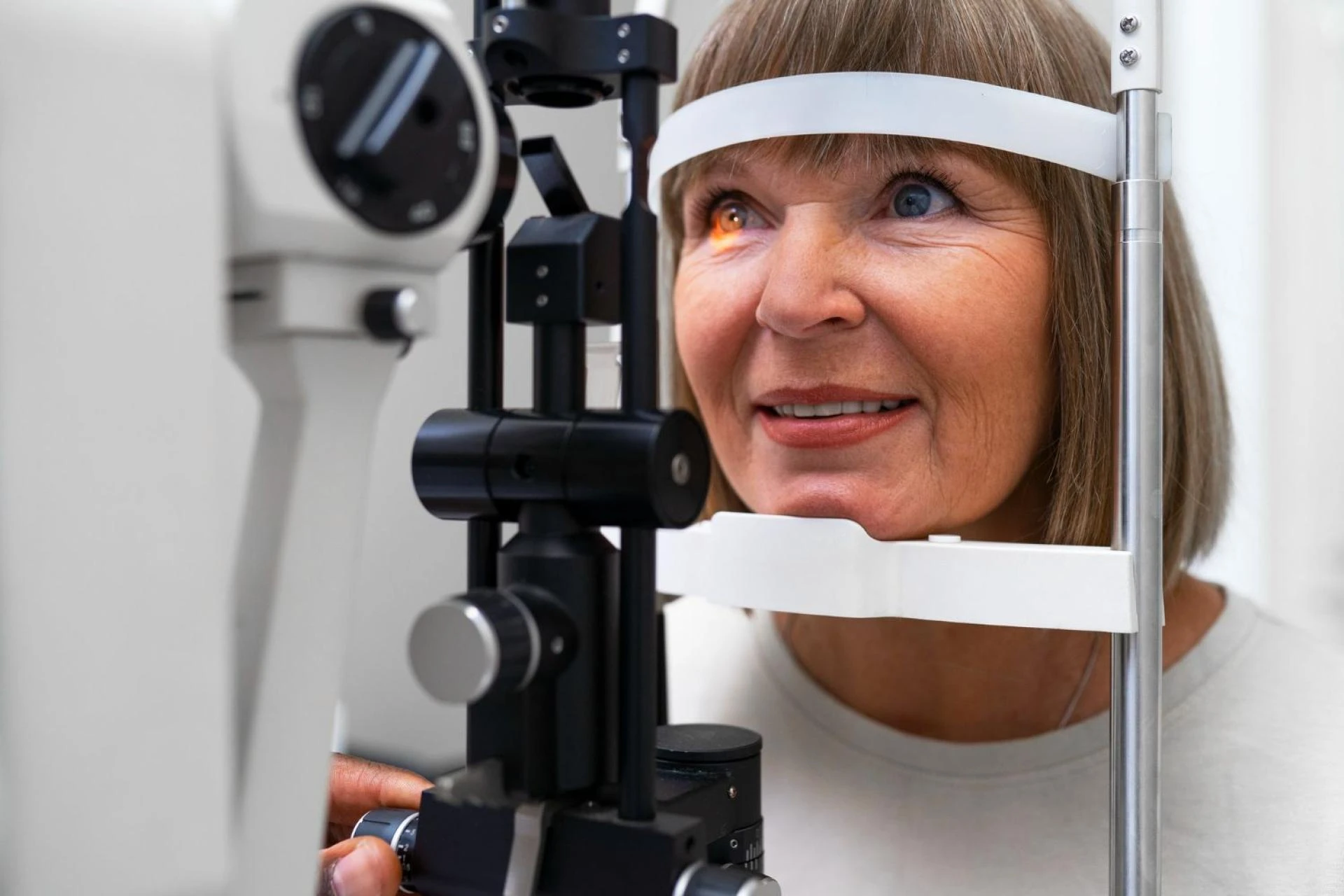
A macular hole is a rare but serious eye condition that can significantly impair central vision, making tasks like reading, driving, or recognizing faces challenging. If you’re in Tampa, Florida, and facing this condition, finding the right specialist is critical to preserving or restoring your vision.
This comprehensive guide explores the top-rated macular hole surgeons in Tampa, what a macular hole entails, treatment options, and how to choose the best surgeon for your needs. With Tampa being home to world-class medical facilities and retina specialists, you’re in good hands—here’s everything you need to know.
What is Macular Holes?
The macula is the central part of the retina, responsible for sharp, detailed vision. A macular hole is a small break or tear in this area, often caused by age-related changes in the vitreous (the gel-like substance filling the eye). As the vitreous shrinks and pulls away from the retina, it can create a hole in the macula, leading to blurred or distorted central vision. Peripheral vision typically remains unaffected, but the loss of central vision can be debilitating.
Macular holes are classified into stages (1 to 4) based on severity, with Stage 1 being the mildest and Stage 4 indicating a full-thickness hole with complete vitreous detachment. Early detection is crucial, as untreated macular holes can worsen, potentially leading to significant vision loss.
Symptoms of a Macular Hole
Common symptoms include:
- Blurred or distorted central vision
- Difficulty reading or seeing fine details
- A dark or blind spot in the center of your visual field
- Straight lines appearing wavy or bent
If you notice these symptoms, consult an eye care specialist immediately. In Tampa, numerous retina specialists are equipped to diagnose and treat macular holes using advanced diagnostic tools like optical coherence tomography (OCT).
Causes and Risk Factors
Macular holes primarily affect individuals over 55, with a higher prevalence in women. Most cases are idiopathic (spontaneous, without a clear cause), but risk factors include:
- Aging and vitreous detachment
- Severe ocular trauma
- High myopia (nearsightedness)
- Previous retinal conditions
If you’ve had a macular hole in one eye, there’s a 5-15% chance of developing one in the other eye, making regular monitoring essential.
Treatment Options for Macular Holes
Non-Surgical Approaches
For Stage 1 macular holes, observation is often recommended, as about 50% may resolve spontaneously without surgery. Regular checkups, including OCT scans and Amsler Grid tests, help monitor progression. However, there are no medications, eye drops, or laser therapies to treat macular holes—surgery remains the primary treatment for advanced cases.
Surgical Treatment: Vitrectomy
For Stage 2, 3, or 4 macular holes, a vitrectomy is typically recommended. This outpatient procedure, performed under local anesthesia, involves:
- Removing the Vitreous: The surgeon removes the vitreous gel to relieve traction on the macula.
- Peeling the Internal Limiting Membrane (ILM): This delicate layer is peeled to promote hole closure.
- Gas Bubble Insertion: A gas bubble (e.g., SF6 or C3F8) is injected to act as a “bridge,” helping the hole close by pressing against the macula.
- Postoperative Positioning: Patients must maintain a face-down position for 3-7 days to ensure the gas bubble stays in contact with the macula.
The success rate for macular hole closure is high—90-95% with a single surgery—though visual recovery can take 6-12 months. Strict adherence to postoperative positioning is critical to success.
Risks and Complications
While vitrectomy is generally safe, potential risks include:
- Retinal detachment (2-10%)
- Infection (0.01%)
- Bleeding (0.1%)
- Cataract progression
- Failure of the hole to close (5-10%)
Choosing an experienced surgeon minimizes these risks, making it essential to seek macular hole surgeons in Tampa with proven expertise.
Why Choose Tampa for Macular Hole Surgery?
Tampa Bay is a hub for advanced medical care, boasting state-of-the-art eye institutes and fellowship-trained retina specialists. The region’s surgeons are renowned for their expertise in vitreoretinal surgery, use of cutting-edge technology, and participation in clinical research. Facilities like The Eye Institute of West Florida, Retina Specialists of Tampa, and Newsom Eye are equipped with the latest diagnostic tools, such as OCT and retinal scanners, ensuring precise diagnosis and treatment.
Tampa’s proximity to major research institutions, like the University of South Florida, fosters innovation in retinal care. Many local surgeons are involved in trials for new treatments, offering patients access to advanced therapies. Additionally, Tampa’s warm climate and robust healthcare infrastructure make it an ideal location for recovery.
Top-Rated Macular Hole Surgeons in Tampa
Below is a curated list of some of the top-rated macular hole surgeons in Tampa, based on their credentials, experience, and patient outcomes. These specialists are board-certified, fellowship-trained, and recognized for their expertise in vitreoretinal surgery.
1. Dr. Karina Billiris Findlay, MD – Retina Vitreous Associates of Florida
Credentials: Board-certified ophthalmologist with a fellowship in vitreoretinal surgery from Retina Vitreous Associates of Florida, practicing since 1997.
Practice: Retina Vitreous Associates of Florida
Highlights:
- Graduated Summa Cum Laude from the University of South Florida and completed her medical training and residency there.
- Specializes in macular hole surgery, diabetic retinopathy, and macular degeneration, with extensive experience in vitrectomy.
- Clinical Associate Professor at the University of South Florida, supervising surgical training for over 15 years.
- Highly rated (4.8/5 from 714 reviews) for her compassionate, professional care and gentle approach to procedures like intravitreal injections.
Why Choose Dr. Findlay? Dr. Karina Billiris Findlay have years of expertise, combined with her patient-centered approach, make her a top choice for macular hole surgeons in Tampa. Patients praise her thorough exams, clear explanations, and ability to make complex procedures comfortable, with many noting she “saved their eyes” through skilled interventions.
2. Dr. Evan Dunn, MD – Retina Specialists of Tampa
Credentials: Fellowship-trained vitreoretinal surgeon with a focus on retinal diseases. Practice: Retina Specialists of Tampa Highlights:
- Expertise in diagnosing and treating macular holes using state-of-the-art technology.
- Performs vitrectomy with ILM peeling, achieving high closure rates.
- Collaborative approach, working closely with patients to address their concerns.
- Highly rated for his professionalism and patient-centered care.
Why Choose Dr. Dunn? Dr. Dunn’s meticulous surgical skills and emphasis on patient comfort make him a standout among macular hole surgeons in Tampa. His ability to handle challenging cases ensures optimal results.
Contact: Reach out at (813) 973-3333 or online at retinacaretampa.com.
3. Dr. Leonard S. Kirsch, MD, FRCSC – The Eye Institute of West Florida
Credentials: Internationally recognized, fellowship-trained vitreous and retina specialist, certified by the American Board of Ophthalmology. Practice: The Eye Institute of West Florida Highlights:
- Pioneered “no-stitch” 25-gauge vitrectomy in Florida, reducing recovery time.
- Actively involved in research for new retinal treatments.
- Expertise in advanced diagnostic and surgical techniques for macular holes.
- Practices in Tampa, St. Petersburg, Largo, and Clearwater.
Why Choose Dr. Kirsch? Dr. Kirsch’s global reputation and innovative approach make him one of the most sought-after macular hole surgeons in Tampa. His research contributions ensure patients benefit from the latest advancements.
Contact: Call (727) 581-8706 or visit eyespecialist.com for appointments.
4. Dr. Richard Hairston, MD – The Eye Institute of West Florida
Credentials: Board-certified ophthalmologist with a fellowship in retina and vitreous surgery from Johns Hopkins University. Practice: The Eye Institute of West Florida Highlights:
- Internationally acclaimed for his work in vitreoretinal surgery.
- Former Assistant Professor at Johns Hopkins, bringing academic rigor to clinical practice.
- Specializes in macular hole surgery with high success rates.
- Known for his empathetic approach and clear communication.
Why Choose Dr. Hairston? His prestigious training and international expertise make him a top pick for macular hole surgeons in Tampa. Patients value his ability to explain complex procedures in an accessible way.
Contact: Schedule at (727) 581-8706 or online at eyespecialist.com.
5. Dr. Janie Ho, MD – The Eye Institute of West Florida
Credentials: Board-certified, fellowship-trained in medical and surgical vitreoretinal diseases. Practice: The Eye Institute of West Florida Highlights:
- Trained at top institutions, including the University of California, San Francisco.
- Specializes in macular holes, macular degeneration, and diabetic retinopathy.
- Uses minimally invasive techniques to optimize recovery.
- Highly rated for her patient-focused care and surgical precision.
Why Choose Dr. Ho? Dr. Ho’s blend of cutting-edge skills and compassionate care makes her a leading choice for macular hole surgeons in Tampa. Her ability to handle complex cases ensures excellent outcomes.
Contact: Book an appointment at (727) 581-8706 or eyespecialist.com.
6. Dr. Marc Peden, MD – Retina Vitreous Associates of Florida
Credentials: Board-certified ophthalmologist with years of experience, affiliated with HCA Florida South Tampa Hospital. Practice: Retina Vitreous Associates of Florida Highlights:
- Specializes in macular hole surgery and other retinal conditions.
- Uses advanced vitrectomy techniques for optimal closure rates.
- Known for cutting-edge, compassionate care.
- High patient satisfaction ratings for his thorough approach.
Why Choose Dr. Peden? Dr. Peden’s extensive experience and affiliation with top hospitals make him a trusted name among macular hole surgeons in Tampa. His focus on patient outcomes is unmatched.
Contact: Call (813) 875-6373 or visit rvaf.com to schedule.
How to Choose the Right Macular Hole Surgeon in Tampa
Selecting the right surgeon is a critical decision. Here are key factors to consider:
1. Credentials and Training
Ensure the surgeon is board-certified and fellowship-trained in vitreoretinal surgery. Fellowship training indicates specialized expertise in retinal conditions like macular holes. All listed surgeons meet this criterion, with training from prestigious institutions like Johns Hopkins and Bascom Palmer Eye Institute.
2. Experience and Success Rates
Look for surgeons with a proven track record in macular hole surgery. Experienced surgeons, like Dr. Kirsch and Dr. Hairston, achieve higher closure rates (90-95%) and better functional outcomes. Ask about their success rates and complication rates during consultations.
3. Technology and Techniques
Top surgeons use advanced tools like OCT for diagnosis and minimally invasive vitrectomy systems (e.g., 23- or 25-gauge). Facilities like The Eye Institute of West Florida and Retina Specialists of Tampa are equipped with state-of-the-art technology, ensuring precision and faster recovery.
4. Patient Reviews and Reputation
Check online reviews on platforms like Healthgrades or Google. Surgeons like Dr. Tarabishy and Dr. Peden have high ratings (4.8-4.9 stars) for their expertise and bedside manner. Patient testimonials highlight their ability to explain procedures and provide reassurance.
5. Accessibility and Communication
Choose a surgeon with offices convenient to you (e.g., Tampa, St. Petersburg, or Wesley Chapel). Ensure they communicate clearly and involve you in decision-making. Dr. Dunn and Dr. Ho are noted for their patient-centered approach, making complex information accessible.
6. Hospital Affiliations
Surgeons affiliated with reputable hospitals, like HCA Florida South Tampa Hospital or Largo Ambulatory Surgery Center, have access to advanced surgical facilities. This ensures a safe and comfortable surgical experience.
What to Expect During and After Surgery
Before Surgery
Your surgeon will perform a comprehensive eye exam, including OCT, to assess the macular hole’s stage and size. They’ll discuss the procedure, risks, and postoperative requirements, such as face-down positioning. Be sure to arrange for transportation and support during recovery, as you’ll need to limit activity.
During Surgery
Vitrectomy is typically performed under local anesthesia and takes about 60-90 minutes. The surgeon uses small incisions (0.5 mm) to minimize trauma. You may feel slight pressure but no pain. The gas bubble is injected at the end, and an eye patch is applied.
After Surgery
- Face-Down Positioning: Critical for 3-7 days to ensure the gas bubble presses against the macula. Rentable positioning aids (e.g., pillows or massage tables) can help.
- Vision During Recovery: The gas bubble causes blurry vision, with only motion visible initially. Clarity improves as the bubble dissolves (1-2 weeks).
- Activity Restrictions: Avoid strenuous activities, swimming, or air travel until the gas bubble is gone.
- Follow-Up Visits: Regular checkups monitor healing and visual recovery.
Full visual improvement may take 6-12 months, with most patients achieving significant gains (e.g., 20/40 or better in 50% of cases).
Cost and Insurance Considerations
Macular hole surgery costs vary based on the surgeon, facility, and insurance coverage. In Tampa, vitrectomy typically ranges from $5,000 to $10,000, including surgeon fees, anesthesia, and facility charges. Most insurance plans, including Medicare, cover medically necessary vitrectomy, but copays and deductibles apply. Contact your surgeon’s office and insurance provider to confirm coverage and out-of-pocket costs. Some practices, like Retina Specialists of Tampa, offer financing options for uninsured patients.
Advances in Macular Hole Surgery
Recent advancements have improved outcomes for macular hole surgery:
- ILM Peeling Techniques: The inverted ILM flap technique, introduced in 2010, enhances closure rates for large holes.
- Safer Dyes: Brilliant blue G (BBG) is increasingly used over indocyanine green (ICG) due to lower toxicity risks.
- Minimally Invasive Vitrectomy: 23- and 25-gauge systems reduce recovery time and complications.
- Research Trials: Tampa surgeons, like Dr. Kirsch, participate in trials for novel treatments, offering patients access to cutting-edge therapies.
These innovations underscore why Tampa is a leading destination for macular hole treatment.
Conclusion
A macular hole can be a daunting diagnosis, but with the right surgeon, you can achieve excellent outcomes. Tampa’s top-rated macular hole surgeons, including Dr. Tarabishy, Dr. Kirsch, and Dr. Peden, combine expertise, advanced technology, and compassionate care to restore your vision. By understanding the condition, treatment options, and how to choose a surgeon, you’re empowered to make informed decisions.
If you’re experiencing symptoms of a macular hole, don’t delay—schedule a consultation with one of Tampa’s leading retina specialists today. Your vision is precious, and Tampa’s world-class surgeons are here to help you preserve it.














Sign in to leave a comment.