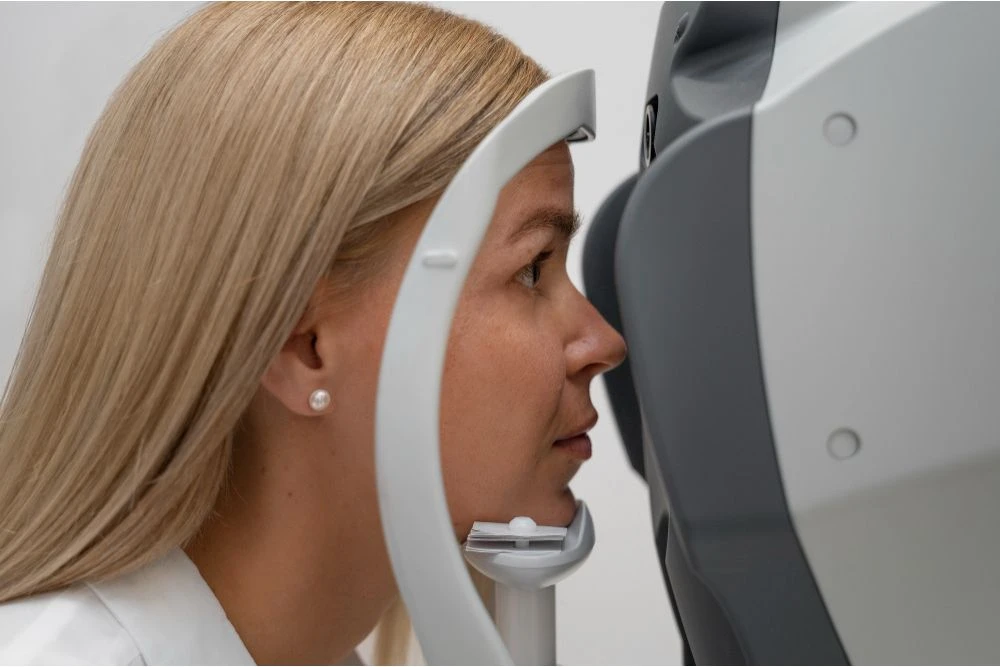

Retinal detachment is a serious eye condition that demands immediate attention to prevent permanent vision loss. For residents experiencing retinal detachment in Wesley Chapel, local clinics offer a range of advanced treatment options delivered by skilled ophthalmologists and vitreoretinal surgeons. This article explores the causes, symptoms, and cutting-edge treatments available for retinal detachment in Wesley Chapel clinics, providing a comprehensive guide to help patients understand their options and access timely care.
Understanding Retinal Detachment
The retina is a thin layer of tissue at the back of the eye that captures light and sends visual information to the brain. When the retina detaches from its underlying supportive tissue, it can lead to partial or complete vision loss if not treated promptly. Retinal detachment in Wesley Chapel is addressed by specialized clinics equipped with state-of-the-art technology and experienced professionals. There are three main types of retinal detachment:
- Rhegmatogenous Retinal Detachment: The most common type, caused by a tear or hole in the retina that allows vitreous fluid to seep underneath, pushing the retina away.
- Tractional Retinal Detachment: Occurs when scar tissue on the retina’s surface contracts, pulling it away from the eye’s back wall, often linked to diabetic retinopathy.
- Exudative (Serous) Retinal Detachment: A rare type caused by fluid buildup under the retina without a tear, often due to inflammation or tumors.
Symptoms of retinal detachment in Wesley Chapel include sudden floaters, flashes of light, blurred vision, or a shadow/curtain effect over the visual field. Recognizing these signs early and seeking care at Wesley Chapel clinics can significantly improve outcomes.
Why Choose Wesley Chapel Clinics for Retinal Detachment Treatment?
Wesley Chapel, Florida, is home to several reputable eye care centers, such as Retina Specialists of Tampa, The Eye Clinic of Florida, and St. Luke’s Cataract & Laser Institute, known for their expertise in treating retinal detachment in Wesley Chapel. These clinics employ board-certified ophthalmologists and vitreoretinal surgeons who use advanced diagnostic tools and personalized treatment plans to address complex retinal conditions. Their commitment to patient education, cutting-edge technology, and compassionate care makes them ideal choices for residents seeking treatment for retinal detachment in Wesley Chapel.
Treatment Options for Retinal Detachment
The treatment for retinal detachment in Wesley Chapel depends on the type, severity, and location of the detachment, as well as whether the macula (the part of the retina responsible for sharp central vision) is affected. Below are the primary treatment options offered by Wesley Chapel clinics:
1. Laser Photocoagulation
Laser photocoagulation is a minimally invasive procedure used to treat retinal tears or small detachments before they progress. In this procedure, a laser creates small burns around the retinal tear, forming scar tissue that seals the retina to the underlying tissue, preventing fluid from leaking underneath. This treatment is often performed on an outpatient basis in Wesley Chapel clinics and is highly effective for early-stage retinal detachment in Wesley Chapel. Patients typically experience minimal discomfort, and the procedure can prevent the need for more invasive surgery.
2. Cryopexy (Freezing Therapy)
Cryopexy is another outpatient procedure that uses a freezing probe to create scar tissue around a retinal tear, securing the retina in place. This method is particularly useful for tears located in areas difficult to access with a laser. Clinics like Retina Specialists of Tampa, known for treating retinal detachment in Wesley Chapel, often use cryopexy for patients with small retinal tears or early detachments. The procedure is quick, and patients can usually return home the same day.
3. Pneumatic Retinopexy
For certain cases of retinal detachment in Wesley Chapel, pneumatic retinopexy offers a non-surgical alternative. This procedure involves injecting a gas bubble into the eye’s vitreous cavity to push the retina back into place. The bubble holds the retina against the eye wall while laser photocoagulation or cryopexy seals the tear. Patients must maintain a specific head position for several days to keep the bubble in the correct position. Wesley Chapel clinics, such as St. Luke’s, may recommend this for detachments where the tear is located in the upper part of the retina. Notably, some clinics offer silicone oil bubbles as an alternative to gas bubbles, allowing patients to travel without restrictions, unlike gas bubbles which can pose risks during air travel.
4. Scleral Buckling
Scleral buckling is a surgical procedure used for more extensive retinal detachment in Wesley Chapel. A silicone band (scleral buckle) is placed around the eye to gently push the eye wall closer to the detached retina, relieving traction and allowing the retina to reattach. The buckle remains in place permanently but is not visible. This procedure, often performed under local or general anesthesia, is effective for rhegmatogenous detachments and is available at clinics like The Kaufman Eye Institute. Post-surgery, laser or cryopexy may be used to seal retinal tears.
5. Vitrectomy
Vitrectomy is a sophisticated surgical option for complex cases of retinal detachment in Wesley Chapel, particularly when the detachment involves the macula or is caused by scar tissue or vitreous gel traction. During a vitrectomy, the surgeon removes the vitreous gel from the eye and replaces it with a gas bubble or silicone oil to hold the retina in place. The procedure is highly precise, using advanced microsurgical techniques, and is offered by specialists like Dr. Ahmad Tarabishy at Retina Specialists of Tampa. Recovery may involve maintaining specific head positions and avoiding certain activities, but the procedure has a high success rate for reattaching the retina.
6. Combination Therapies
In some cases, Wesley Chapel clinics combine treatments, such as vitrectomy with scleral buckling, to address complex detachments. For instance, retinal detachment in Wesley Chapel caused by diabetic retinopathy may require both vitrectomy to remove scar tissue and laser therapy to manage underlying retinal damage. Clinics like The Eye Institute of West Florida tailor these combined approaches to the patient’s specific condition, ensuring optimal outcomes.
Post-Treatment Care and Recovery
Recovery from treatments for retinal detachment in Wesley Chapel varies based on the procedure. Non-surgical treatments like laser photocoagulation and cryopexy typically require minimal downtime, with patients resuming normal activities within a few days. Surgical procedures like scleral buckling or vitrectomy may require weeks of recovery, including restrictions on physical activity and specific head positioning to ensure proper healing. Wesley Chapel clinics provide detailed post-operative instructions, emphasizing regular follow-up visits to monitor retinal reattachment and visual recovery.
Patients treated for retinal detachment in Wesley Chapel are advised to avoid rubbing their eyes, heavy lifting, or activities that increase eye pressure. Vision recovery depends on factors like the duration of the detachment and macula involvement. Early intervention at clinics like St. Luke’s or The Eye Clinic of Florida significantly improves the chances of preserving vision.
Choosing the Right Clinic for Retinal Detachment in Wesley Chapel
Selecting a clinic for retinal detachment in Wesley Chapel involves considering factors like the expertise of the medical team, access to advanced technology, and patient-centered care. Here are some notable clinics:
- Retina Specialists of Tampa: Led by Dr. Ahmad Tarabishy and Dr. Evan Dunn, this clinic specializes in vitreoretinal surgery and offers personalized treatment plans for retinal detachment in Wesley Chapel. Their state-of-the-art facility at 2400 Cypress Glen Drive is equipped for both surgical and non-surgical interventions.
- St. Luke’s Cataract & Laser Institute: With a team including Dr. Remington Horesh, St. Luke’s provides comprehensive retina care, including laser surgery and vitrectomy, at their Wesley Chapel location (25232 State Road 54, Lutz).
- The Kaufman Eye Institute: Known for its advanced laser technology, this institute offers treatments like Lucentis™, Avastin®, and vitrectomy for retinal detachment in Wesley Chapel.
- The Eye Clinic of Florida: Located 25 minutes from Wesley Chapel, Dr. Ahad Mahootchi and his team provide expert surgical care for retinal detachments, emphasizing patient education and long-term outcomes.
Preventing Retinal Detachment
While not all cases of retinal detachment in Wesley Chapel can be prevented, regular eye exams are crucial for early detection of risk factors like retinal tears or posterior vitreous detachment. Clinics like Eyes On Wesley Chapel and Excellence in Eye Care, LLC, recommend annual exams, especially for those with risk factors such as high myopia, diabetes, or a history of eye trauma. Managing underlying conditions like diabetes and avoiding eye injuries can also reduce the risk.
Conclusion
Retinal detachment in Wesley Chapel is a medical emergency that requires prompt and specialized care. Local clinics offer a range of treatments, from minimally invasive laser procedures to advanced surgeries like vitrectomy and scleral buckling, tailored to the patient’s needs. With experienced specialists, cutting-edge technology, and a focus on patient care, Wesley Chapel clinics like Retina Specialists of Tampa, St. Luke’s, The Kaufman Eye Institute, and Retina Vitreous Associates of Florida are well-equipped to restore and preserve vision. At Retina Vitreous Associates of Florida, specialists like Karina Billiris Findlay, MD, and A.J. White, MD, bring expertise in vitreoretinal care, offering advanced treatments for retinal detachment in Wesley Chapel. If you experience symptoms of retinal detachment in Wesley Chapel, such as floaters or vision loss, contact a local eye care provider immediately to explore your treatment options and protect your eyesight.














Sign in to leave a comment.