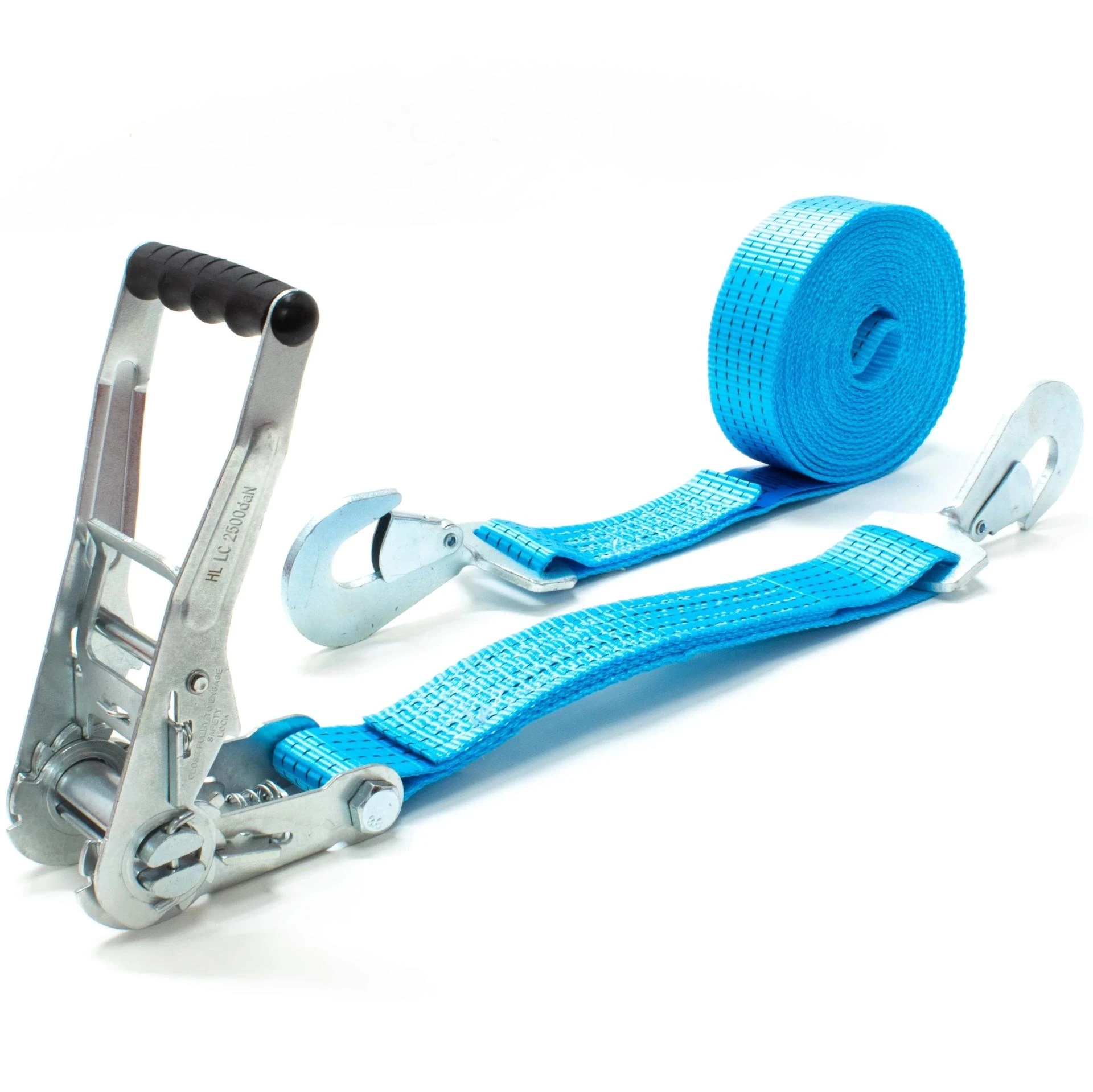

When it comes to long-distance hauling, one of the most important aspects of ensuring a safe and successful trip is securing the cargo properly. Whether transporting goods across a few states or to different countries, the use of truck straps is essential for preventing accidents, damages, and delays. Truck straps are designed to keep cargo secure during transport, minimizing the risk of shifting or falling. This article explores the importance of truck straps, the different types available, and why they are indispensable for any long-distance hauling operation.
1. Understanding Truck Straps and Their Purpose
Truck straps, also known as cargo straps or tie-down straps, are specially designed tools used to secure cargo on a truck bed, flatbed, or trailer. These straps come in a variety of materials, sizes, and mechanisms, all designed to meet different types of cargo and hauling conditions.
The Importance of Proper Cargo Securing
When hauling goods over long distances, unsecured or improperly secured loads can shift, fall, or cause damage to the goods, the truck, and even the road infrastructure. In the worst cases, shifting cargo can lead to accidents, injuries, or fatalities. This is why truck straps are crucial—they help ensure that the cargo remains stationary and secure throughout the journey, regardless of road conditions.
Factors Affecting Cargo Securing
The type of cargo, weather conditions, and the length of the journey all impact how truck straps are used. For instance, heavy equipment might require stronger, wider straps, while lighter loads could be secured with more flexible and lightweight straps. Additionally, environmental factors like rain, snow, or extreme heat can affect the durability and effectiveness of the straps.
2. Different Types of Truck Straps
Not all truck straps are created equal, and selecting the right one depends on the type of cargo being transported. Below are the most common types of truck straps, each suited to specific needs.
Ratchet Straps
Ratchet straps are one of the most commonly used truck straps for long-distance hauling due to their reliability and strength. These straps feature a ratchet mechanism that allows for precise tightening of the strap, ensuring a secure fit.
- Key Features of Ratchet Straps: Ratchet straps are made of strong polyester webbing and are designed for heavy-duty use. The ratchet mechanism provides the ability to tighten the strap to the required tension, making them ideal for securing large, heavy, or bulky loads.
- Best Uses: Ratchet straps are commonly used in trucking to secure large construction equipment, vehicles, pallets, and machinery. They are particularly effective when hauling heavy, bulky loads that need to be tightly fastened to prevent any movement during transit.
Cam Buckle Straps
Cam buckle straps are a simpler alternative to ratchet straps. These straps use a cam buckle to secure the load, and while they do not offer the same level of tension as ratchet straps, they are still highly effective for lighter to medium-duty loads.
- Key Features of Cam Buckle Straps: Cam buckle straps are easy to use, requiring only minimal effort to tighten and secure the strap. They are typically made from durable polyester or nylon webbing and feature a metal or plastic buckle that locks the strap in place.
- Best Uses: Cam buckle straps are perfect for securing lighter loads or items that don’t require as much tension. They are often used for furniture, household goods, or smaller machinery that can be secured without excessive tightness.
E-Track Straps
E-track straps are designed for use with E-track systems, which are commonly found in trucks, trailers, and storage containers. The E-track system allows for quick and easy installation of straps, making it ideal for high-frequency loading and unloading.
- Key Features of E-Track Straps: E-track straps typically come with a fitting that slides into an E-track rail, making it easy to adjust the position of the strap. These straps are available in various lengths and can be used with a variety of attachment points.
- Best Uses: E-track straps are ideal for professional haulers who need to secure items quickly and efficiently. They are commonly used in moving trucks, storage trailers, and commercial freight.
Tow Straps
Tow straps, while typically associated with towing vehicles, are also a valuable tool for securing cargo in trucks, especially in emergency or recovery situations. These straps are designed to handle the dynamic forces involved in towing, such as sudden jerks and tension.
- Key Features of Tow Straps: Tow straps are made from strong, durable materials like nylon or polyester and feature reinforced loops or hooks for attachment. They are typically rated for high-strength loads and can absorb shocks without breaking.
- Best Uses: Tow straps are useful for securing heavy, bulky loads that might experience shifting or require additional support. They are also used for emergency situations, such as pulling a stuck vehicle or moving equipment from one place to another.
3. Selecting the Right Truck Strap for the Job
Choosing the right truck strap is crucial for ensuring the safety and efficiency of your haul. The type of cargo, the strap’s load capacity, and the journey’s conditions all play a role in determining which strap is best for the job.
Load Capacity and Strength
Each truck strap is rated for a specific load capacity, and it is essential to match the strap’s strength to the weight of the cargo being hauled. Overloading a strap can result in breakage or slippage, which can lead to accidents. Always check the strap’s load rating, which is typically indicated on the strap itself or in the product specifications.
Length and Width
The length and width of the truck strap are also important considerations. The strap needs to be long enough to go around the load and attach securely to the truck or trailer. It also needs to be wide enough to distribute the tension evenly across the load. Straps that are too short or too narrow may not provide sufficient security, especially for large or irregularly shaped cargo.
Material and Durability
Truck straps are typically made from polyester, nylon, or a combination of both. Polyester is known for its strength and resistance to UV damage, making it ideal for long-distance hauling, especially in sunny or harsh weather conditions. Nylon, on the other hand, is more elastic and can absorb shock but may not be as durable in outdoor conditions. When selecting a strap, consider the material based on the expected weather and environmental conditions during the haul.
4. Proper Use and Maintenance of Truck Straps
To maximize the lifespan and effectiveness of truck straps, it is essential to use them properly and perform regular maintenance.
Correct Installation
When installing truck straps, ensure that they are properly threaded through buckles or ratchets and securely attached to both the cargo and the truck bed. Straps should be tightened to the proper tension but not over-tightened, as excessive force can damage the cargo or the strap itself.
Inspecting Straps Regularly
Before each haul, always inspect truck straps for signs of wear, such as fraying, cuts, or fading. Check the buckles, ratchets, and hooks for rust, damage, or malfunction. If a strap appears damaged or worn, it should be replaced immediately to avoid safety risks.
Storing Straps Properly
After each use, store truck straps in a dry, cool place away from direct sunlight and extreme weather. Proper storage will prevent UV damage, mildew, and other environmental factors from deteriorating the straps over time.
5. Legal and Safety Considerations
Securing cargo with truck straps is not just about ensuring the safety of the cargo—it is also about adhering to legal requirements and regulations.
Regulatory Compliance
In many regions, there are specific regulations governing the securement of cargo in trucks. These regulations often specify the types of straps required, the proper securing methods, and the load limits. Always familiarize yourself with the local laws to ensure compliance and avoid fines or penalties.
Safety Best Practices
In addition to legal requirements, it is essential to follow best safety practices when securing cargo. This includes ensuring that all straps are properly tightened, the cargo is evenly distributed, and the load is not overloaded. Regular safety checks during long-distance trips are also necessary to monitor the integrity of the straps and the cargo.
Conclusion: The Importance of Truck Straps for Safe and Efficient Hauling
Truck straps are essential tools for anyone involved in long-distance hauling. They provide the necessary tension and stability to keep cargo secure, preventing accidents, damage, and delays. By understanding the different types of truck straps, selecting the right one for each job, and maintaining them properly, haulers can ensure a safe, efficient, and successful transport operation. Whether for commercial freight, personal moves, or emergency situations, truck straps are an indispensable part of the hauling process










Sign in to leave a comment.