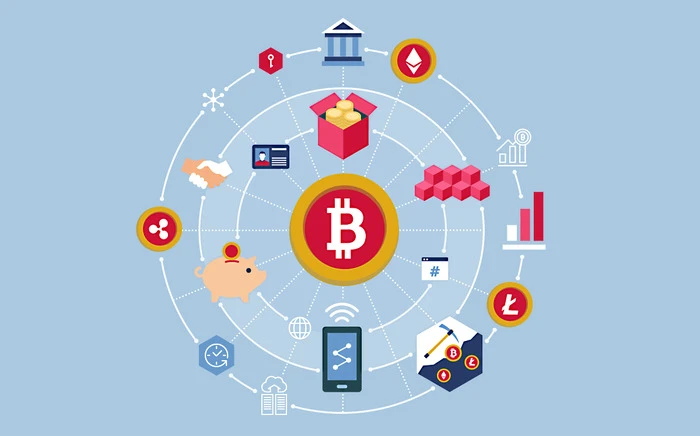

In the ever-evolving realm of finance and technology, crypto assets have emerged as a groundbreaking innovation, reshaping the way we perceive and interact with currency, investments, and digital ownership. From the pioneering Bitcoin to the burgeoning world of Non-Fungible Tokens (NFTs), the types of crypto assets are vast and multifaceted, offering a myriad of opportunities and complexities for investors, enthusiasts, and innovators alike.
Understanding the Foundation: Bitcoin and Altcoins
1. Bitcoin: The Pioneer of Cryptocurrency
Bitcoin stands as the trailblazer in the world of crypto assets, having catalyzed the inception of blockchain technology and decentralized finance. Introduced in 2009 by the pseudonymous Satoshi Nakamoto, Bitcoin revolutionized the concept of digital currency by enabling peer-to-peer transactions without the need for intermediaries like banks or financial institutions.
2. Altcoins: Diversifying the Landscape
While Bitcoin holds the spotlight as the first cryptocurrency, the subsequent emergence of altcoins has expanded the horizons of crypto assets. Altcoins, or alternative cryptocurrencies, encompass a vast array of digital currencies beyond Bitcoin, each with its unique features, functionalities, and purposes. From Ethereum to Ripple (XRP), Litecoin to Cardano, altcoins have diversified investment options and fueled innovation within the crypto ecosystem.
Beyond Currency: Exploring Utility Tokens and Security Tokens
1. Utility Tokens: Enabling Functionality
Utility tokens serve as digital assets that provide access to specific products, services, or functionalities within a blockchain ecosystem. Unlike traditional cryptocurrencies designed primarily as mediums of exchange, utility tokens offer utility or usage rights within decentralized platforms, applications, or networks. Examples of utility tokens include Ethereum's Ether (ETH), which fuels transactions and smart contracts on the Ethereum blockchain, and Binance Coin (BNB), which powers transactions and services within the Binance ecosystem.
2. Security Tokens: Bridging Traditional Finance and Blockchain
In contrast to utility tokens, security tokens represent ownership of real-world assets, such as equity, debt, or other financial instruments, in a digitized form on a blockchain. Security tokens tokenize traditional assets, enabling fractional ownership, increased liquidity, and streamlined trading on blockchain-based platforms. Security tokens adhere to regulatory frameworks governing securities, making them subject to securities laws and regulations. Examples of security tokens include tokenized stocks, bonds, real estate, and venture capital investments.
The Rise of Non-Fungible Tokens (NFTs)
1. Unlocking Digital Ownership and Creativity
Non-Fungible Tokens (NFTs) have garnered widespread attention and fascination for their ability to tokenize unique digital assets and authenticate ownership through blockchain technology. Unlike cryptocurrencies or utility tokens, which are interchangeable and fungible, NFTs represent distinct, indivisible assets, such as digital art, collectibles, virtual real estate, and in-game items. NFTs empower creators, artists, and collectors by enabling the creation, ownership, and trading of digital assets with provable scarcity, authenticity, and provenance.
2. NFT Use Cases and Applications
The versatility of NFTs extends beyond digital art, encompassing a broad spectrum of use cases and applications across various industries and sectors. From gaming and entertainment to fashion, music, and sports, NFTs are revolutionizing the concept of ownership, monetization, and value exchange in the digital age. NFT marketplaces, platforms, and ecosystems facilitate the creation, minting, trading, and showcasing of NFTs, fostering a vibrant and dynamic ecosystem of digital creativity and innovation.
Embracing the Future of Crypto Assets
As the landscape of crypto assets continues to evolve and expand, embracing innovation, regulation, and adoption will be paramount in shaping the future of finance, technology, and digital ownership. From decentralized finance (DeFi) and blockchain interoperability to tokenization of assets and decentralized autonomous organizations (DAOs), the potential of crypto assets to disrupt and transform traditional industries and economies is limitless.
In conclusion, the realm of crypto assets encompasses a diverse array of digital currencies, tokens, and assets, each with its unique features, functionalities, and use cases. From the pioneering Bitcoin to the revolutionary NFTs, the journey of crypto assets reflects the intersection of finance, technology, and digital innovation, paving the way for a decentralized and borderless future.











Sign in to leave a comment.