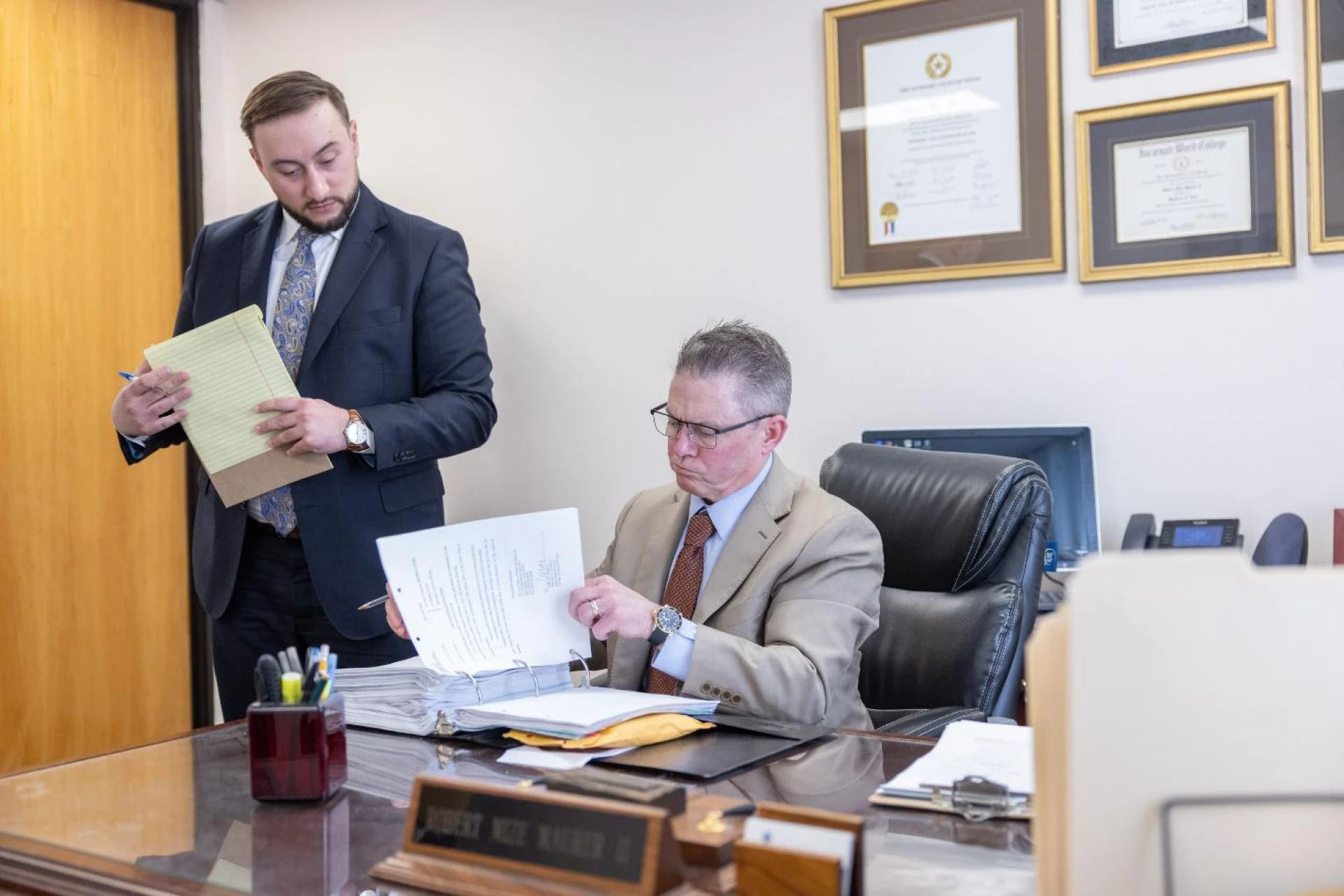

What does “consent” really mean in a court of law? In sexual assault cases, this question becomes the centerpiece of defense arguments and prosecutorial scrutiny. The issue of consent is not just about whether one party said “yes” or “no”—it’s about how that communication was expressed, perceived, and documented. And in many cases, the answer isn’t as clear-cut as it may seem at first glance.
Every year, thousands of individuals are accused of sexual offenses where consent is disputed. Over 430,000 reported sexual assaults occur annually in the United States, but many involve conflicting versions of events between the parties. These cases are often tried without physical evidence or eyewitnesses, making the alleged communication—or lack thereof—between the involved parties the central issue.
When facing such serious charges, it's essential to understand how consent is interpreted in the courtroom. That’s where having a seasoned criminal justice lawyer becomes not just helpful, but vital. With over 30 years of experience trying cases throughout San Antonio and South Texas, Robert M. Maurer II & Associates offers experienced legal representation grounded in deep ties to the local community. Available 24/7, and fluent in Spanish, the team provides a responsive, client-centered approach to each case.
This blog breaks down how consent is evaluated in sexual assault cases, what evidence courts commonly consider, and what you should know if you're facing such an accusation.
What Is Consent—and Why It’s Central in a Defense Strategy
Consent in legal terms refers to a voluntary, informed, and mutual agreement to participate in sexual activity. It must be given freely and can be withdrawn at any time. The law does not just look at whether someone said “yes” or “no,” but how that communication was conveyed and interpreted.
In sexual assault defense cases, proving consent—or at least reasonable belief in consent—can mean the difference between acquittal and conviction. The defense must often demonstrate that the accused had a valid reason to believe the encounter was consensual, even if the alleged victim disagrees in hindsight.
How Courts Assess Consent in Disputed Cases
 Courts assess consent using a variety of evidence types. Since many cases come down to “he said, she said” testimony, the smallest details often carry significant weight.
Types of evidence commonly reviewed include:
· Text messages, emails, and call logs before and after the alleged incident
· Statements made to police by both parties immediately following the event
· Witness testimony from friends, roommates, or others who interacted with either party around the time of the alleged offense
· Behavior after the event, such as returning messages, maintaining contact, or making social media posts
· Medical or forensic evidence, which may support or challenge the credibility of each party
In some cases, the court may also evaluate whether either party was under the influence of drugs or alcohol, which can impair the ability to give or perceive consent.
Mistaken Belief in Consent: A Common Defense Strategy
One of the most often used strategies in sexual assault cases is the “reasonable belief in consent” defense. This doesn’t argue that the other person explicitly agreed, but that the defendant had a reasonable and honest belief that consent was present.
This is not a loophole—it is a recognized legal standard in many jurisdictions. To support such a defense, the sexual assault criminal lawyer will typically present:
· Consistent statements made by the accused immediately after the incident
· Attempts to maintain communication with the other party post-incident
· Any signs that the accuser did not express resistance during or after the event
However, this defense can be risky and heavily depends on the specifics of the case. Juries tend to examine whether a reasonable person in the same situation would have interpreted the signals as consent.
When Alcohol or Drugs Complicate the Picture
Many allegations involve alcohol or drugs, which can make determining consent more difficult. Under the law, a person who is incapacitated cannot legally give consent. However, the threshold for incapacitation is not always obvious—being drunk does not automatically mean someone couldn’t consent, but being unconscious or unable to speak or move might.
A skilled sex assault lawyer needs to examine witness statements, toxicology reports, and behavior leading up to the event to determine how intoxication may or may not have affected both parties' judgment and ability to communicate.
What to Do If You’re Accused and Consent Is in Question
If you're facing allegations where the issue of consent is unclear or disputed, take the situation seriously from the start. Avoid contacting the other party or discussing the event publicly. Instead:
· Speak to an experienced sexual assault defense lawyer immediately
· Gather any communications (texts, emails, social media posts) from before and after the incident
· Write down your recollection of the event in as much detail as possible while it’s still fresh
Any inconsistencies in your statements can later be used against you. That’s why early legal guidance is essential.
Charged with Sexual Assault? Understanding Consent May Be the Key to Your Defense
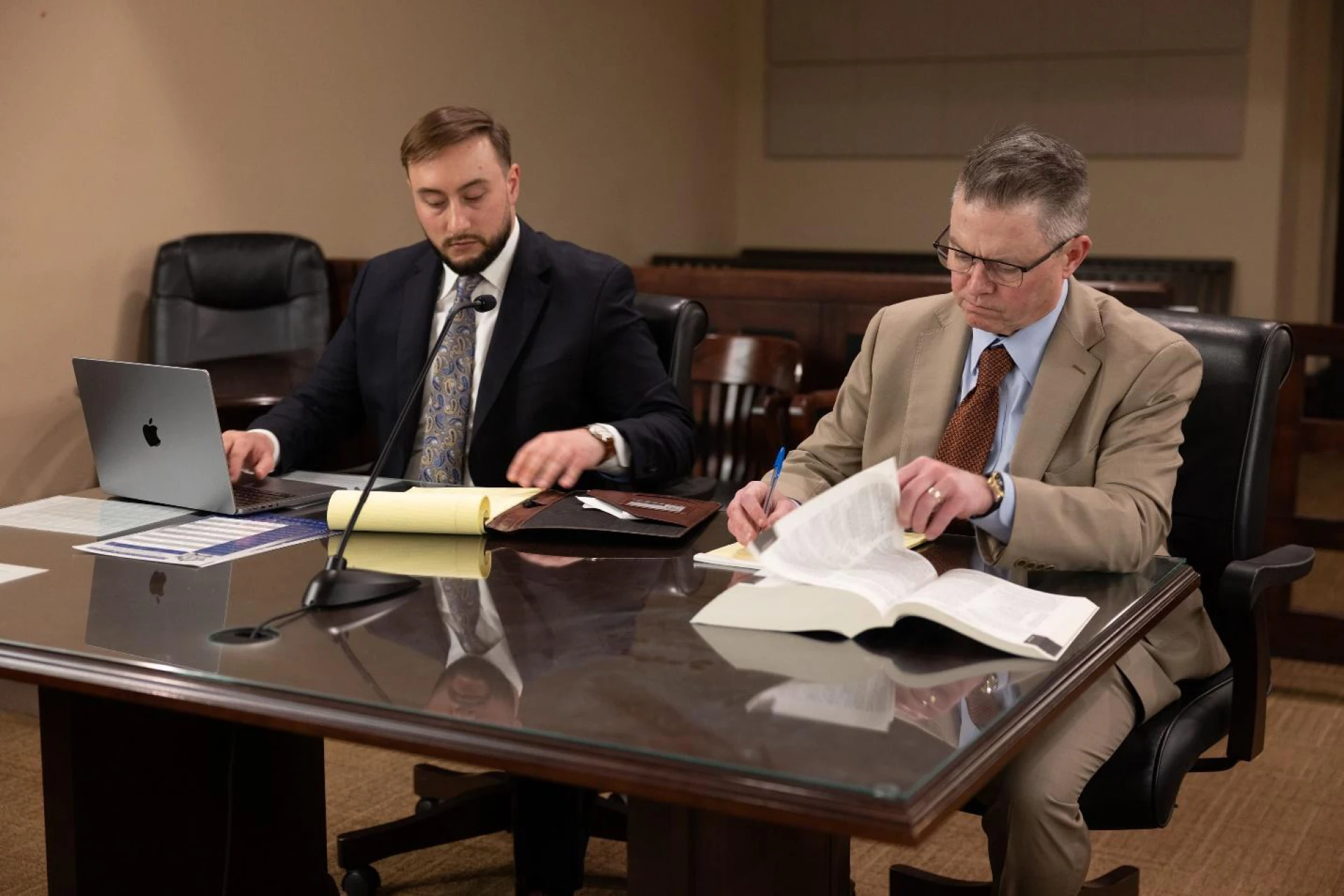 Facing an accusation where consent is at the center of the case can be overwhelming. But you don’t have to handle it alone. The Law Office of Robert M. Maurer II & Associates brings over three decades of experience defending serious criminal charges across San Antonio and South Texas. As a respected sexual assault criminal lawyer in San Antonio, Robert Maurer and his team are known for their close connection to the community, 24-hour availability, and commitment to personalized service. They understand the high stakes and work to ensure every client gets a full and fair defense.
If you or someone you care about is looking for a dedicated sex assault lawyer or a trusted criminal assault lawyer in San Antonio, contact the Law Office of Robert M. Maurer II & Associates today. With deep roots in South Texas and a proven commitment to protecting individual rights, they are one of the most experienced teams to have in your corner when the issue of consent defines the outcome.
Author Bio
The author is a legal content writer with a background in criminal justice and over a decade of experience covering defense law topics. She focuses on helping readers understand their rights and the complexities of the legal system. She is passionate about breaking down serious legal issues into clear, practical guidance.















Sign in to leave a comment.