
Partial dentures serve as an essential solution for individuals who have lost some of their natural teeth. They not only restore functionality but also enhance aesthetics, allowing patients to regain their confidence. When exploring the options available for partial dentures, it's crucial to understand the various types, materials used, and the benefits they offer. This comprehensive guide aims to shed light on the different kinds of partial dentures available locally, ensuring that individuals can make informed decisions regarding their dental health.
What are Partial Dentures?
Partial dentures are dental appliances designed to replace one or more missing teeth. Unlike complete dentures, which are used when all teeth are absent, partial dentures are ideal for those with some remaining natural teeth. These devices are typically supported by the existing teeth or soft tissues in the mouth, providing stability and comfort. They can be removable or fixed, depending on the patient's needs and preferences.
The construction of partial dentures involves careful consideration of the individual's dental anatomy and the specific locations of missing teeth. This personalized approach ensures a better fit and more effective function. As a result, patients can enjoy the benefits of improved chewing efficiency, speech clarity, and overall oral health.
Types of Partial Dentures
There are several types of partial dentures, each designed to cater to various dental needs. The choice of partial dentures often depends on the number of missing teeth, their location, and the patient's overall oral health.
Acrylic Partial Dentures
Acrylic partial dentures are one of the most common types available. They are made from a durable acrylic resin, which mimics the appearance of natural gum tissue. These dentures are lightweight and can be easily adjusted for a comfortable fit. Acrylic partials are often recommended for patients who require a temporary solution while waiting for more permanent options, such as dental implants.
One of the significant advantages of acrylic partial dentures is their affordability and ease of fabrication. They can be produced relatively quickly, making them an excellent choice for patients who need immediate restoration of their smile. However, it is essential to note that while acrylic partials are functional, they may not be as durable as other types, requiring replacement or repair over time.
Metal Partial Dentures
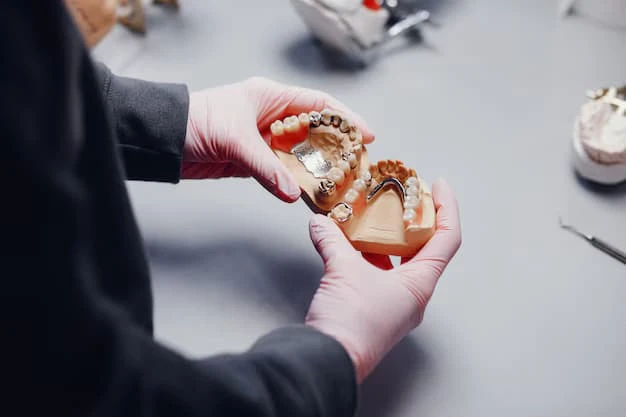
Metal partial dentures, often referred to as cast partial dentures, are another popular option. These dentures are constructed using a combination of metal framework and acrylic. The metal framework adds strength and stability, allowing the partial to withstand the forces of chewing more effectively. Additionally, metal partials are less bulky than their acrylic counterparts, providing a more natural feel in the mouth.
The design of metal partial dentures allows for a more secure fit, as the framework can be precisely crafted to contour around the existing teeth. This ensures that the partial remains stable during use. Metal partials are particularly desirable for patients who have a higher level of activity, as they offer enhanced durability and longevity.
Flexible Partial Dentures
Flexible partial dentures represent a more modern approach to tooth replacement. These dentures are made from a flexible thermoplastic material, allowing them to adapt and move with the natural contours of the mouth. This flexibility results in a more comfortable fit and reduces the risk of irritation to the gums.
One of the standout features of flexible partial dentures is their aesthetic appeal. The materials used can be designed to blend seamlessly with the natural gum tissue, making it less noticeable than traditional dentures. This characteristic is especially important for patients concerned about the visibility of their dental appliances. While flexible partials offer many benefits, they may not be suitable for all patients, particularly those with specific dental health concerns.
Caring for Partial Dentures
Proper care and maintenance of partial dentures are crucial to ensure their longevity and functionality. Patients should follow a regular cleaning routine to prevent plaque buildup and maintain oral hygiene. Rinsing the dentures after meals and using a soft-bristle toothbrush designated for denture cleaning can help keep them in optimal condition.
Additionally, it’s essential to schedule regular check-ups with a dental professional, who can assess the fit and condition of the partial dentures. During these visits, any necessary adjustments can be made to enhance comfort and functionality.
Conclusion
In summary, understanding the different types of partial dentures available locally can significantly impact a patient's dental health and overall quality of life. Whether opting for acrylic, metal, or flexible partial dentures, individuals can find solutions tailored to their unique needs. The right choice will not only restore their smile but also improve their ability to eat, speak, and engage with confidence.
For those seeking expert guidance and high-quality dental solutions, OD's Dental Laboratory, Inc. stands out as a reliable option. With a commitment to providing personalized care and a range of denture options, they are well-equipped to assist patients in navigating their dental journey. Remember, when searching for "partial dentures near me," consider reaching out to OD's Dental Laboratory, Inc. to explore the best possible solutions for your dental needs.











Sign in to leave a comment.