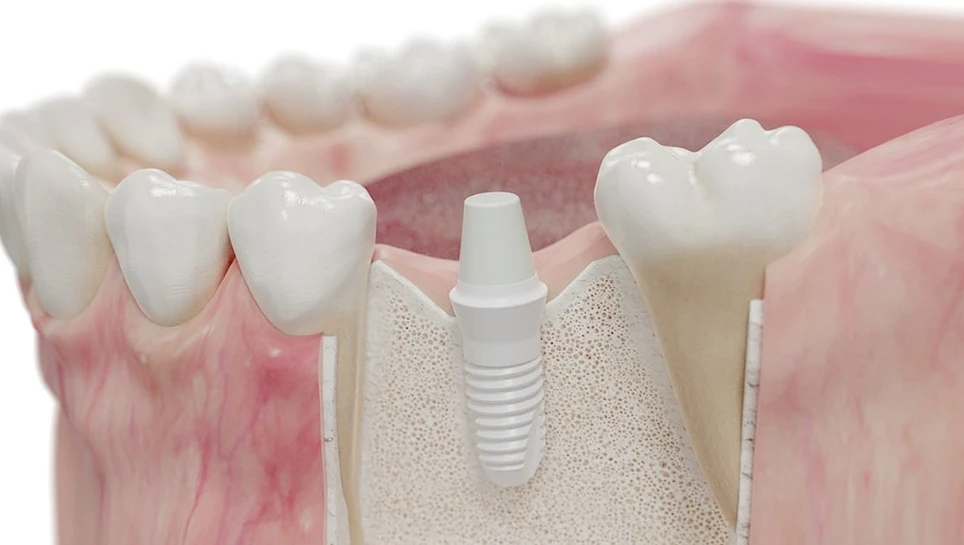

In recent years, the landscape of dental restoration has witnessed a remarkable transformation, particularly with the advent of ceramic dental implants. As the demand for more aesthetically pleasing and biocompatible options grows, ceramic implants have emerged as a compelling alternative to traditional titanium implants. This shift is not merely a trend; it reflects a deeper understanding of patient needs and the evolving nature of dental technology.
The Appeal of Aesthetics and Biocompatibility
The allure of ceramic dental implants largely stems from their superior aesthetic properties. Unlike metal implants, which can sometimes lead to a greyish tint at the gum line, ceramic implants offer a tooth-like appearance that blends seamlessly with natural dentition. This is particularly important for individuals who require implants in the front of the mouth, where aesthetics play a pivotal role in overall facial harmony. Patients increasingly desire a solution that not only restores functionality but also enhances their smile, and ceramic implants deliver on both fronts.
Moreover, the biocompatibility of ceramic materials is another significant advantage. Traditional titanium implants, while effective, can occasionally cause allergic reactions or sensitivities in some patients. In contrast, ceramic implants are made from materials that are less likely to trigger adverse reactions, making them an ideal choice for those with metal allergies or sensitivities. The integration of ceramic into the jawbone is also often more seamless, resulting in a more stable and long-lasting solution. This biocompatibility aligns with a broader trend in healthcare towards more natural and organic materials, reflecting a growing awareness of the body’s response to various substances.
Technological Advancements Driving Adoption
The rise of ceramic dental implants can also be attributed to advancements in dental technology and material science. Over the past decade, the development of high-strength ceramics has paved the way for implants that are not only aesthetically pleasing but also robust enough to withstand the forces of chewing and biting. Innovations in manufacturing processes have led to the creation of zirconia implants, which exhibit remarkable strength and resilience, comparable to that of traditional titanium.
Furthermore, digital dentistry has played a crucial role in the success of ceramic implants. With the integration of 3D imaging and computer-aided design (CAD), dental professionals can now achieve precise measurements and create custom implants tailored to individual patients. This level of customization ensures a more accurate fit and significantly enhances the overall outcome of the procedure. As a result, the success rates of ceramic dental implants have improved dramatically, encouraging more practitioners to offer these solutions to their patients.
Patient-Centric Choices and Preferences
As healthcare becomes increasingly patient-centric, the preferences and concerns of individuals seeking dental implants cannot be overlooked. Many patients are actively seeking out options that align with their values, including sustainability and health-conscious choices. Ceramic dental implants, often derived from natural materials, resonate with these values. Patients are more informed than ever about the materials used in their bodies, and the desire for non-metal alternatives has never been stronger.
In many cases, the conversation surrounding ceramic dental implants begins long before the actual procedure. Dentists find themselves educating patients not just about the benefits, but also about the long-term implications of their choices. As more dental professionals embrace these conversations, the stigma surrounding dental implants, particularly ceramic ones, diminishes. The emphasis on patient education fosters a sense of empowerment, enabling individuals to make informed decisions about their oral health.
Challenges and Considerations
Despite the many advantages of ceramic dental implants, there are still challenges and considerations that both practitioners and patients must be aware of. One of the primary concerns is the cost associated with these implants. While prices can vary, ceramic implants are often more expensive than their titanium counterparts, primarily due to the manufacturing processes involved. Patients may need to weigh the benefits against the costs, considering their financial situations and the long-term value of the investment.
Additionally, while the success rates for ceramic implants have improved, they may still not be as well-established in certain complex cases compared to titanium. Dental professionals need to assess each patient's unique anatomy and health history before determining the best approach. In some instances, titanium may still be the preferred choice, particularly in cases involving significant bone loss or other complicating factors. Open communication between the patient and the dentist is essential in navigating these decisions.
Future of Ceramic Dental Implants
Looking ahead, the future of ceramic dental implants appears promising. As research continues to evolve, we can expect further innovations that enhance both the performance and aesthetic qualities of these implants. Emerging technologies such as bioprinting and regenerative medicine may soon play a role in the development of even more advanced implant options, potentially revolutionising the field further.
There is also a growing interest in the long-term performance of ceramic dental implants, particularly regarding their durability and wear over time. Continuous studies and clinical trials are essential in providing the data needed to support their widespread use. As more evidence emerges, practitioners will be better equipped to recommend ceramic implants as a viable solution for a broader range of patients.
In summary, the rise of ceramic dental implants signifies a pivotal shift in the dental restoration landscape. With their aesthetic appeal, biocompatibility, and advancements in technology, these implants represent not just a trend, but a meaningful evolution in how we approach dental health. As patients continue to seek solutions that align with their values and preferences, ceramic dental implants are poised to become an integral part of the dental profession's offerings, promising a brighter, more confident smile for many.










Sign in to leave a comment.