The allure of wall hangings that depict mythical creatures has captivated art lovers and collectors for centuries, blending legend, craftsmanship, and visual storytelling. These works often portray scenes inspired by purity, strength, and magical symbolism, with intricate designs revealing cultural and historical influences. From the detailed threads of a unicorn medieval tapestry to contemporary adaptations, these pieces offer both aesthetic beauty and a connection to history. Modern interiors increasingly embrace tapestries not just as decoration, but as statements of heritage and artistry. Understanding the evolution of these creations provides insight into their enduring appeal and practical use in homes today.
The Origins of Medieval Unicorn Tapestries
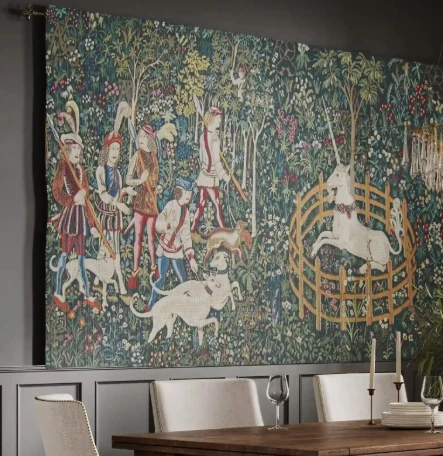
Artistic creations in the Middle Ages were highly prized for both their craftsmanship and symbolic meaning. Many pieces were commissioned by European nobility and churches to convey spiritual or moral themes, often portraying unicorns as symbols of purity, chastity, and divine grace. A classic example of a medieval unicorn tapestry is the famous Unicorn Hunt series from the late 15th century, where detailed landscapes, flora, and fauna intertwine with mythological storytelling. These tapestries were woven using wool and silk, creating durable yet luxurious pieces. Collectors and historians regard these works as both artistic masterpieces and cultural artifacts, reflecting societal values of their time.
Symbolism and Cultural Significance
Certain wall hangings carry rich layers of meaning, bridging mythology and historical symbolism. In many cultures, the unicorn was believed to be untamable except by purity and virtue, which is frequently illustrated through allegorical scenes. The intricate designs often feature flora such as millefleurs, adding texture and depth, while surrounding motifs underscore the narrative of the unicorn’s mystical nature. A notable unicorn tapestries piece demonstrates how symbolism and decorative artistry merge, serving both aesthetic and functional roles in historic interiors. Even today, these motifs inspire contemporary artists, reflecting the ongoing fascination with these mythical creatures.
Evolution into Modern Design
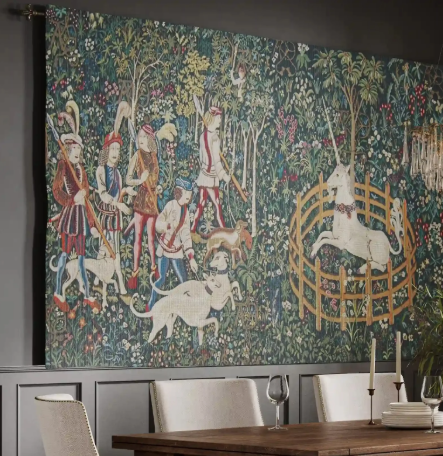
While original creations were handwoven with traditional techniques, designers today have adapted these concepts to contemporary interiors. Artists now use computerized Jacquard looms, sustainable fibers, and mixed materials to create versions that maintain historical inspiration while meeting modern aesthetic and functional needs. Many contemporary tapestries incorporate three-dimensional elements, abstract designs, or modular forms, making them suitable for varied applications—from wall hangings and framed art to room dividers and upholstery panels. A modern unicorn tapestries example retains mythological symbolism while offering practical benefits like sound absorption and durability, bridging historical artistry with current design trends.
Choosing and Displaying Unicorn Tapestries
Selecting an appropriate piece requires consideration of size, material, and placement to enhance both aesthetic and functional aspects of a space. Lightweight fabrics like linen or cotton blends work well for framed panels, whereas heavier wool tapestries are ideal for wall insulation or creating a visual focal point. Patterns and motifs should align with the intended room style, whether traditional, eclectic, or modern. Display methods, including rods, stretchers, or ceiling hangings, can influence both preservation and presentation. A well-chosen unicorn medieval tapestry can transform interiors into immersive experiences, blending storytelling, artistry, and functionality seamlessly.
Conclusion
The enduring charm of these creations lies in their blend of myth, artistry, and functionality, making them timeless additions to any interior. From medieval masterpieces to modern interpretations, these works continue to inspire and elevate spaces while connecting owners to cultural heritage. Thoughtful selection ensures both beauty and practicality, and for those seeking a personal touch, a customized tapestry can merge artistic tradition with contemporary taste. Whether displayed as a statement wall piece or integrated into everyday décor, these tapestries offer a unique way to celebrate history, art, and personal style.













Sign in to leave a comment.