

Introduction
Key Stage Two Science (KS2 Science) is a fundamental stage in a pupil’s education, expanding on the early years of learning to foster a deeper understanding of scientific concepts. The main purpose of KS2 Science is to build students’ scientific knowledge and critical thinking skills through engaging science lessons, hands-on experiments, and interactive learning experiences. This guide explores how to enhance learning through practical activities, quizzes, and science resources aligned with the national curriculum.
The Importance of Conceptual Understanding in KS2 Science
Scientific enquiry is key to helping pupils grasp essential science topics. Through structured science activities that promote questioning and noticing patterns, students develop a strong foundation in scientific vocabulary and evidence-based reasoning. Understanding the life cycle of animals, the structure of plants, and the function of the human body enables pupils to establish meaningful connections between concepts and real-world applications, fostering critical thinking skills.
Core Science Topics in the National Curriculum
The KS2 science curriculum covers essential science topics, ensuring students develop a comprehensive understanding of:
- Living Things and Their Habitats: Exploring different ways organisms adapt to their environments and how habitats influence survival.
- Animals, Including Humans: Studying the human body, life cycles, and interdependent ecosystems.
- Materials and Their Properties: Investigating physical processes and the unique characteristics of different materials.
- Forces and Magnets: Understanding fundamental scientific ideas related to gravity, friction, and magnetism.
- Earth and Space: Encouraging students to ask scientific questions about celestial bodies and their interactions.
By integrating science resources such as secondary sources, interactive reading materials, and engaging science lessons, educators can help pupils meet the expected standard for their key stage while deepening their conceptual understanding.
Engaging Science Activities for Key Stage 2 Science
Science activities play a vital role in stimulating curiosity and engagement in KS2 Science. Effective activities include:
Conducting Scientific Enquiry through Experiments
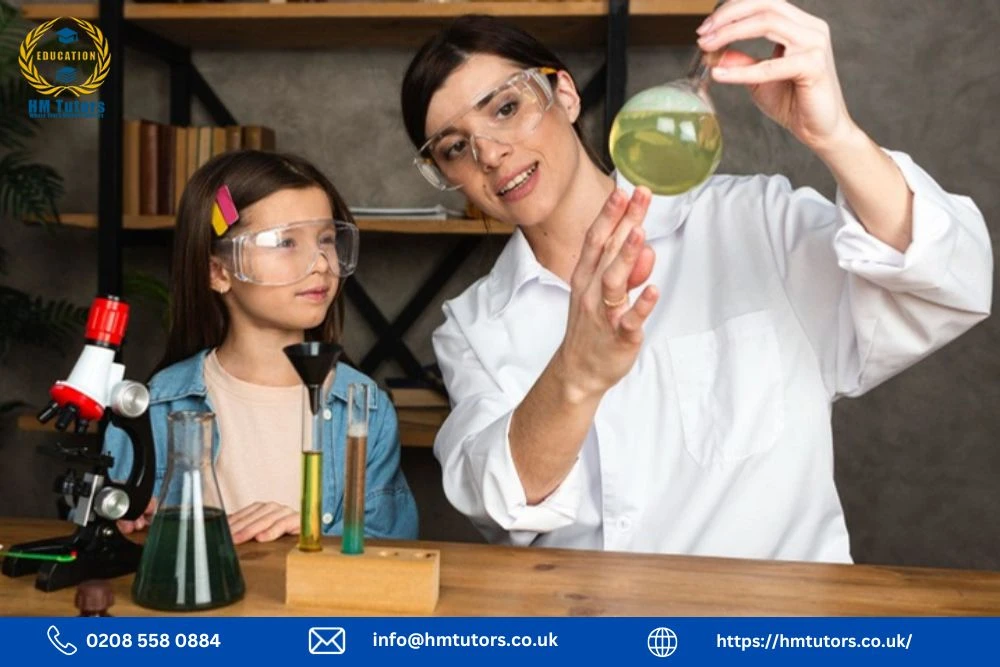
Practical experiments allow pupils to explore scientific concepts firsthand. Examples include:
- Investigating Plant Growth: Examining how varying conditions affect seed germination and plant development.
- Exploring Forces: Using different materials to observe the effects of gravity, friction, and air resistance.
- Examining Chemical Reactions: Mixing common household substances to demonstrate gas production and reaction outcomes.
These activities help students develop a deeper understanding of scientific knowledge while enhancing their ability to notice patterns and draw evidence-based conclusions.
Encouraging Critical Thinking with Scientific Questions
Promoting analytical thinking through inquiry-based learning is essential. Teachers can encourage students to explore questions such as:
- Why do some materials conduct electricity better than others?
- How does habitat influence the life cycle of an animal?
- What impact do physical processes have on environmental changes?
By investigating these topics from different perspectives, students enhance their understanding of scientific ideas and improve their problem-solving skills.
Using Quizzes and Interactive Resources
Science quizzes and interactive resources provide a fun, engaging way to reinforce learning. Quizzes covering topics such as the human body, plants, and materials help pupils retain scientific vocabulary and test their understanding effectively.
Exploring Science Through Physical Education
Integrating science learning with physical education offers dynamic, hands-on experiences. Examples include:
- Human Body Relay Races: Identifying bones, muscles, and organs through movement-based challenges.
- Outdoor Habitat Exploration: Observing and categorising plants and animals in their natural environments.
These methods encourage active participation while making science lessons more interactive and memorable.
The Role of Science Resources in Enhancing Learning
High-quality science resources enable educators to deliver structured, engaging science lessons. Essential resources include:
- Reading Materials: Books and articles that simplify scientific concepts in an accessible way.
- Science Kits: Hands-on kits that provide opportunities for practical exploration of KS2 science topics.
- Digital Resources: Online simulations, educational videos, and interactive games that visualise complex scientific processes.
By integrating these resources into lesson plans, educators ensure pupils achieve the expected standard in KS2 Science while fostering an enthusiasm for discovery.
Supporting Pupils in Lower Key Stage and Transitioning to Higher Levels
Students in lower key stage years benefit from exposure to early scientific enquiry. Encouraging observation-based activities and simple experiments helps build confidence and curiosity in science. As pupils progress, structured science lessons incorporating increasingly complex concepts ensure they develop a strong foundation for future scientific study.
FAQs
- Why is conceptual understanding important in Key Stage Two Science?
- Conceptual understanding helps pupils connect scientific concepts with real-world applications, fostering critical thinking and problem-solving skills.
- What are some key science topics covered in the national curriculum for KS2 Science?
- Topics include living things and their habitats, the human body, materials and their properties, forces and magnets, and Earth and space.
- How do science activities enhance learning in KS2 Science?
- Hands-on experiments, quizzes, and interactive lessons encourage curiosity, reinforce scientific vocabulary, and help students notice patterns.
- What role do science resources play in KS2 Science education?
- Reading materials, science kits, and digital resources help students achieve the expected standard by making learning engaging and accessible.
- How can physical education be integrated into KS2 Science lessons?
- Activities like human body relay races and outdoor habitat explorations combine movement with scientific enquiry, making lessons interactive and memorable.
Conclusion
Key Stage Two Science is a critical phase in a child’s education, developing their scientific thinking, reasoning skills, and problem-solving abilities. By incorporating engaging science activities, high-quality resources, and effective teaching strategies, educators can inspire pupils to explore scientific enquiry with confidence. Through hands-on experiments, quizzes, and reading materials, students can gain a comprehensive understanding of scientific knowledge while meeting national curriculum standards and fostering a lifelong passion for science.
HM Tutors provides expert-led KS2 Science tuition, using structured activities and high-quality resources to enhance conceptual understanding and scientific enquiry skills.











Sign in to leave a comment.