

In today\'s fast-paced world, where unpredictability is the norm, the need for competent professionals capable of handling challenging situations with finesse has never been greater. One such area where expertise is paramount is in the realm of Physical Intervention and Management of Violence and Aggression (PMVA). But what exactly does PMVA entail, and why is obtaining a PMVA training certificate crucial for those working in high-stress environments?
Understanding PMVA: The Key to Ensuring Safety and Well-being
What is PMVA?
PMVA, short for Physical Intervention and Management of Violence and Aggression, refers to a set of techniques and strategies designed to effectively manage situations involving violence or aggression, while prioritizing the safety and well-being of all individuals involved.
Why is PMVA Training Important?
Ensuring Safety in High-Stress Environments
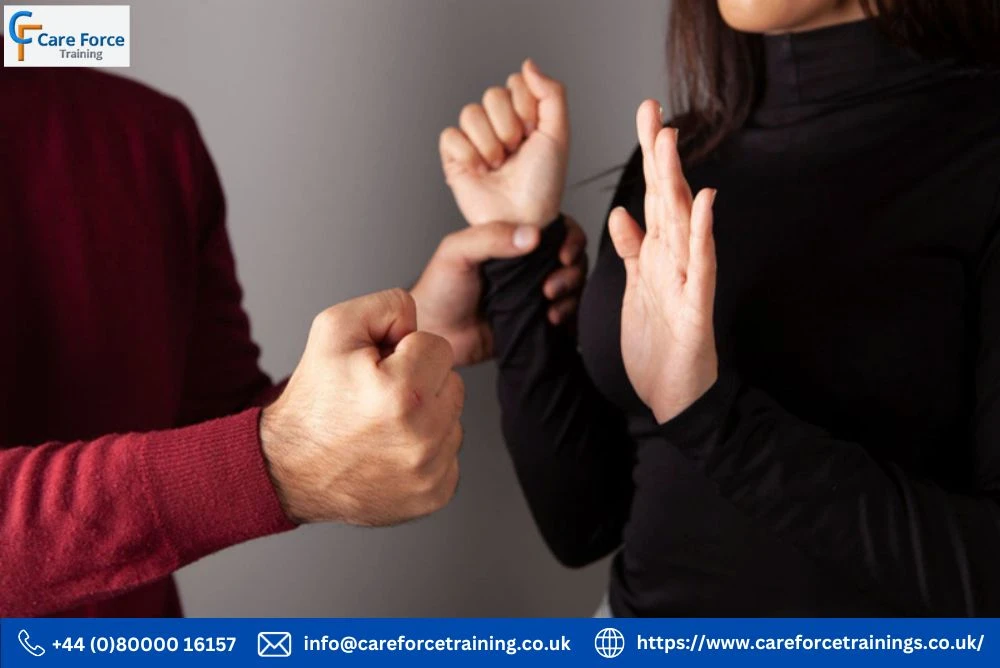
In environments such as healthcare facilities, educational institutions, and security settings, confrontations and incidents of violence can occur unexpectedly. PMVA training equips professionals with the skills and knowledge needed to de-escalate situations and prevent harm to themselves and others.
Compliance with Regulations and Standards
Many industries have specific regulations and standards in place regarding the management of violence and aggression. Obtaining a PMVA training certificate ensures compliance with these regulations, reducing liability and mitigating risks for organizations.
Benefits of PMVA Training
Enhanced Confidence and Competence
By undergoing PMVA training, individuals gain confidence in their ability to handle challenging situations effectively. Through simulated scenarios and hands-on practice, trainees develop the skills necessary to respond calmly and decisively in real-world situations.
Improved Communication Skills
Effective communication lies at the heart of successful conflict resolution. PMVA training emphasizes the importance of communication techniques such as active listening and empathy, enabling professionals to defuse tense situations before they escalate.
Protection of Individuals\' Rights and Dignity
In the heat of the moment, it can be easy for emotions to override rational behavior. PMVA training emphasizes the importance of respecting individuals\' rights and dignity, even in challenging circumstances, ensuring that interventions are carried out with professionalism and integrity.

The Journey Towards PMVA Certification: What to Expect
Training Curriculum Overview
Theoretical Foundations
PMVA training typically begins with an overview of the theoretical principles underpinning effective conflict management and de-escalation techniques. Trainees learn about the psychological factors influencing behavior and the importance of self-awareness in conflict situations.
Practical Skills Development
Hands-on training is a central component of PMVA courses, allowing participants to practice and refine their physical intervention techniques in a controlled environment. Through role-playing exercises and scenario-based simulations, trainees gain valuable experience in applying their knowledge in realistic situations.
Certification Process
Assessment and Evaluation
To obtain a PMVA training certificate, participants must demonstrate proficiency in both theoretical knowledge and practical skills. Assessment methods may include written exams, practical demonstrations, and scenario-based assessments, ensuring that trainees are competent and capable of applying their learning in real-world scenarios.
Accreditation and Recognition
PMVA courses accredited by reputable organizations such as the British Institute of Learning Disabilities (BILD) carry significant weight in the industry. Upon successful completion of training, participants receive a recognized certificate that serves as a testament to their competence and professionalism.
Frequently Asked Questions (FAQs)
Q: Is PMVA training suitable for professionals in all industries?
A: Yes, PMVA training is beneficial for professionals working in a wide range of industries, including healthcare, education, security, and social services. The skills learned in PMVA training are applicable across various contexts where conflict management and de-escalation are essential.
Q: How long does it take to complete PMVA training?
A: The duration of PMVA training can vary depending on the specific course and provider. However, most PMVA courses range from a few days to a week in duration, with a combination of theoretical learning and practical skill development.
Q: Is PMVA training mandatory for certain professions?
A: While PMVA training may not be mandatory in all professions, many organizations require their employees to undergo PMVA training as part of their duty of care responsibilities. Additionally, certain industries may have regulatory requirements mandating PMVA training for specific roles.
Q: What distinguishes BILD-accredited PMVA courses from others?
A: BILD accreditation signifies that a PMVA course has been rigorously assessed and meets the highest standards of quality and professionalism. BILD-accredited courses adhere to strict criteria set by the British Institute of Learning Disabilities, ensuring that participants receive comprehensive and reputable training.
Conclusion
In conclusion, obtaining a PMVA training certificate is not just a professional requirement; it\'s a commitment to ensuring safety and well-being in high-stress environments. By equipping individuals with the necessary skills and confidence to manage violence and aggression effectively, PMVA training plays a crucial role in creating safer workplaces and communities. Whether you work in healthcare, education, security, or any other field where conflicts may arise, investing in PMVA training is investing in professional excellence and peace of mind. So, take the next step towards obtaining your PMVA training certificate and embark on a journey towards a safer and more secure future.













Sign in to leave a comment.