

When people suffer from trauma, it may be hard to see the inside apart from scanning. But by checking the pupils of the eyes, it would be easier to understand the impact of the trauma or similar issues. This is the prime secret of the eyes, which can perform lots of work other than just seeing things.
Pupillometry is a practice that made changes in optometry a long time ago. In recent years, the same practice has changed the way we look forward to other medical measurements. Heart ailment and other factors might just get noticed by pupillary evaluation. There are several neurological tools used by modern doctors that may contribute largely to pupillometry. The advanced tools can check the visions and dilatation of the pupils to provide the metrics of trauma and other neurological disorders that might affect visual and general well-being.
Pupillary examination depends on the assessment of two cranial nerves – the optic nerve or CN II and the oculomotor nerve or CN III. Any dysfunctions in the cranial nerves and their behavior may indicate an increased risk of brain herniation.
Evaluation of Pupillary Reaction
In regard to understanding the pupillary reaction, the condition where the pupils are being tested should be noticed. Pupils dilate as per the condition or ambience. Therefore, subjectively understanding the pupillometry by manual assessment may not be completely accurate. The evaluation of pupillary reaction should take place with proper machinery.
As per Stanford Medicine, pupillary constriction is a “balance between sympathetic and parasympathetic nervous systems”. The modern machines used for evaluation of pupillary reaction can check out whether one pupil is larger than another (Anisocoria), or whether the eyes are offering responses as usual. The direct responses must be checked to find out any potential neurological defect.
NPI Pupillometer
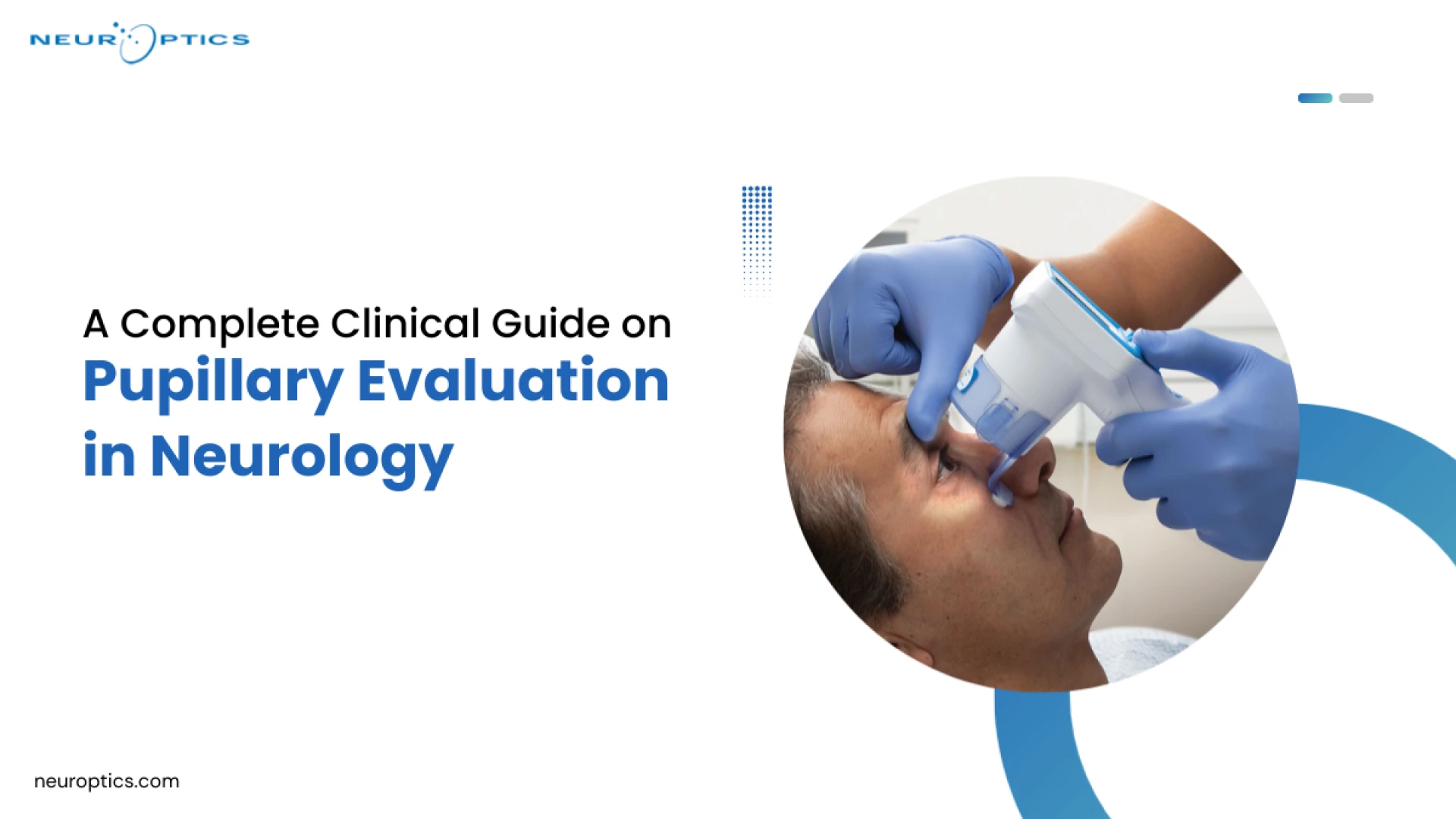
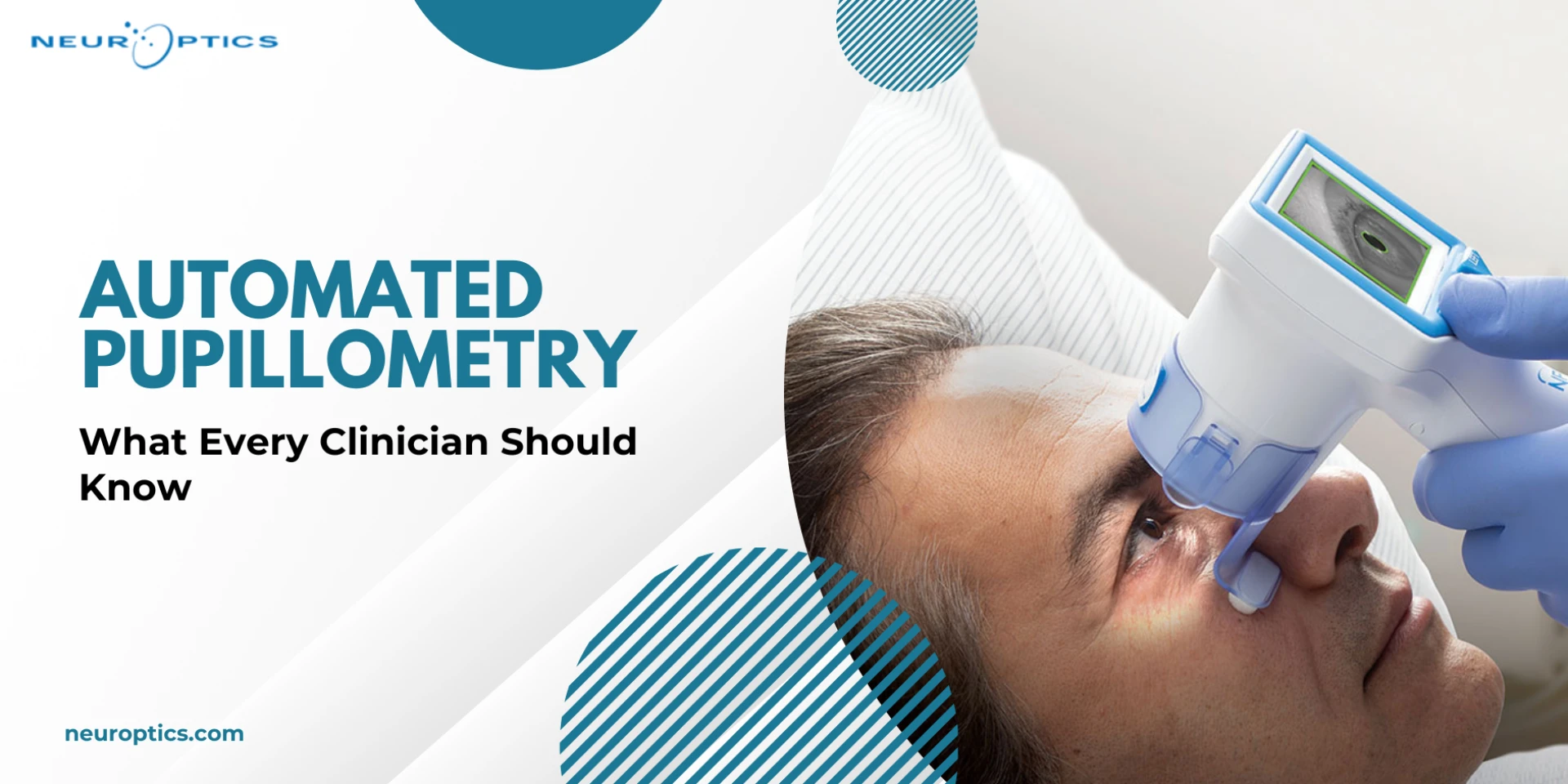
The NPI Pupillometer can be used in this regard to find out the metrics properly and authentically. The pupillometer eliminates subjectivity related to manual checkups. The handheld noninvasive device provides reliable and objective pupillary measurements. It shows the size of the pupil through an advanced process. The machine stimulates pupil constriction with a gentle flash of light, where the infrared camera captures 90 images in 3 seconds. A total of 168 paired images would be taken for pupillary assessment.
The NPI Pupillometer comes in multiple advanced variants. The recent one, NPI-200 Pupillometer perfectly serves the objective of pupillary evaluation for every person. The same pupillometer can be useful to detect traumatic brain injury or TBI, ischemic and hemorrhagic stroke.
Pupil Evaluation for Neurocritical Care
TBI
NPI-200 Pupillometer provides a great edge for measuring hypertension in the cranial nerves. It can show the traumatic brain injury or TBI responses through advanced pupillometry or pupillary evaluation. It may lead the path for various neurological examinations that may help decide the severity of the TBI.
Ischemic or Hemorrhagic Stroke
For Ischemic or Hemorrhagic stroke, the NPI is likely to be <3.0, which signs a worsening condition after the stroke. It may often be <2.8, which may help doctors decide what steps should follow to treat the patient.
Cerebral Edema
Cerebral edema can initiate many related conditions, which generally require a neuro exam for detection. However, with advanced pupillometry, the dilatation of the pupils can help understand the severity of cerebral edema. The same can be considered for an increased ICP, where an NPI-pupillometer can help the process of further neurological diagnosis.
SE or Status Epilepticus
Pupillometry can also be used to detect epilepsy by NPI-based measurements of the left and right pupils.
Critical Illness Detection
Cardiac Arrest
Cardiac arrest is a common form of illness that usually remains undetectable unless the patient feels any discomfort. Pupillometry or pupil measurement can help detect possible cardiac arrest and eventually help avoid a disaster. However, there is confusion regarding the results, as pupil size evaluations under specific conditions, even with an NPI Pupillometer, may arguably affect the decisions regarding cardiac arrest scares for a person.
AMS or Altered Mental Status
The applications of pupillometer and NPI have already been proved for patients with AMS or Altered Mental Status. Up to 10% of ED patients have AMS, which can be detected by the evaluation of pupillary reaction with advanced tools.
In short, modern neurological assessments are broadly dependent on advanced pupillometry, as it helps detect most of the acute problems before or immediately after the disaster hits.












Sign in to leave a comment.