As urban populations continue to rise, cities face growing challenges in food security, sustainability, and public health. Traditional agricultural systems, often located far from urban centers, rely on long-distance transportation, contributing to greenhouse gas emissions and food waste. In response, urban farming the practice of growing food within city limits is emerging as a powerful solution.
Urban farming transforms underutilized city spaces rooftops, balconies, backyards, and even vertical walls into productive farms. These city-based agricultural systems bring food closer to consumers, promote sustainability, and encourage community engagement. This article explores the rise of urban farming, its methods, benefits, challenges, and its role in building climate-smart and resilient cities.
What is Urban Farming?
Urban farming refers to the cultivation, processing, and distribution of food in or around urban areas. Unlike traditional rural farming, it makes efficient use of limited space through innovative techniques. Urban farming can be commercial, community-based, or a hobby for individuals and families.
Popular forms of urban farming include:
- Rooftop gardens
- Vertical farming
- Hydroponics and aquaponics
- Community gardens
- Balcony and backyard farming
- Indoor farming with LED grow lights
Urban farms can grow vegetables, herbs, fruits, and even raise small livestock or fish, depending on local laws and available space.
Why Urban Farming Matters
1. Food Security in Urban Areas
As cities expand, so does the demand for fresh, affordable food. Urban farming reduces dependence on external supply chains, making cities more self-sufficient. It ensures consistent access to nutritious produce, especially in food deserts areas with limited access to fresh groceries.
2. Climate Smart Agriculture
Urban farming practices often use fewer resources and produce less waste. Techniques like hydroponics and drip irrigation conserve water. Growing food locally cuts down on transportation emissions, supporting climate-smart agriculture. Rooftop gardens also help regulate urban temperatures and improve air quality.
3. Community and Education
Community gardens and school-based farms foster social cohesion and educate people about sustainability, nutrition, and the environment. They empower individuals with practical farming skills and encourage healthier lifestyles.
Types of Urban Farming Techniques
Urban farmers use creative and compact methods to grow food in limited space. Some popular systems include:
1. Rooftop Farming
Rooftop farms utilize the flat roofs of buildings to grow crops in soil beds or containers. These gardens absorb sunlight and rainwater, reduce the urban heat island effect, and improve building insulation. Some even incorporate rainwater harvesting and composting systems.
2. Vertical Farming
Vertical farming involves growing crops in stacked layers, often indoors. It uses controlled environments with artificial lighting, such as LED grow lights, and often employs hydroponic or aeroponic systems. This method saves space and allows year-round crop production.
3. Hydroponics
Hydroponic farming grows plants without soil, using nutrient-rich water instead. This method allows faster plant growth and reduces water usage by up to 90%. Hydroponic systems can be set up in small apartments, greenhouses, or containers.
4. Aquaponics
Aquaponics combines hydroponics with aquaculture (raising fish). Fish waste provides nutrients for plants, and the plants help purify the water, creating a closed-loop, sustainable system. It’s ideal for growing vegetables and raising fish in urban settings.
5. Container Gardening
Using pots, tubs, or recycled containers, people grow food on balconies, terraces, or windowsills. This method is highly accessible and ideal for beginners or those with very limited space.
Benefits of Urban Farming
Urban farming offers a wide range of social, economic, and environmental benefits:
1. Local and Fresh Produce
Food grown in the city doesn’t need to travel long distances. This means it reaches consumers faster, retaining more nutrients and flavor. It also reduces the carbon footprint associated with transport and refrigeration.
2. Job Creation and Entrepreneurship
Urban agriculture can generate employment in areas like farming, equipment supply, food processing, and delivery. It also encourages urban dwellers to become entrepreneurs, selling produce at local markets or through farm-to-table services.
3. Efficient Use of Space
Urban farming turns unused spaces rooftops, vacant lots, and walls into productive areas. Vertical systems and compact hydroponic setups allow farmers to grow more food in less space.
4. Waste Reduction and Recycling
Composting food waste into fertilizer and collecting rainwater for irrigation are common practices in urban farms. This reduces landfill use and promotes sustainable waste management.
5. Environmental Improvement
Urban green spaces improve air quality, reduce noise pollution, and enhance biodiversity. Green roofs help absorb heat, reducing the need for air conditioning and lowering overall energy consumption.
6. Health and Wellness
Growing your own food promotes healthier eating habits. Exposure to green spaces also improves mental health and provides physical activity, which is especially valuable in densely populated urban areas.
Challenges in Urban Farming
Despite its benefits, urban farming faces several obstacles:
1. Limited Space
Urban areas are densely populated, and land is expensive. Farmers must compete with housing and commercial development. Creative solutions like vertical and rooftop farming help address this issue.
2. Legal and Regulatory Hurdles
Zoning laws, building codes, and food safety regulations can restrict urban farming practices. Some cities lack clear policies supporting small-scale agriculture within city limits.
3. High Initial Costs
Technologies like hydroponics, vertical systems, and smart irrigation require upfront investment. Although costs often reduce over time, they may be prohibitive for low-income individuals or communities.
4. Access to Resources
Access to quality seeds, farming equipment, training, and technical support can be limited in urban environments. Partnerships with NGOs, government programs, or agricultural startups can help bridge these gaps.
5. Pest Control and Pollution
Urban farms may be exposed to air pollution, pests, and limited sunlight, especially in shaded areas or high-rise zones. Proper planning and equipment are essential to overcome these constraints.
Tools and Equipment for Urban Farming
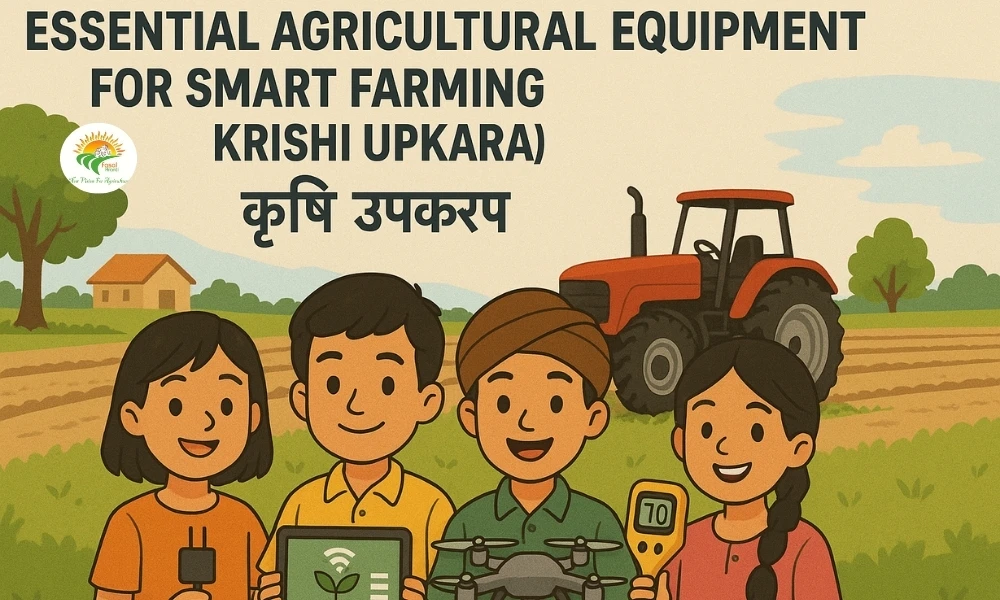
Urban farmers rely on modern, compact farming equipment and tools to maximize efficiency:
- Grow lights: Provide artificial light for indoor and vertical farms.
- Automated irrigation systems: Deliver precise amounts of water and nutrients.
- Smart sensors: Monitor temperature, humidity, and soil conditions.
- Compact composters: Turn kitchen waste into organic fertilizer.
- Modular planters: Stackable or movable containers that fit in small spaces.
- Mobile apps: Help track plant growth, watering schedules, and harvest cycles.
These tools enable urban farmers to adopt climate-smart and sustainable practices.
The Role of Technology in Urban Farming
Technology plays a vital role in scaling urban agriculture:
- IoT Devices: Enable remote monitoring and automation of watering, lighting, and climate control.
- Data Analytics: Provide insights into crop health, yield prediction, and pest management.
- Mobile Platforms: Connect urban farmers to buyers, suppliers, and educational content.
- Drones: Used for monitoring large rooftop farms or community gardens.
By embracing tech, urban farming becomes more efficient, profitable, and sustainable.
Global Examples of Urban Farming Success
1. Singapore
Singapore is a global leader in urban farming. With limited arable land, the city-state has invested heavily in vertical farms and hydroponic systems. The government supports initiatives that aim to produce 30% of the nation’s food locally by 2030.
2. New York City, USA
Brooklyn Grange is one of the largest rooftop farms in the world. It grows vegetables, hosts community events, and supplies produce to local restaurants and markets.
3. Havana, Cuba
Faced with food shortages in the 1990s, Havana turned vacant lots into urban gardens. Today, these farms supply a significant portion of the city’s fresh produce.
4. Mumbai, India
In densely populated areas of Mumbai, urban farming is gaining traction on balconies and rooftops. Organizations like Urban Leaves promote organic farming and sustainability education.
The Future of Urban Farming
Urban farming is more than a trend it’s a movement toward a more sustainable, resilient, and inclusive food system. As cities grow, integrating agriculture into urban planning will be critical. Supportive policies, public-private partnerships, and education can help mainstream urban farming.
Key future directions include:
- Scaling vertical and indoor farming
- Incorporating renewable energy sources
- Developing affordable smart farming kits
- Promoting urban farming in schools and communities
- Strengthening food policy to support local agriculture
Conclusion
Urban farming holds tremendous promise for cities worldwide. It addresses food security, promotes sustainability, supports climate-smart agriculture, and empowers communities. Whether it's a small balcony garden or a large rooftop farm, every effort contributes to building healthier, greener, and more self-reliant cities.











Sign in to leave a comment.