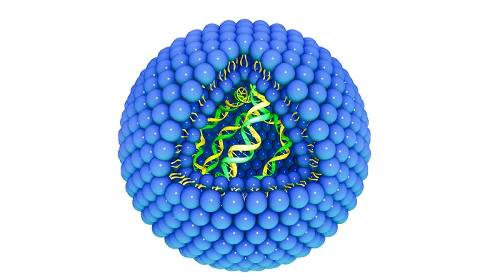

Liposomes, spherical vesicles composed of lipid bilayers, play a pivotal role in drug delivery systems by acting as carriers for therapeutic agents. These versatile structures offer a multitude of advantages in delivering drugs to target tissues or cells within the body, revolutionizing the field of pharmaceuticals.
Liposomes serve as efficient carriers for a wide range of therapeutic agents, including small molecules, proteins, peptides, and nucleic acids. Their unique structure allows them to encapsulate drugs within their aqueous core or lipid bilayers, providing protection, enhancing solubility, enabling targeted delivery, facilitating controlled release, and minimizing side effects. Here's a closer look at the advantages of liposomes in drug delivery systems:
Efficient Drug Protection: Liposomes provide a protective microenvironment for encapsulated drugs, shielding them from enzymatic degradation, chemical instability, and premature clearance by the body's immune system. By encapsulating drugs within their lipid bilayers or aqueous core, liposomes ensure prolonged drug stability and bioavailability, thus maximizing therapeutic efficacy.
Enhanced Drug Solubility: Liposomes offer a solution to the challenge of poor drug solubility, particularly for hydrophobic compounds. By encapsulating hydrophobic drugs within their lipid bilayers, liposomes improve drug solubility in aqueous environments, facilitating better absorption, distribution, and ultimately, therapeutic outcomes.
Targeted Drug Delivery: One of the most significant advantages of liposomes is their ability to deliver drugs to specific tissues, organs, or cells within the body with precision. Through surface modifications or functionalization with targeting ligands, such as antibodies or peptides, liposomes can selectively bind to receptors or antigens expressed on target cells, allowing for site-specific drug delivery. This targeted approach minimizes off-target effects, reduces systemic toxicity, and enhances therapeutic efficacy.
Controlled Drug Release: Liposomes offer precise control over the release kinetics of encapsulated drugs, allowing for tailored drug delivery profiles. By modulating factors such as lipid composition, membrane fluidity, or incorporating stimuli-responsive components, liposomes can achieve controlled and sustained drug release at the desired site of action. This controlled release enables optimized drug concentrations over time, prolongs therapeutic effects, and minimizes dosing frequency, enhancing patient compliance and comfort.
Minimized Side Effects: Liposomes play a crucial role in mitigating the side effects associated with conventional drug formulations. Through targeted delivery and controlled release mechanisms, liposomes ensure that therapeutic agents accumulate predominantly at the site of action while minimizing systemic exposure to healthy tissues. This selective drug delivery strategy reduces adverse effects, enhances patient safety, and improves overall treatment tolerability.
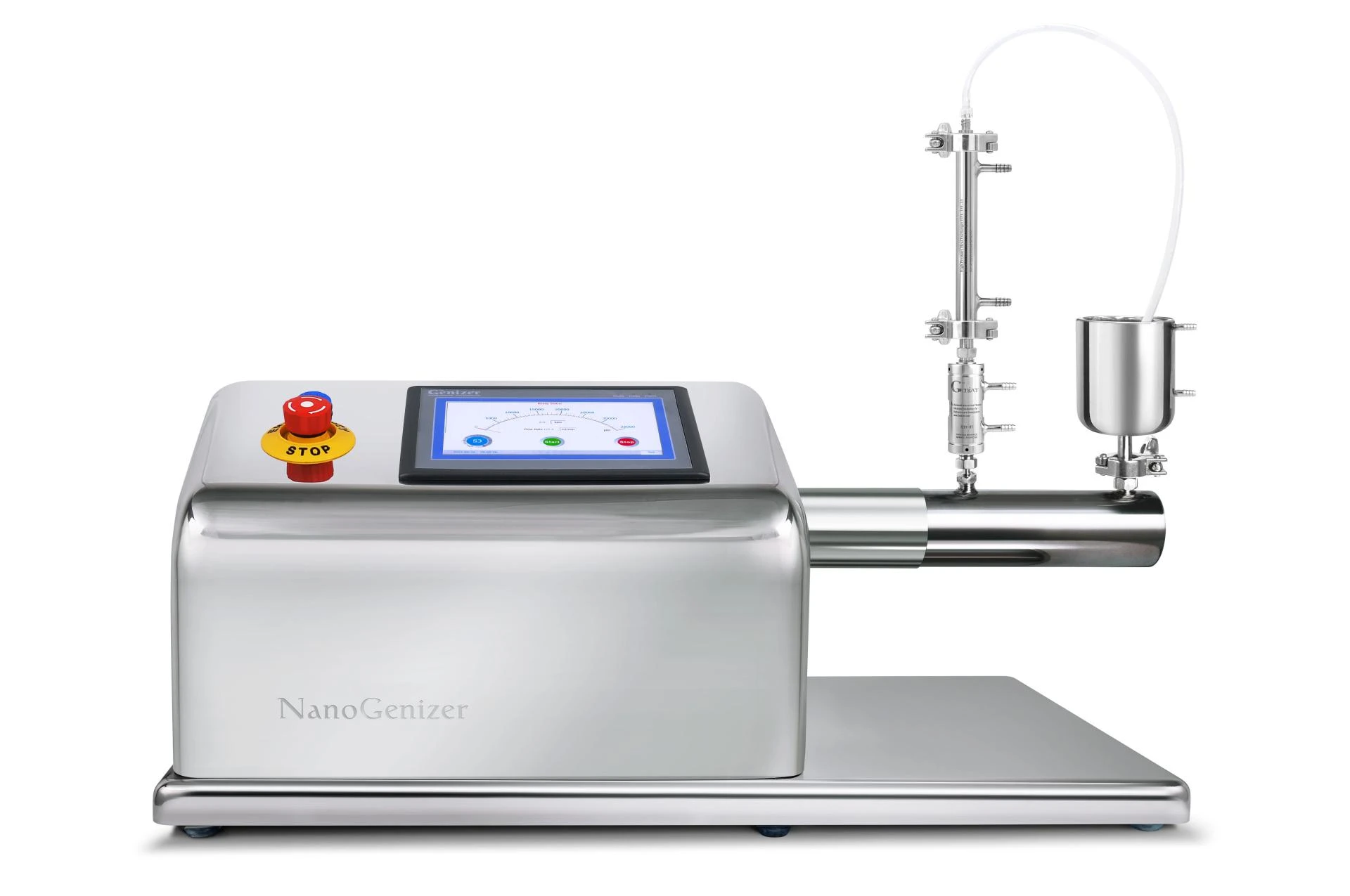
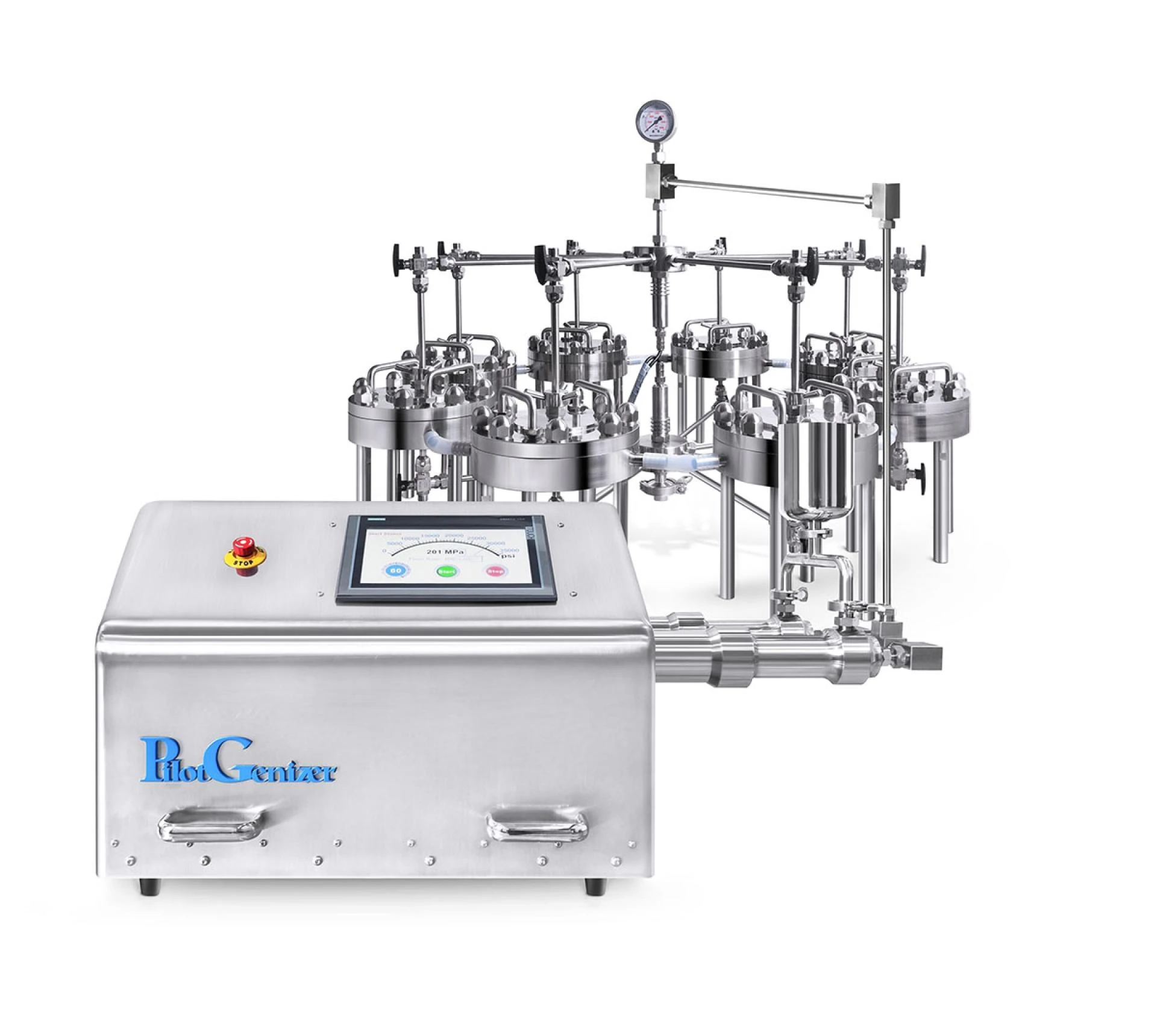
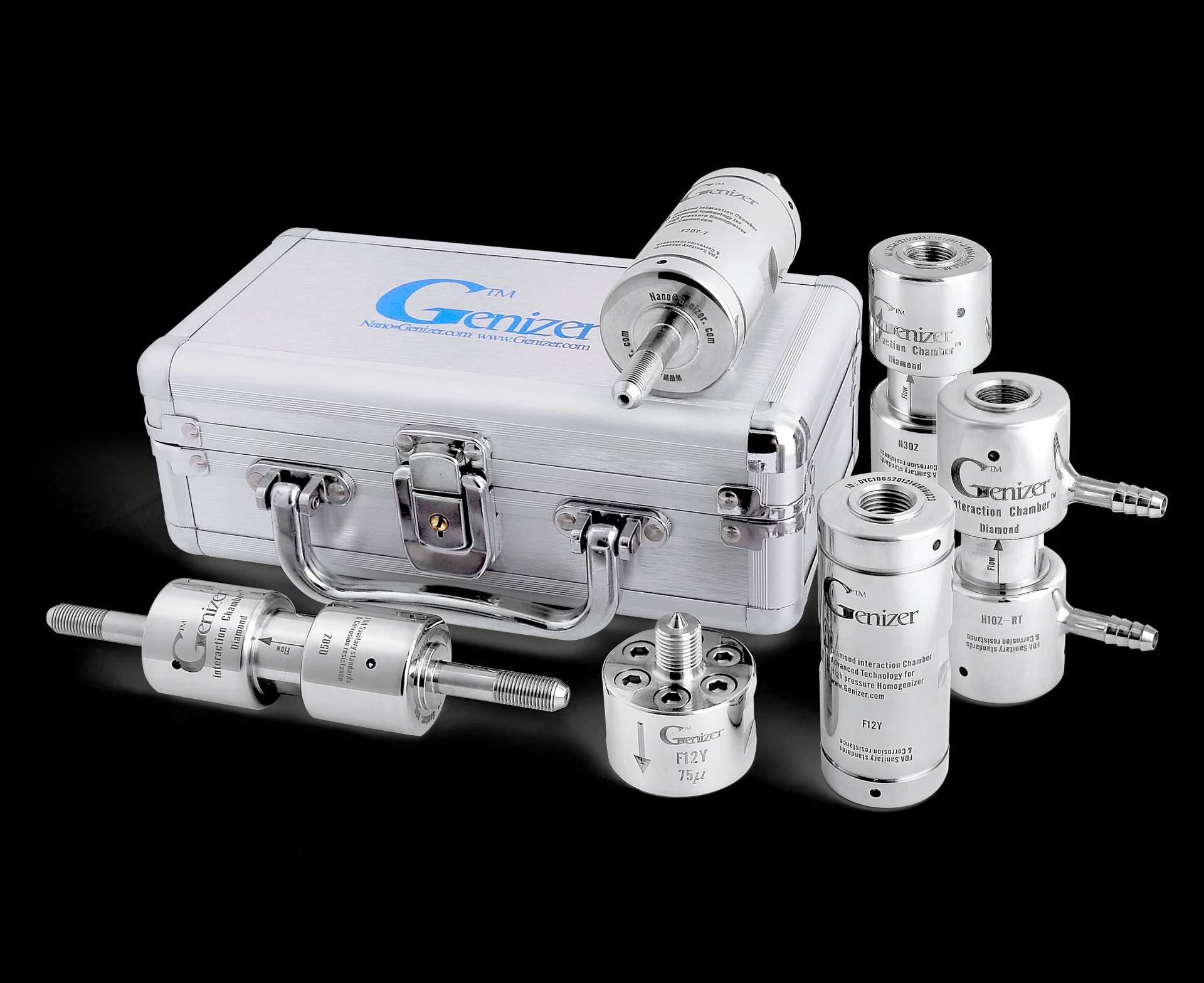
Additionally, Liposome extruders offer a precise method for preparing liposomes, ensuring uniform size and distribution. By applying high pressure, these devices force lipid suspensions and aqueous solutions through a membrane with predefined pore size, resulting in consistent liposome formation. This enhances their efficacy in drug delivery applications.
Liposomes represent a versatile and efficient platform for drug delivery, offering a myriad of advantages that address critical challenges in pharmaceuticals. Their ability to protect drugs, enhance solubility, enable targeted delivery, provide controlled release, and minimize side effects makes liposomes indispensable in modern drug delivery research and development. As advancements in liposome technology continue to unfold, the potential for liposomal drug delivery to revolutionize healthcare and improve patient outcomes remains promising.










Sign in to leave a comment.