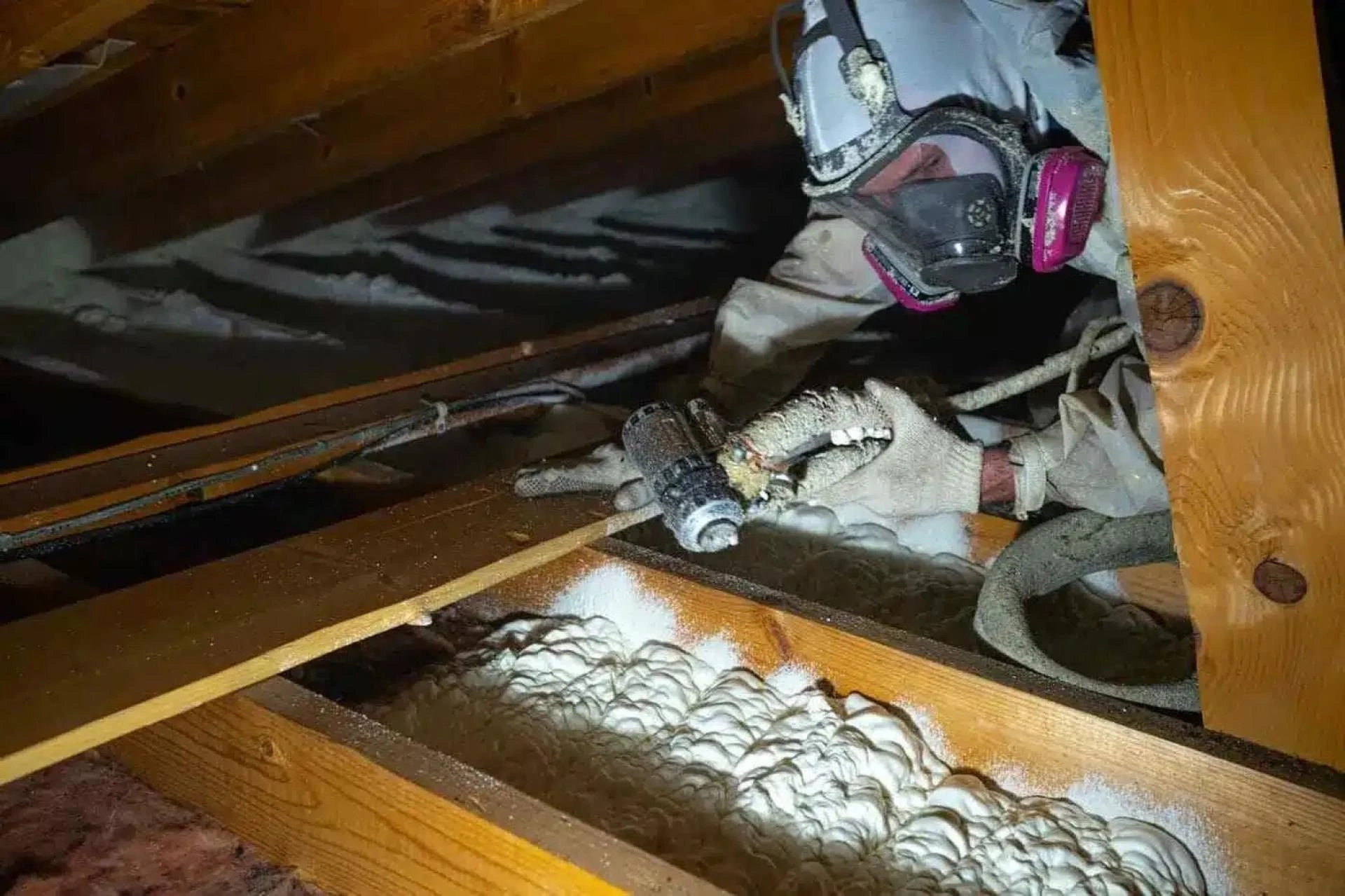
When you skip air sealing during a home renovation, you essentially build in long-term problems. The new floors, fresh paint, and updated fixtures may look great, but the house will continue to suffer from high energy bills, uncomfortable drafts, and poor indoor air quality. Skipping this step means that unconditioned air, moisture, and pollutants can still move freely through hidden gaps in the building’s structure. This undermines the investment in new insulation and finishes, leaving the home inefficient and less comfortable than it could have been.
Working with a professional air sealing contractor ensures these hidden leaks are properly identified and sealed. Using advanced tools and proven techniques, the contractor can create a continuous air barrier that prevents energy loss, enhances indoor comfort, and helps the home perform at its best for years to come.
A renovation is the perfect opportunity to address these invisible issues because the walls and ceilings are often open and accessible. This article explains the specific consequences of overlooking air sealing, drawing on the practical experience of building science professionals.
The Immediate Cost of Leaky Construction
The effects of poor air sealing aren't subtle. They show up quickly in your monthly bills and your daily comfort. Even with brand new insulation, air leakage can negate much of the benefit.
Wasted Energy and Money
Air leaks are like tiny open windows scattered throughout your home. The Department of Energy estimates that air leakage can account for 25% to 40% of the energy used for heating and cooling in a typical home. During winter, warm air rises and escapes through gaps in the attic (a process called the "stack effect"), while cold air is pulled in through leaks in the basement or foundation. In summer, the reverse happens. Your HVAC system is forced to run constantly to keep up, fighting a losing battle against the outside air.
Persistent Discomfort
Have you ever wondered why a newly renovated room still feels drafty or has cold spots near the walls? It's almost always due to air leakage. Insulation can't do its job properly if cold air is blowing through it. Unsealed gaps around window frames, electrical outlets, and recessed lighting fixtures create convective loops that lead to uneven temperatures and a general feeling of discomfort, no matter where you set the thermostat.
Hidden Problems That Grow Over Time
While comfort and energy costs are immediate concerns, the long-term consequences of skipping air sealing can be far more serious, affecting the health of both the house and its occupants.
Moisture, Rot, and Mold
This is the most dangerous consequence, especially in humid climates. When warm, moist indoor air leaks into a cold wall cavity or attic during the winter, it can condense on the cool surfaces of the sheathing or framing. This persistent moisture can lead to wood rot, structural damage, and the growth of mold. In hot, humid climates like the American Southeast, the opposite can occur in summer, with humid outdoor air getting into air-conditioned wall cavities. A proper air barrier prevents this moisture movement.
Poor Indoor Air Quality
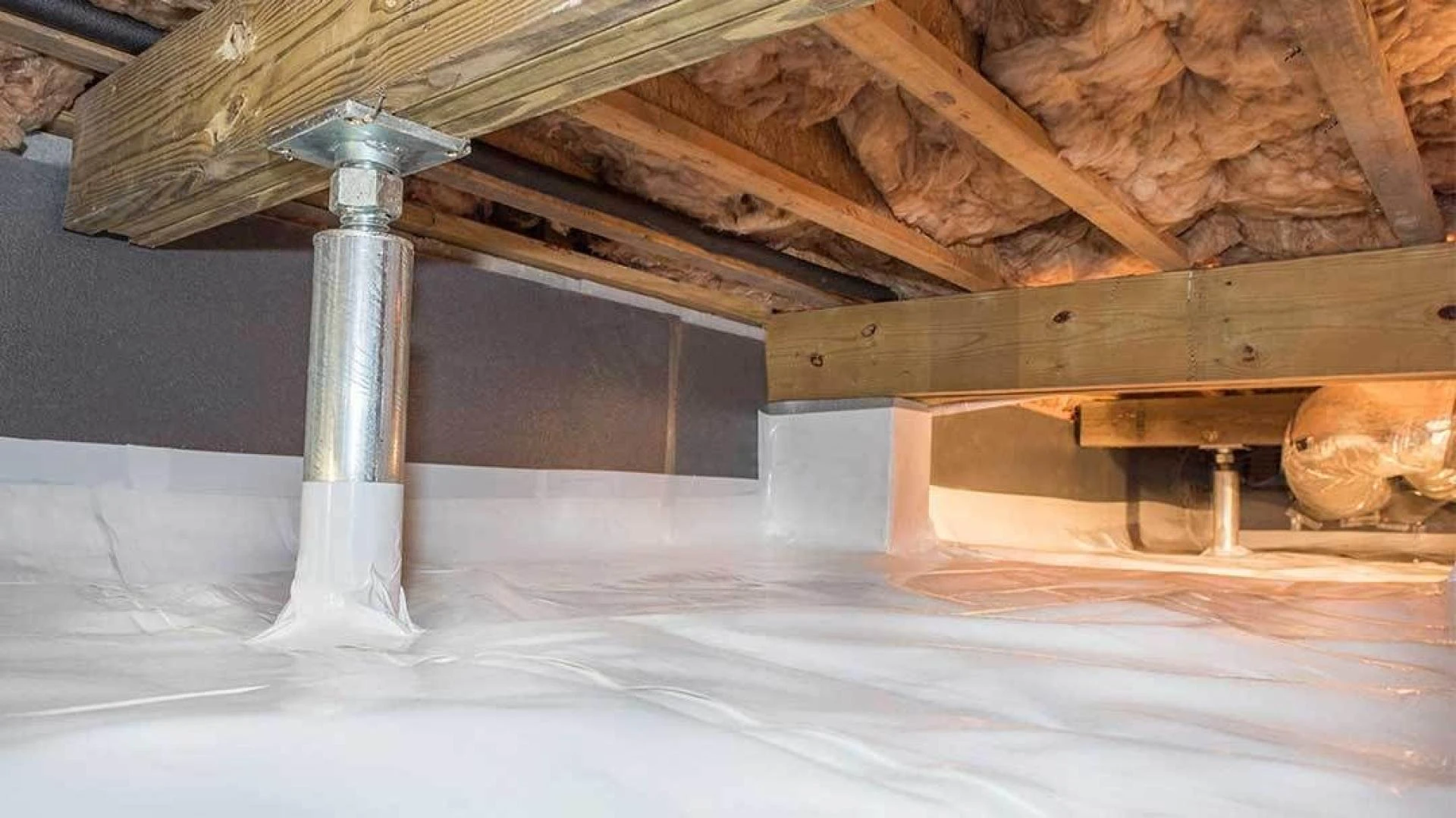
If your home is leaky, it's breathing in unfiltered air from places you'd rather not think about, like the crawl space, attic, or garage. This air can be filled with dust, mold spores, insulation fibers, pest droppings, and even carbon monoxide from the garage. Sealing these air pathways is one of the most effective ways to improve the quality of the air your family breathes every day.
Common Air Leakage Points to Address
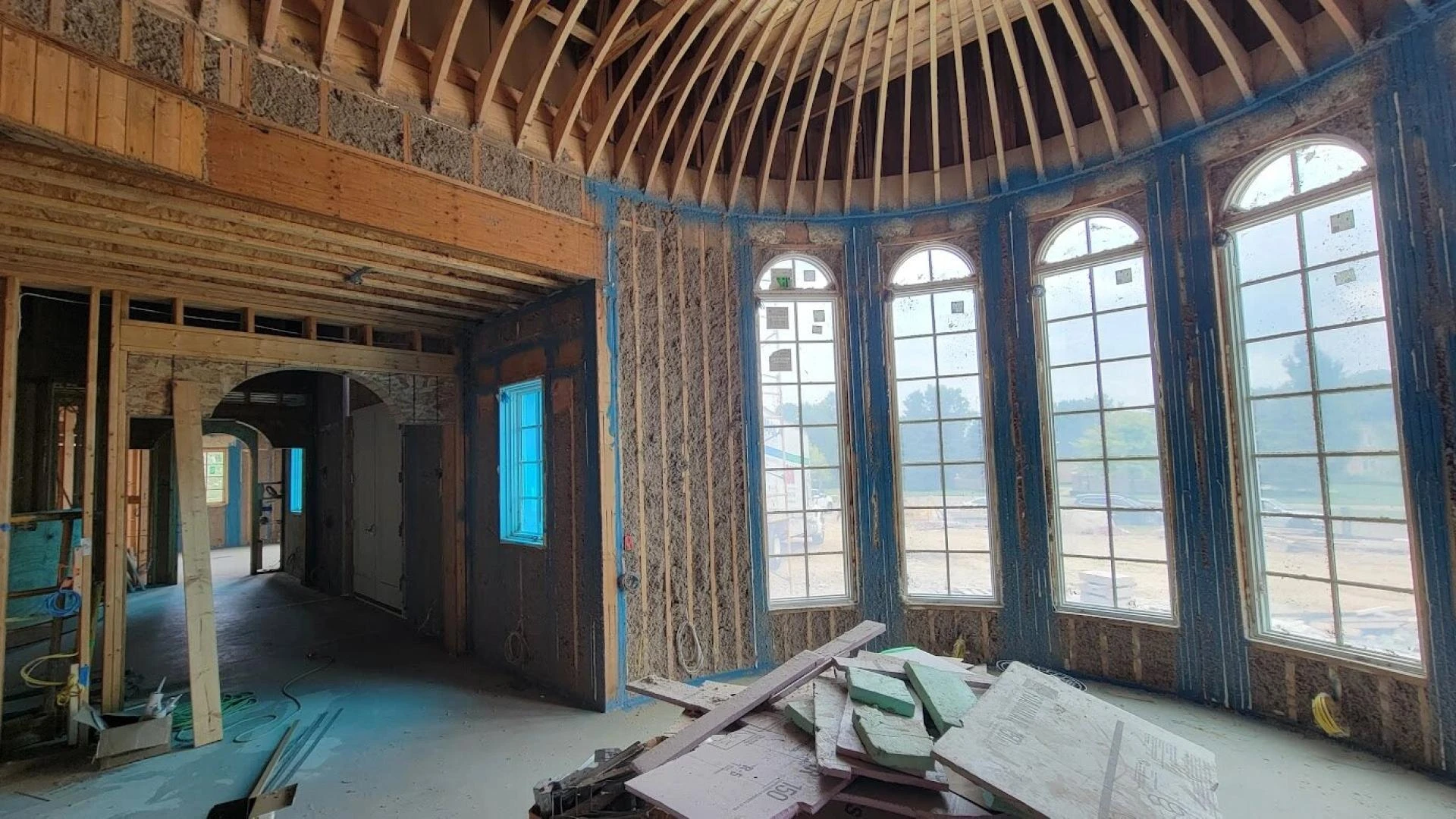
During a renovation, contractors have easy access to some of the most common and significant sources of air leaks. Addressing these before the drywall goes up is simple and highly effective.
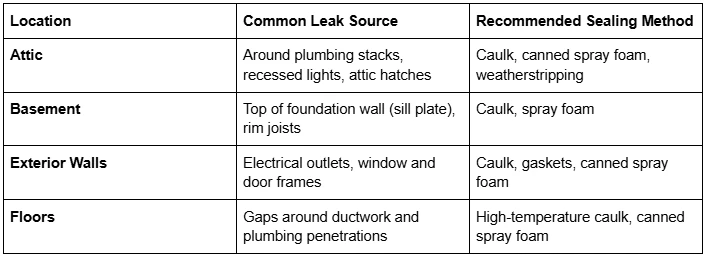
Bonus Tip: The single best time to air seal is right after the rough framing and mechanical systems are installed but before the insulation and drywall go on. At this stage, all the gaps are exposed and easy to address. Planning for this small step in the construction timeline pays huge dividends.
Things to Consider Before Your Next Renovation
To avoid the pitfalls of a leaky renovation, it's important to make air sealing a priority from the very beginning.
- Plan Ahead: Discuss air sealing with your contractor during the planning phase. Don't let it be an afterthought. A good contractor will have a clear strategy for creating an airtight building envelope.
- Budget for Performance: Allocate a portion of your renovation budget specifically for air sealing and insulation. While it's not as glamorous as new countertops, it delivers a much higher return on investment through energy savings and improved comfort.
- Hire a Knowledgeable Contractor: Ask potential contractors about their experience with building science and energy-efficient construction. A contractor who focuses only on aesthetics might not have the skills to properly seal a home.
- Consider a Professional Energy Audit: Before a major renovation, a professional energy audit with a blower door test can scientifically pinpoint all the hidden leaks in your home. This gives you and your contractor a detailed roadmap for your air sealing efforts.
Common Questions About Air Sealing
Here are some answers to questions that often come up when discussing home renovations.
Doesn't a house need to "breathe"?
Yes, but it should be controlled. A leaky house "breathes" through dirty cracks and cavities, which is unhealthy and inefficient. The modern approach is to "build tight and ventilate right." This means sealing the house as tight as possible and then using a mechanical ventilation system to provide a steady, controlled supply of fresh, filtered air.
Can't I just install new energy-efficient windows?
New windows are great, but they only solve one part of the problem. If the gaps around the window frames aren't properly sealed when they are installed, air will just leak around them, defeating much of the purpose of the upgrade.
Is air sealing something I can do myself?
Some simple air sealing tasks, like caulking around window trim or adding weatherstripping to doors, are great DIY projects. However, more complex jobs, like sealing an attic or basement rim joist, are often best left to professionals who have the right materials and expertise.
How do I know if the job was done right?
The best way to verify the effectiveness of air sealing work is with a post-renovation blower door test. This will give you a measurable score of your home's airtightness and confirm that the work was successful.
What's the connection between air sealing and insulation?
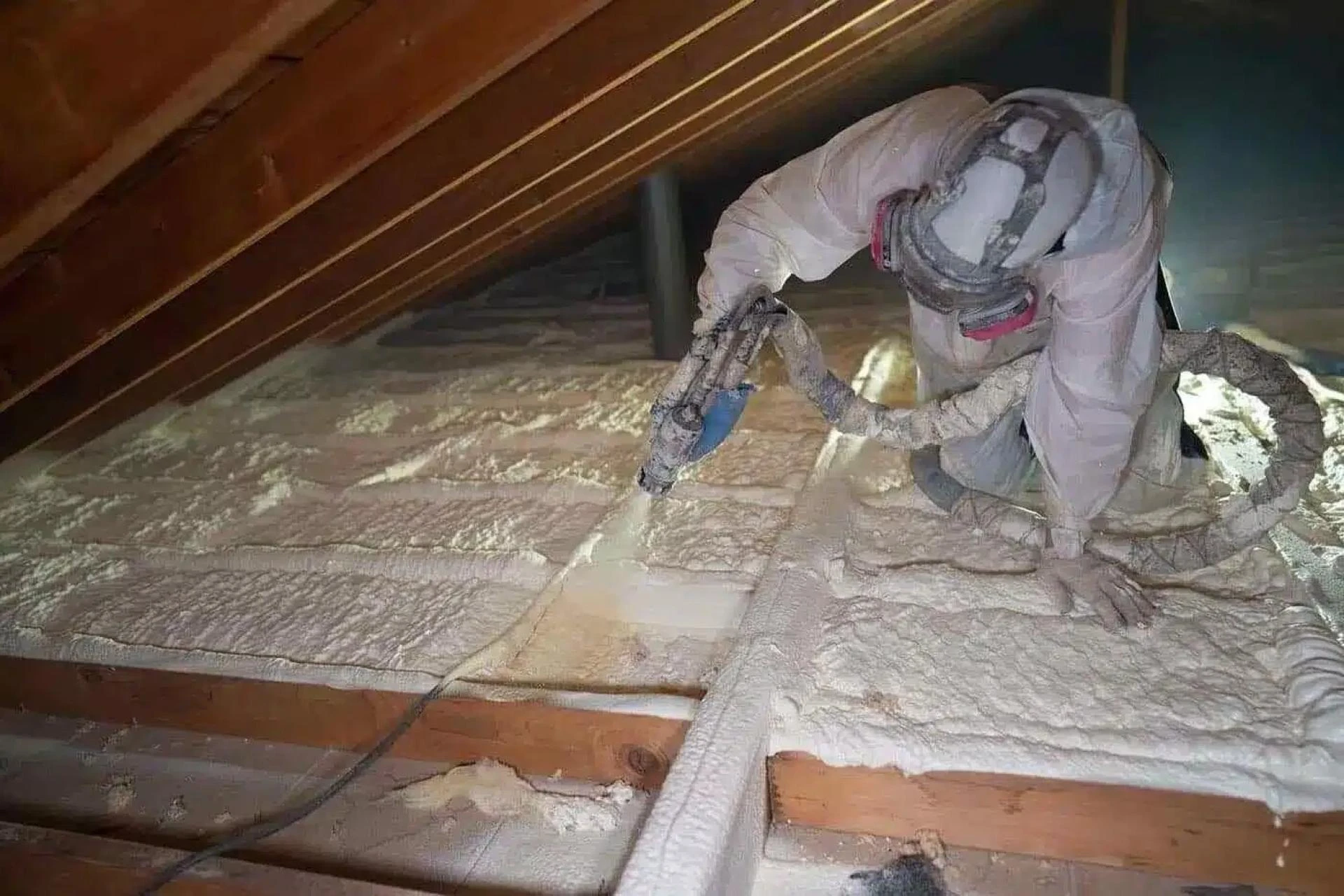
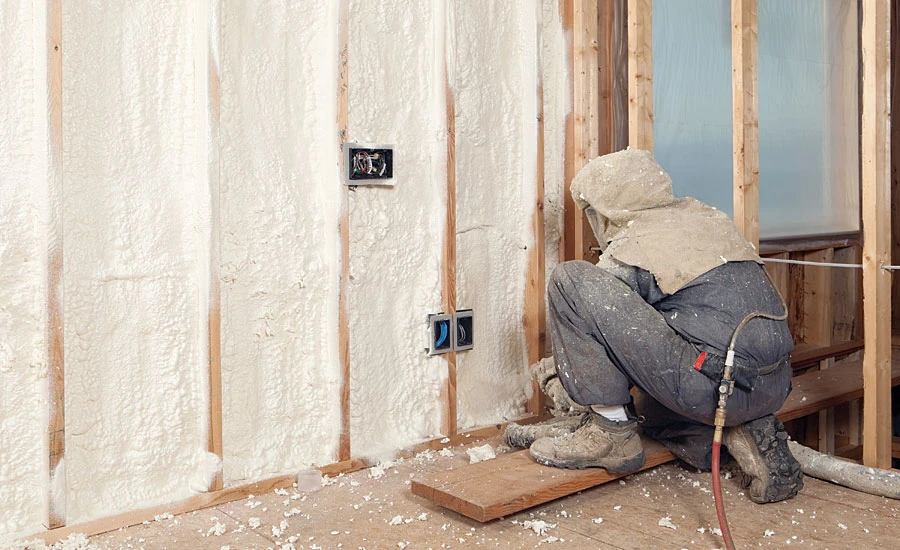
They are two sides of the same coin. Insulation slows the transfer of heat, but it can't stop air movement. Air sealing stops the drafts that carry heat with them. For an effective thermal barrier, you need both. Solutions like spray foam are popular because they provide both insulation and an air seal in a single step.
Protecting Your Renovation Investment
A home renovation is a significant investment of time and money. Skipping the critical step of air sealing leaves that investment vulnerable. An unsealed home will never be as comfortable, healthy, or affordable to operate as it could be. By prioritizing the creation of a continuous air barrier, you ensure that your beautiful new space performs as well as it looks, providing lasting comfort and value for years to come.
Get a Professional Renovation Sealing Plan
To apply these principles effectively, many homeowners find it helpful to have a professional assess their home's current air leakage. An expert can use diagnostic tools to create a priority list of sealing opportunities that can be integrated into your project. The team at Makeover Insulation, for example, specializes in this kind of whole-home performance planning. They can work with you and your contractor to ensure the job is done right. For a consultation, you can contact them at (470) 664-5300 or by email at [email protected].
Reviewer: Ava Clark shared her input based on 6 years of working with spray foam insulation teams. Her focus on customer trust and communication helped shape key parts of this post.










Sign in to leave a comment.