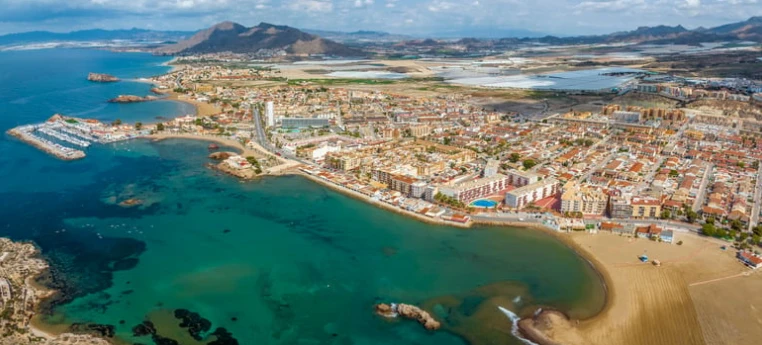

Puerto Rico, an island rich in culture, history, and natural beauty, has become an attractive destination for individuals and families looking for a change in lifestyle. Whether you’re relocating for work, retirement, or adventure, moving to Puerto Rico offers unique experiences and challenges. From navigating the tropical climate to understanding car shipping logistics, this guide will help you prepare for life on the island.
The Culture and People
Puerto Rico’s vibrant culture is a blend of Spanish, African, and indigenous Taíno influences. The people, known as "Boricuas," are known for their warm hospitality, love for music, and strong sense of community. The island celebrates numerous festivals year-round, including the famous San Sebastián Street Festival in Old San Juan, which attracts thousands of visitors.
The Climate: Tropical and Warm Year-Round
Puerto Rico enjoys a tropical climate with average temperatures ranging from 70°F to 85°F (21°C to 29°C) year-round. However, the island also experiences a rainy season from April to November and is susceptible to hurricanes, with peak storm activity occurring between August and October. Proper preparation and understanding of local weather patterns are essential for long-term residents.
Cost of Living and Daily Expenses
While Puerto Rico offers a lower cost of living compared to many U.S. cities, expenses can vary widely depending on the location. Urban areas like San Juan and Dorado tend to be more expensive, while rural regions provide more affordable living options. Electricity and water costs may be higher than on the mainland due to reliance on imports and outdated infrastructure.
Housing and Real Estate Market
The real estate market in Puerto Rico is diverse, offering everything from beachfront condos to countryside homes. There has been a surge in demand for properties due to incentives like Act 60, which offers tax benefits to new residents. Those considering buying or renting should work with local real estate agents who understand the market and legal intricacies.
Transportation and Car Shipping
Public transportation options are limited, making car ownership a necessity for most residents. If you're moving to Puerto Rico, car shipping is a crucial step to consider. Approximately 85% of households on the island own a vehicle, and the roads can be congested, particularly in metropolitan areas. When shipping a car, be sure to check for necessary documentation, including the vehicle’s title and emissions compliance.
Education and Schools
Puerto Rico has both public and private school systems. The public schools primarily teach in Spanish, so families with children who do not speak the language may prefer private or bilingual institutions. The island is also home to well-respected universities, including the University of Puerto Rico and the Polytechnic University of Puerto Rico.
Job Market and Employment Opportunities
While Puerto Rico’s job market is competitive, industries such as tourism, healthcare, pharmaceuticals, and remote work offer viable employment opportunities. The unemployment rate hovers around 6%, but those with skills in high-demand fields can find success. Many expats and remote workers move to the island to take advantage of tax incentives while maintaining U.S.-based employment.
Healthcare System
Puerto Rico has a mix of public and private healthcare facilities. The island’s healthcare system ranks well compared to other Caribbean nations, but access to specialists can sometimes require travel to the mainland. Many expats opt for private insurance to access higher-quality medical services and shorter wait times.
Food, Dining, and Grocery Shopping
Puerto Rican cuisine is a highlight of island life. From mofongo (mashed plantains) to lechón (roast pork), food plays a major role in the culture. There are over 4,000 restaurants across the island, and grocery shopping includes both local markets and familiar mainland chains. While some imported goods can be pricey, locally grown produce and fresh seafood make up for it.
Outdoor Adventures and Activities
With over 270 miles of coastline, Puerto Rico is a paradise for beach lovers. Surfing, snorkeling, and scuba diving are popular activities. Inland, you can explore El Yunque National Forest, the only tropical rainforest in the U.S. National Forest System. Adventure seekers can also visit Río Camuy Cave Park or take a bioluminescent bay tour in Vieques or Fajardo.
Safety and Community Living
Like any place, Puerto Rico has safe and less safe areas. Generally, tourist-friendly and gated communities have lower crime rates. Many expats choose to live in neighborhoods with a strong sense of community, where locals and newcomers alike look out for one another.
Challenges of Living in Puerto Rico
While the island offers many benefits, there are challenges to consider. Power outages occur occasionally due to an aging electrical grid, and hurricane preparedness is necessary. Additionally, adjusting to a slower pace of life and different bureaucratic processes can take time for new residents.
Is Puerto Rico Right for You?
Living in Puerto Rico can be a dream come true for those seeking warm weather, rich culture, and a unique lifestyle. Understanding factors like car shipping, cost of living, and local customs can help make the transition smoother. Whether you’re drawn to the beaches, tax incentives, or sense of adventure, Puerto Rico offers an unparalleled experience for those willing to embrace island life.













Sign in to leave a comment.