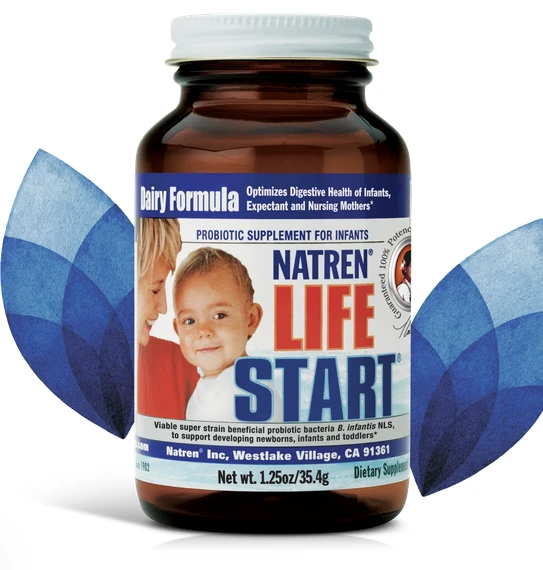

As parents, we constantly strive to provide the best for our little ones, and nutrition plays a pivotal role in their development. One topic that has garnered considerable attention in recent years is the use of probiotics for babies. Probiotics, often dubbed as "good bacteria," have been linked to a myriad of health benefits, from digestive health to immune support. However, introducing these supplements to your baby's diet raises several questions about safety, efficacy, and the best practices for implementation.
This article delves into the essentials of giving probiotics to infants, shedding light on their potential benefits, appropriate usage, and expert recommendations.
Understanding Probiotics
To fully grasp the implications of administering probiotics to babies, it’s vital first to understand what they are. Probiotics are live microorganisms that, when consumed in adequate amounts, confer health benefits on the host. Often found in fermented foods like yogurt, kefir, and sauerkraut, probiotics are also available in supplement form, making them accessible for those who may not incorporate enough fermented foods into their diets. For babies, these microorganisms can play a crucial role in developing a healthy gut microbiome—a crucial aspect of overall health.
Research indicates that during birth, infants are exposed to their mother's microbiota, which begins shaping their gut flora. However, factors such as cesarean delivery, antibiotic use, and the introduction of formula feeding can disrupt this natural process. Consequently, introducing probiotics for babies may offer an opportunity to restore balance to their gut microbiome and support their immune system.
Benefits of Probiotics for Babies
The potential benefits of probiotics for babies are numerous and can be particularly influential during the early stages of life. One of the most significant advantages is their ability to aid in digestion. Infants often experience gastrointestinal issues such as colic, constipation, or diarrhea. Probiotics can help alleviate these symptoms by promoting the growth of beneficial bacteria in the gut, which in turn aids digestion and nutrient absorption. Studies have shown that certain strains of probiotics can significantly reduce the incidence of colic in infants, providing much-needed relief for both the baby and the parents.
Moreover, probiotics have been linked to immune system support. A healthy gut microbiome is essential for the development of a robust immune response. By introducing probiotics into an infant's diet, parents may bolster their child's defenses against common illnesses, such as colds and infections. Research suggests that babies who receive probiotics may experience fewer respiratory infections and gastrointestinal illnesses, leading to fewer doctor visits and a healthier start in life.
In addition to digestive health and immune support, probiotics can influence long-term health outcomes. Emerging studies suggest that the early introduction of probiotics may reduce the risk of developing allergies and asthma later in life. This connection underscores the importance of gut health in early childhood development and the potential role of probiotics in mitigating future health issues.
When to Introduce Probiotics
Determining the right time to introduce probiotics to your baby's diet is crucial. Generally, most pediatricians recommend starting probiotics after the first few months of life. This recommendation aligns with the idea that by this age, an infant's digestive system has matured enough to handle these live microorganisms. However, if parents are considering probiotics for specific health concerns, such as colic or antibiotic use, it's essential to consult with a pediatrician beforehand.
When introducing probiotics, parents can choose between dietary sources or supplements. For those opting for dietary sources, yogurt is often suggested, provided that the baby is old enough to consume dairy. For infants under six months, probiotic drops or powders designed specifically for babies are available and can be mixed into formula or breast milk. These supplements typically contain strains of probiotics that have been researched for safety and efficacy in infants.
Safety Considerations
While probiotics for babies offer numerous benefits, safety remains a paramount concern for parents. The majority of studies indicate that probiotics are generally safe for infants, especially when derived from food sources. However, the safety of probiotic supplements can vary depending on the strains used and the overall health of the baby. Parents should always check with a healthcare provider before starting any new supplement, particularly if their child has underlying health conditions or is immunocompromised.
Another consideration is the quality of the probiotic product. Not all probiotics are created equal; therefore, choosing a reputable brand that adheres to strict quality controls is essential. Look for products that provide clear information about the strains used, their specific health benefits, and dosage recommendations. This information will help ensure that parents are making informed choices for their child's health.
Monitoring Your Baby's Response
Once probiotics have been introduced, it's important for parents to closely monitor their baby's response. While many infants may thrive with the addition of probiotics, some may experience mild gastrointestinal disturbances, such as gas or bloating, as their digestive system adjusts. These symptoms are often temporary and should subside as the body acclimates to the new microorganisms.
Keeping a journal of your baby's feeding patterns, bowel movements, and overall mood can help identify any patterns or reactions related to the introduction of probiotics. If significant discomfort or adverse reactions occur, it's crucial to consult with a pediatrician for guidance. They can help assess whether the probiotics are appropriate or if adjustments are necessary.
In summary, the introduction of probiotics for babies can offer a range of health benefits, from improved digestion to enhanced immunity. With careful consideration, consultation with healthcare providers, and diligent monitoring of your baby's response, parents can make informed decisions about incorporating these beneficial microorganisms into their child's diet. As research continues to evolve, the understanding of probiotics' role in infant health will undoubtedly expand, providing even more insights into how we can nurture our little ones' well-being from the very start.










Sign in to leave a comment.