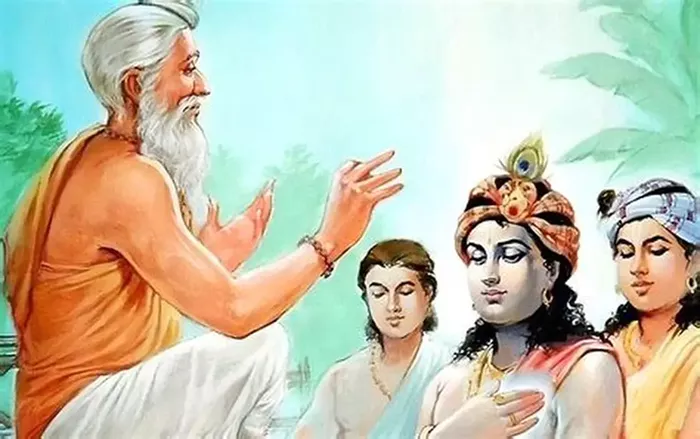

Hinduism is one of the oldest religions in the world. It has a rich tradition of spiritual teachers, known as gurus. In Hindu philosophy, a guru is someone who guides people on the path of knowledge and self-realization. A guru is not only a teacher but also a spiritual friend who helps remove ignorance. Hinduism speaks about many gurus, but traditionally, four gurus are recognized as especially important. These are known as the four gurus of Hinduism.
From a Buddhist perspective, understanding Hindu gurus helps us see the similarities and differences in spiritual guidance. Both Hinduism and Buddhism value wisdom, meditation, and moral conduct. Yet, Hindu gurus often emphasize devotion, rituals, and knowledge of scriptures, while Buddhist teachers focus more on mindfulness, meditation, and direct experience.
What is a Guru in Hinduism?
The word “guru” comes from Sanskrit. It has a deep meaning. “Gu” means darkness, and “ru” means remover. So, a guru is a remover of darkness. The darkness here is ignorance. Ignorance keeps people trapped in suffering and the cycle of birth and death, called samsara. A guru helps a disciple understand the truth about life and the self.
In Hinduism, a guru is often more than a teacher of knowledge. The guru teaches spiritual practices, helps with devotion, and gives guidance for meditation. Some gurus also give initiation or spiritual energy to their students, which is called diksha. This process is believed to help the disciple grow spiritually faster.
The Concept of the Four Gurus
In Hindu tradition, the four gurus hold a symbolic and practical role. They guide a person through life. These four gurus are:
The first guru: Mother
The second guru: Father
The third guru: Teacher or Preceptor
The fourth guru: Holy Scriptures (Shastras)
Each guru represents a stage in spiritual and moral development. They are not just symbolic; in practical life, every person relies on these four sources of wisdom.
The First Guru: Mother
The Role of the Mother
In Hinduism, the first guru is considered the mother. The mother teaches the first lessons of life. From the mother, a child learns language, basic moral values, and social skills. She shows love, care, and protection. According to Hindu thought, a mother’s love and teachings create the foundation of a person’s character.
Why the Mother is a Guru
The mother is called the first guru because she is the first teacher of dharma, which means duty and moral conduct. She nurtures the body and mind and introduces the child to basic rituals and cultural values. In the scriptures, it is said that one should always respect and honor the mother. Her guidance shapes the early understanding of life and spirituality.
The Second Guru: Father
The Role of the Father
The father is the second guru. While the mother teaches love and care, the father teaches discipline, responsibility, and knowledge. He is often the first example of authority and protection. The father provides support, guidance, and moral lessons that prepare the child for the world.
Why the Father is a Guru
In Hindu texts, the father is revered as a guide who teaches ethics, hard work, and respect for society. He also introduces children to education, including reading and learning about the world. In spiritual terms, the father helps the disciple understand the importance of duty (dharma) and self-discipline, which are key for spiritual growth.
The Third Guru: Teacher or Preceptor
The Role of the Teacher
The third guru is the formal teacher or preceptor, often called Acharya. This guru teaches knowledge beyond the home. It can be spiritual knowledge, scriptures, or skills in arts and sciences. In Hinduism, the teacher is highly respected because he or she opens the door to wisdom.
The Teacher in Spiritual Life
In spiritual life, the teacher guides meditation, rituals, and philosophy. The teacher helps the student understand the deeper truths of the Vedas, Upanishads, and other sacred texts. This guru shows the disciple how to live a moral life, develop self-discipline, and progress toward liberation (moksha).
Guru-Disciple Relationship
The relationship between teacher and student is called guru-shishya parampara. In this system, the disciple learns not just knowledge, but also character, ethics, and devotion. Respect and humility are essential in this relationship. The teacher is seen as a bridge between ignorance and wisdom.
The Fourth Guru: Holy Scriptures
What are the Scriptures?
The fourth guru is the sacred texts or shastras. These include the Vedas, Upanishads, Bhagavad Gita, and other important texts. The scriptures guide people in understanding the self, the universe, and the divine. They contain the accumulated wisdom of generations of sages and saints.
Why Scriptures are Considered a Guru
Scriptures are called the fourth guru because they teach even when a teacher is not present. By studying them, a person can learn ethics, philosophy, and meditation. Scriptures provide instructions for living a righteous life, performing rituals, and attaining spiritual knowledge. They are seen as the ultimate guide for understanding truth.
Comparing Hindu Gurus and Buddhist Teachers
As a Buddhist, one can notice some similarities and differences between Hindu and Buddhist approaches to teaching:
Similarities: Both traditions respect teachers who guide others out of ignorance. Both value ethical conduct, wisdom, and meditation. Both have a lineage of teachers.
Differences: Hindu gurus often include family members and scriptures as teachers, while Buddhism emphasizes direct experience and meditation. In Buddhism, the teacher is important, but personal understanding through mindfulness and insight is key.
From a Buddhist perspective, Hinduism’s four gurus system can be seen as a practical and symbolic path. The mother and father teach the initial moral and social skills, the teacher offers wisdom and knowledge, and the scriptures provide long-lasting guidance.
Symbolism of the Four Gurus
The four gurus also have symbolic meaning. They represent the stages of life and learning:
Mother: Nurturing and love.
Father: Discipline and protection.
Teacher: Wisdom and guidance.
Scriptures: Eternal knowledge and truth.
By understanding and honoring all four, a person can grow spiritually, ethically, and intellectually. In Hinduism, respect for these four gurus is not only social but also a spiritual practice.
Practical Lessons from the Four Gurus
The teachings of the four gurus are very practical. Here are some lessons:
Respect for Parents: Always honor and care for mother and father. They guide the earliest steps of life.
Value of Education: Teachers are sacred. Learning from them helps develop wisdom and skill.
Study of Scriptures: Reading and understanding sacred texts strengthens knowledge and morality.
Spiritual Discipline: By following guidance from these four sources, a person develops self-control, virtue, and insight.
Conclusion
The four gurus of Hinduism—mother, father, teacher, and scriptures—form a complete system of guidance for life. Each has a unique role in teaching morality, knowledge, and spirituality. From a Buddhist perspective, this system shows the importance of guidance and respect on the spiritual path. Although the methods may differ, both Hinduism and Buddhism recognize that wisdom comes through guidance, practice, and understanding. Respecting these gurus is seen as a path to knowledge, inner peace, and liberation.
FAQs
1. Can the four gurus be anyone else besides family and teachers?
Traditionally, the four gurus are mother, father, teacher, and scriptures. However, spiritually, anyone who teaches wisdom and moral conduct can act as a guru.
2. Why are scriptures considered a guru?
Scriptures guide people even when a teacher is not present. They contain eternal wisdom that can help a person understand life, ethics, and spirituality.
3. How does one honor the four gurus?
Respecting parents, following teachers, studying scriptures, and living a moral life are ways to honor the four gurus.
4. Do Buddhists have a similar concept of gurus?
Buddhists value teachers and spiritual guides, called lama or kalyāṇa-mitta. They emphasize guidance for meditation and ethical living, but personal insight is considered the ultimate path to liberation.













Sign in to leave a comment.