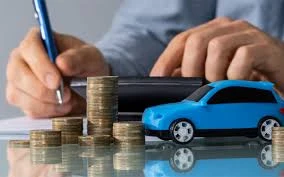

Buying a car is an exciting investment, but it comes with an unfortunate reality: depreciation. From the moment you drive your new car off the dealership lot, its value begins to drop. In fact, new cars can lose 20-30% of their value in the first year alone! Understanding car depreciation calculator is key to protecting your financial investment, and the good news is that there are ways to minimize the impact.
Let’s dive into why cars depreciate, how fast it happens, and what you can do to reduce the financial hit.
What is Car Depreciation?
Car depreciation refers to the decline in a vehicle’s value over time. Many factors contribute to this loss of value, including age, mileage, wear and tear, and market demand. Depreciation is inevitable, but understanding it can help you plan ahead and protect your car’s resale value.
How Much Value Does a Car Lose?
On average, a new car loses 20-30% of its value in the first year. After five years, your car might be worth only 40-60% of its original purchase price. This varies based on the type of car, how well it’s maintained, and market factors like demand or fuel efficiency trends.
But don't worry—just because depreciation happens doesn’t mean you're powerless. There are steps you can take to slow the process and maximize your car’s value when it's time to sell or trade it in.
Factors That Affect Car Depreciation
Several factors determine how quickly and how much a car depreciates. Some of these you can control, while others are outside your influence.
1. Age of the Car
One of the biggest contributors to depreciation is the age of the vehicle. The moment a new car is driven off the dealership lot, it loses a significant portion of its value. The steepest depreciation occurs in the first few years, but the value continues to decline, albeit at a slower rate, as the car ages.
2. Mileage
The more miles you drive, the quicker your car will lose value. A car with low mileage is generally worth more, as it’s seen as less worn and less likely to have maintenance issues. If you're planning on selling your car in a few years, try to keep your mileage below average (typically 12,000-15,000 miles per year).
3. Brand and Model
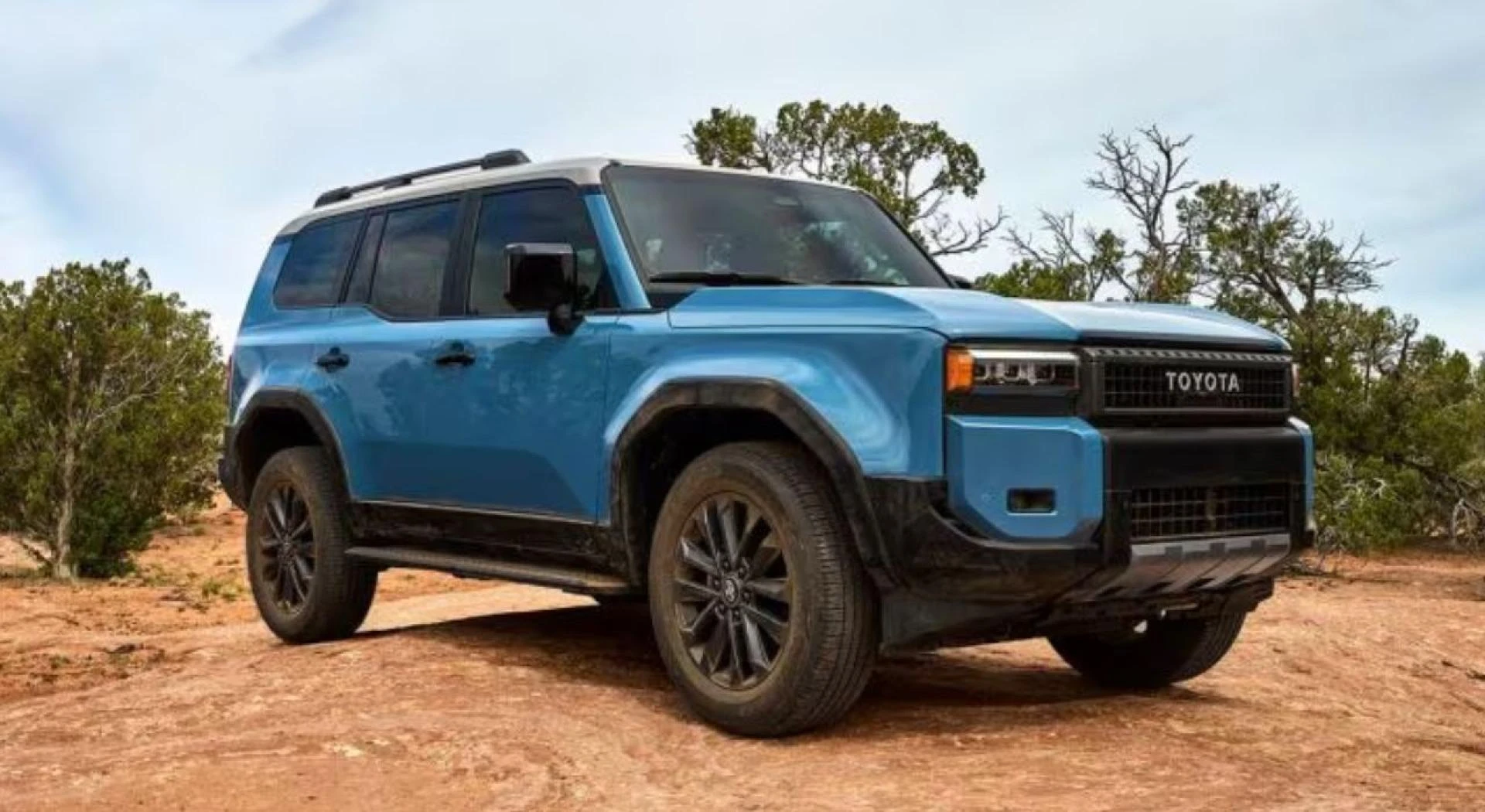
Some brands hold their value better than others. For example, vehicles from Toyota, Honda, and Lexus tend to depreciate more slowly than those from brands like Dodge or Chevrolet. Additionally, popular models like the Toyota Corolla or Honda Civic are often in high demand on the used car market, which helps them retain value.
4. Condition and Maintenance
A well-maintained car will always be worth more than a car that’s been neglected. Regular maintenance, keeping up with oil changes, and addressing repairs promptly can all help slow down depreciation. A car with a clean interior, no visible damage, and a well-maintained exterior will also look more appealing to potential buyers.
5. Accidents and Repairs
If your car has been in an accident, its value will drop significantly. Even if the damage was repaired properly, the car’s history will be recorded, and buyers often avoid cars with an accident history. Keeping your car in pristine condition and avoiding accidents is crucial to protecting its value.
How to Minimize Car Depreciation
While you can’t entirely prevent depreciation, there are strategies to reduce its impact. Here are some tips on keeping your car’s value as high as possible:
1. Buy Used or Certified Pre-Owned Cars
The most effective way to combat depreciation is to buy a used or certified pre-owned vehicle. Since new cars depreciate the most in the first few years, buying a 2-3-year-old car can save you thousands. Certified pre-owned cars often come with warranties, offering peace of mind while allowing you to avoid the steepest depreciation curve.
2. Choose a Reliable Make and Model
Certain car brands and models depreciate slower than others. Before making a purchase, research the car’s resale value over time. Popular, reliable models from brands like Toyota, Honda, and Subaru typically hold their value better than others. Luxury vehicles like Lexus and BMW can also retain value for longer periods.
3. Maintain Low Mileage
If you plan on selling your car later, keeping the mileage low is key. While some driving is inevitable, limiting long-distance trips or avoiding a daily commute in your car can help preserve its value. Regularly tracking your mileage will help you stay mindful of how much you’re putting on your car.
4. Keep Your Car in Good Condition
A car that’s in good condition (inside and out) will always fetch a higher price when it’s time to sell. Keep up with routine maintenance, and don’t ignore issues when they arise. Cleaning your car regularly, fixing any minor cosmetic damage, and making sure everything is running smoothly can significantly extend your vehicle’s lifespan and resale value.
5. Don’t Modify Your Car
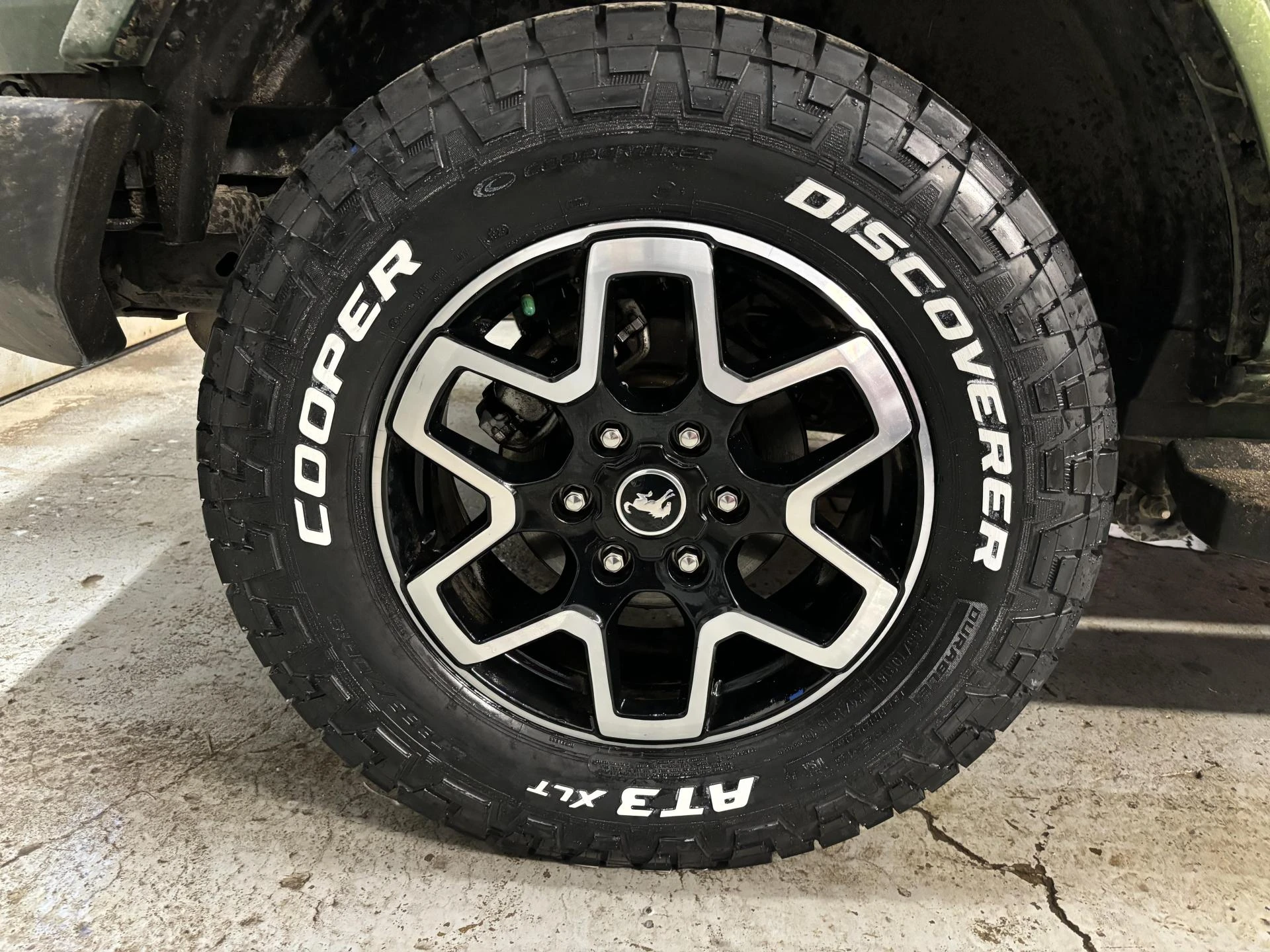
While personalizing your car may seem fun, modifications can hurt its resale value. Most buyers prefer vehicles that are close to their original condition. Aftermarket modifications, such as custom wheels, non-standard paint jobs, or performance upgrades, often decrease a car’s appeal to the broader market. Keep your car as close to factory specifications as possible.
6. Choose the Right Time to Sell
Timing can affect how much your car is worth when you decide to sell. Certain times of year, such as spring and summer, are better for selling, as people are more likely to buy vehicles during these months. You should also keep an eye on market trends, as changes in demand for certain types of cars (like fuel-efficient models) can impact your car’s value.
Final Thoughts: Managing Depreciation with Care
Car depreciation is a natural part of vehicle ownership, but that doesn’t mean you can’t manage it wisely. By purchasing the right car, maintaining it properly, and being strategic about how you drive and when you sell, you can slow down depreciation and get the most value for your vehicle.
While you can’t stop time, understanding car depreciation and taking steps to protect your investment can make a big difference in how much you’ll get when it’s time to move on to a new vehicle.










Sign in to leave a comment.