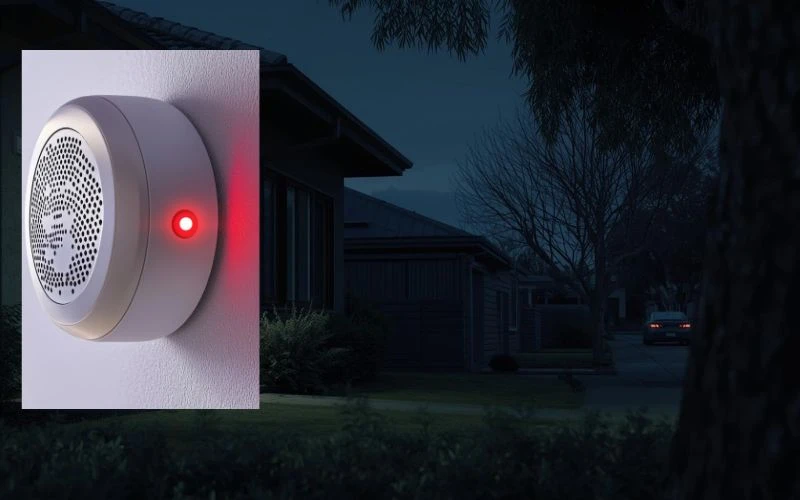

Intro: The 2 AM Alarm That Nobody Wants
It’s the middle of the night. The house is quiet. Then suddenly, your alarm system blares through the hallway.
You rush to check the doors and windows. Everything looks normal. No intruder. No open entry points.
So what happened?
Interestingly, false alarms are far more common than people think. Security industry estimates suggest a large percentage of residential alarm activations are caused by system issues rather than real break-ins. In many cases, the reason is something small that homeowners simply overlook.
Meanwhile, Melbourne homes face unique factors—temperature shifts, pets, older wiring, and battery wear—that can trigger alarms unexpectedly.
Let’s explore the six most common causes and what you can do about them.
Could a Low Backup Battery Be Causing the Problem?
Surprisingly, this is one of the most common reasons alarms trigger at night.
Most home security systems rely on a backup battery that keeps the system running during power outages. Over time, these batteries lose capacity and can send unstable signals to the alarm panel.
When the battery becomes weak, your system may:
- Trigger random alarms
- Show warning lights on the keypad
- Reset after small power interruptions
- Beep every 30–60 seconds
An easy way to prevent this issue is to replace the backup battery every 3–4 years. Many older alarm systems in Brighton that homeowners still use may have batteries well past their ideal lifespan.
Think of it like a smoke alarm battery—small component, big impact.
Can Motion Sensors Be Too Sensitive?
Yes, and it happens more often than people expect.
Motion detectors are designed to pick up movement using heat signatures and infrared technology. Meanwhile, everyday household activity can sometimes fool them.
Common triggers include:
- Pets moving through monitored areas
- Curtains shifting from the airflow
- Ceiling fans create shadow movement
- Heating systems turning on or off
- Insects inside the sensor housing
Interestingly, temperature drops at night can also create tiny shifts in air movement that sensors detect as motion.
Quick tip:
Make sure motion detectors are installed away from vents, windows, and direct airflow.
Could Loose Door or Window Sensors Be the Cause?
Door and window sensors work using small magnetic contacts. When the door opens, the magnetic connection breaks and the alarm activates.
But if the sensors become misaligned, the system may think the door opened—even when it didn’t.
This can happen because of:
- Loose screws
- Door frame movement
- Houses settling over time
- Temperature changes overnight
Meanwhile, colder nighttime temperatures can slightly shrink materials, which may affect sensor alignment.
A simple inspection can often reveal this issue.
Are Environmental Changes Triggering Your Alarm?
Sometimes the cause isn’t mechanical—it’s environmental.
Homes naturally shift during the night due to temperature changes. These subtle changes can affect doors, windows, and air pressure inside the house.
Other environmental triggers may include:
- Strong winds are shaking doors or gates
- Outdoor lights triggering motion sensors
- Tree branches moving near windows
- Air pressure changes inside the home
Think of it like this: your alarm system is designed to be extremely alert. Occasionally, it becomes too alert.
Could the System Be Aging?
Technology evolves quickly, and security systems are no exception.
If your alarm system is more than 8–10 years old, it may start experiencing reliability issues such as:
- Sensor transmission is slower
- old-style control buttons
- parts that are breaking
- not many diagnostic features
In many cases, upgrading through professional alarm system installation in Melbourne services provides more reliable technology with improved sensors and smarter monitoring features.
Newer systems also offer mobile alerts and better diagnostic warnings before faults occur.
What Should You Check First?
If your alarm triggers during the night, start with a quick inspection.
Home Alarm Troubleshooting Checklist
✔ Check the keypad for battery warnings
✔ Replace backup batteries older than 3–4 years
✔ Inspect door and window sensor alignment
✔ Clean motion detectors (dust and insects matter)
✔ Confirm pets are not entering monitored zones
✔ Test the system to ensure all sensors communicate properly
Meanwhile, regular maintenance can prevent most false alarms before they start.
Final Takeaway: Small Fixes Can Prevent Big Headaches
A late-night alarm doesn’t always mean someone is breaking in. In many cases, it’s simply your system telling you that something needs attention.
The good news? Many of these problems—such as worn batteries, misaligned sensors, or environmental changes—can usually be resolved with simple routine maintenance.
If your alarm keeps triggering repeatedly, it may be worth having the system professionally checked to ensure everything is working correctly.
After all, a security system should give you peace of mind, not wake you up at 2 AM.






Sign in to leave a comment.