
The Har Ki Dun trek in Uttarakhand is one of the most beautiful and culturally rich treks in the Indian Himalayas. Known as the “Valley of Gods,” this trek is not just about mountains and forests, but also about myths, legends, and old village life that still survives in the remote corners of the Himalayas. At an altitude of about 11,500 feet, Har Ki Dun offers green valleys, rivers, snowy peaks, and traditional wooden houses that make the journey feel like a walk back in time.
For those who love nature, the Har Ki Dun trek offers everything from pine forests to alpine meadows. For history lovers, the valley connects deeply with ancient stories from the Mahabharata, adding a unique cultural layer to the adventure. That is why this trek is often seen as a perfect mix of natural beauty and cultural history.
The Natural Beauty of Har Ki Dun Valley
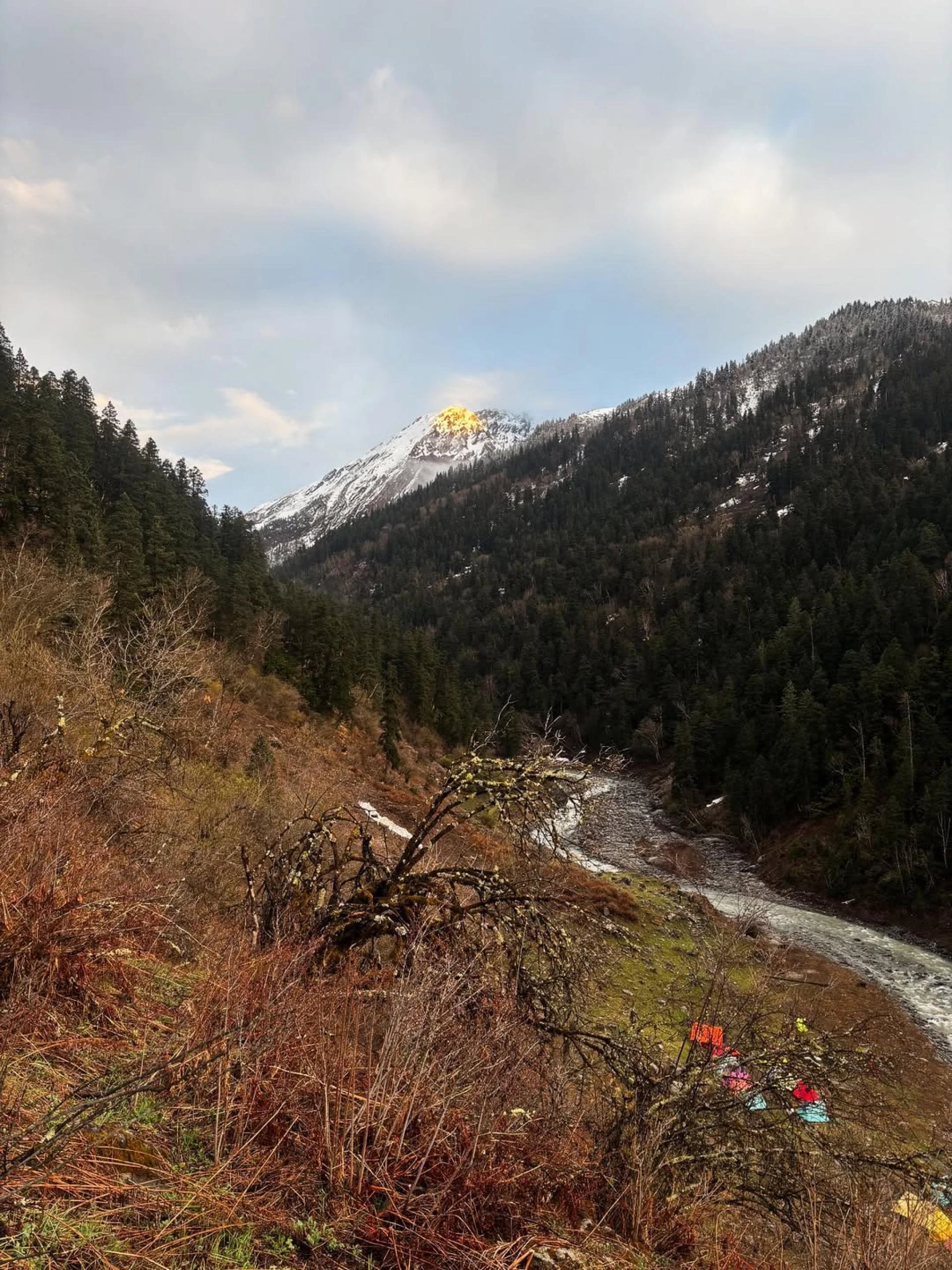
The Har Ki Dun trek begins from Sankri village in Uttarkashi, Uttarakhand. The trail passes through dense forests of pine, oak, and deodar, where sunlight filters through the tall trees and streams flow quietly. As you walk deeper, the scenery opens into wide meadows, grazing fields, and clear mountain rivers.
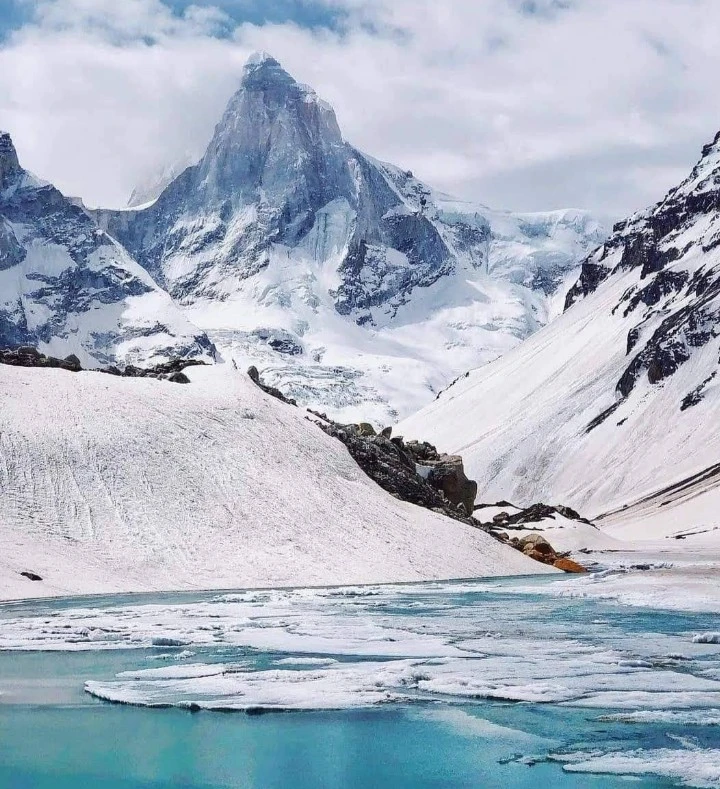
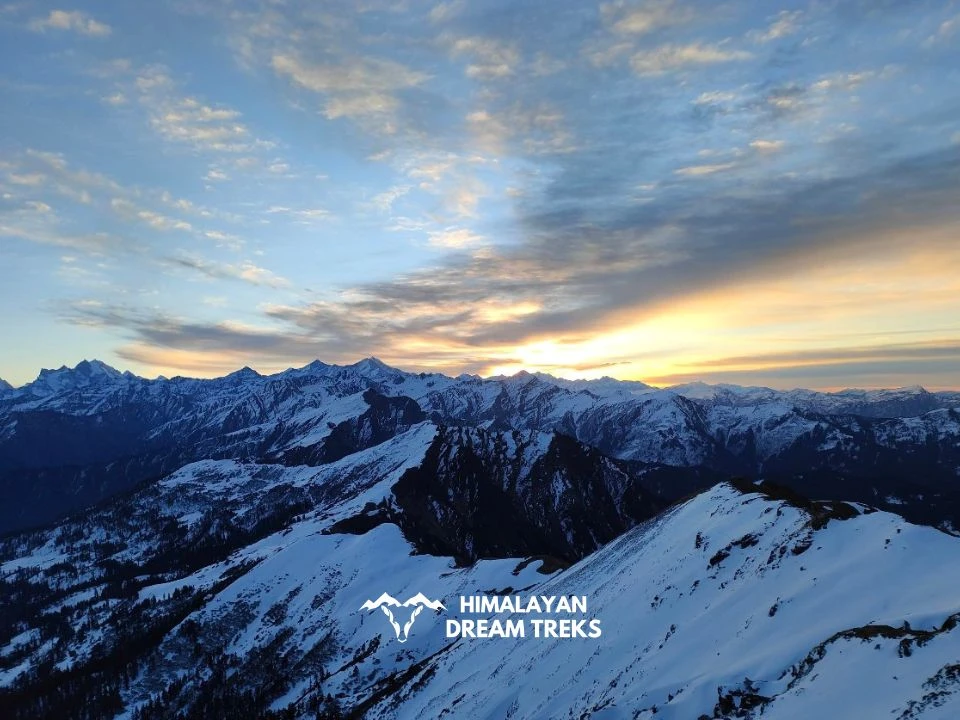
One of the highlights of this trek is the view of snow-covered peaks like Swargarohini, Bandarpoonch, and Black Peak. These majestic mountains make the valley look like a painting. In spring and summer, wildflowers bloom across the meadows, while in winter, the entire valley is covered with a blanket of snow.
Trekkers also get to see rare birds, colorful butterflies, and sometimes mountain animals like bharal (blue sheep). The variety of landscapes makes the trek a treat for anyone who loves to spend time in nature.
Legends and Historical Connections
What makes Har Ki Dun different from many other treks is its strong link with mythology. Local stories say that this valley was the path taken by the Pandavas on their final journey to heaven, which is why it is often called the “Valley of Gods.” The peak Swargarohini, which is visible from the trek, is believed to be the very mountain that led to heaven.
Along the trail, trekkers pass through remote villages where traditions are still alive. The wooden houses, temples, and farming practices in these villages have remained unchanged for centuries. For history lovers, this is like walking into a living museum of Himalayan culture. The valley also has ruins and ancient temples dedicated to local gods, giving a sense of how deeply faith and nature are connected here.
The Trekking Experience
The Har Ki Dun trek is considered moderate in difficulty and usually takes 6–7 days to complete. It covers around 45–50 km of distance and is suitable for both beginners with basic fitness and experienced trekkers.
The journey passes through charming villages like Osla and Seema, where travelers can interact with locals, learn about their lifestyle, and see wooden carvings on old houses. These villages add warmth to the trek and make it more than just a walk through the mountains.
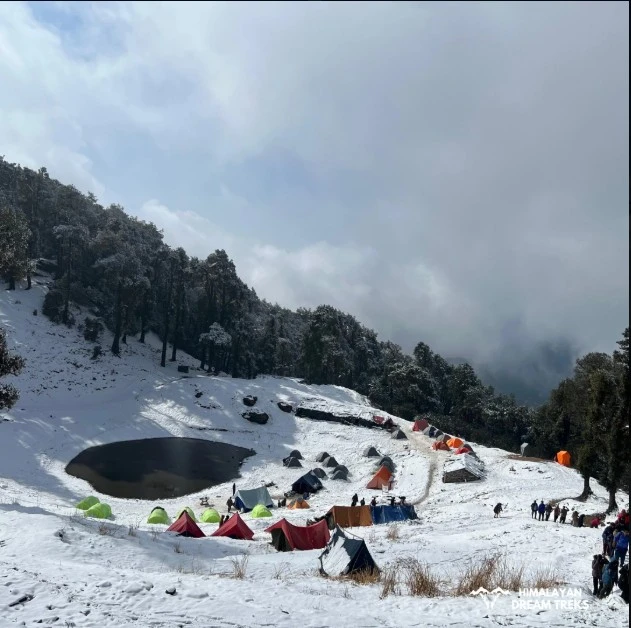
Camping is another unforgettable part of the trek. Trekkers spend nights under starry skies, with the sound of rivers flowing nearby. Each campsite offers a different view—sometimes meadows, sometimes snowy peaks, and sometimes deep forests.
Best Time to Do Har Ki Dun Trek
The valley changes its look with each season, making it worth visiting more than once.
- Summer (April to June): Best for clear views, green meadows, and blooming flowers.
- Autumn (September to November): Crystal clear skies and golden forests make it very scenic.
- Winter (December to March): The valley is covered in snow, turning it into a white paradise. This season is magical but requires proper winter gear.
The monsoon season (July to August) is best avoided due to heavy rains and slippery trails.
Why Har Ki Dun is Perfect for Nature Lovers
- Wide variety of landscapes: forests, meadows, rivers, and snowy peaks.
- Rich plant and animal life, with chances to see Himalayan birds and flowers.
- Peaceful environment, far from city noise and pollution.
- Beautiful campsites in natural settings, perfect for photography and relaxation.
Why Har Ki Dun is Perfect for History Lovers
- Strong connection to Mahabharata legends and Pandavas’ journey to heaven.
- Ancient wooden temples and traditional architecture in villages.
- Old farming practices and lifestyle that reflect Himalayan history.
- Living culture where faith, festivals, and stories still shape daily life.
Tips for Planning Har Ki Dun Trek
- Start preparing with basic fitness exercises like walking, jogging, and stretching.
- Carry proper trekking shoes with ankle support.
- Pack warm layers, even in summer, as nights are cold.
- Always trek with a guide or group for safety and a richer experience.
- Respect local culture and avoid littering in the valley.
Final Thoughts
The Har Ki Dun trek is more than just a trek it is a journey through nature and history together. For nature lovers, it offers rivers, meadows, forests, and snowy peaks. For history lovers, it carries legends of the Pandavas, ancient temples, and untouched village life.
If you are searching for a trek that goes beyond adventure and connects you with stories of the past, the Har Ki Dun trek is the perfect choice. It shows that the Himalayas are not only about mountains but also about myths, culture, and the beauty of living close to nature.










Sign in to leave a comment.