

Investing in mutual funds has become one of the most popular ways to build long-term wealth. With hundreds of fund options available across different categories, selecting the right one can feel overwhelming. This is where mutual fund return comparison plays a crucial role. By carefully comparing fund performance, investors can make informed decisions that align with their financial goals, risk appetite, and investment horizon.
Understanding how to evaluate and compare mutual fund returns helps investors avoid guesswork and choose funds that offer consistent performance rather than temporary gains. Smart investors rely on structured analysis to ensure their investments contribute to steady and reliable wealth creation.
Understanding Mutual Fund Returns
Mutual fund returns represent the growth of your investment over a specific period. These returns are influenced by market conditions, fund management strategies, asset allocation, and overall economic trends. While high returns may look attractive at first glance, they do not always reflect stability or long-term reliability.
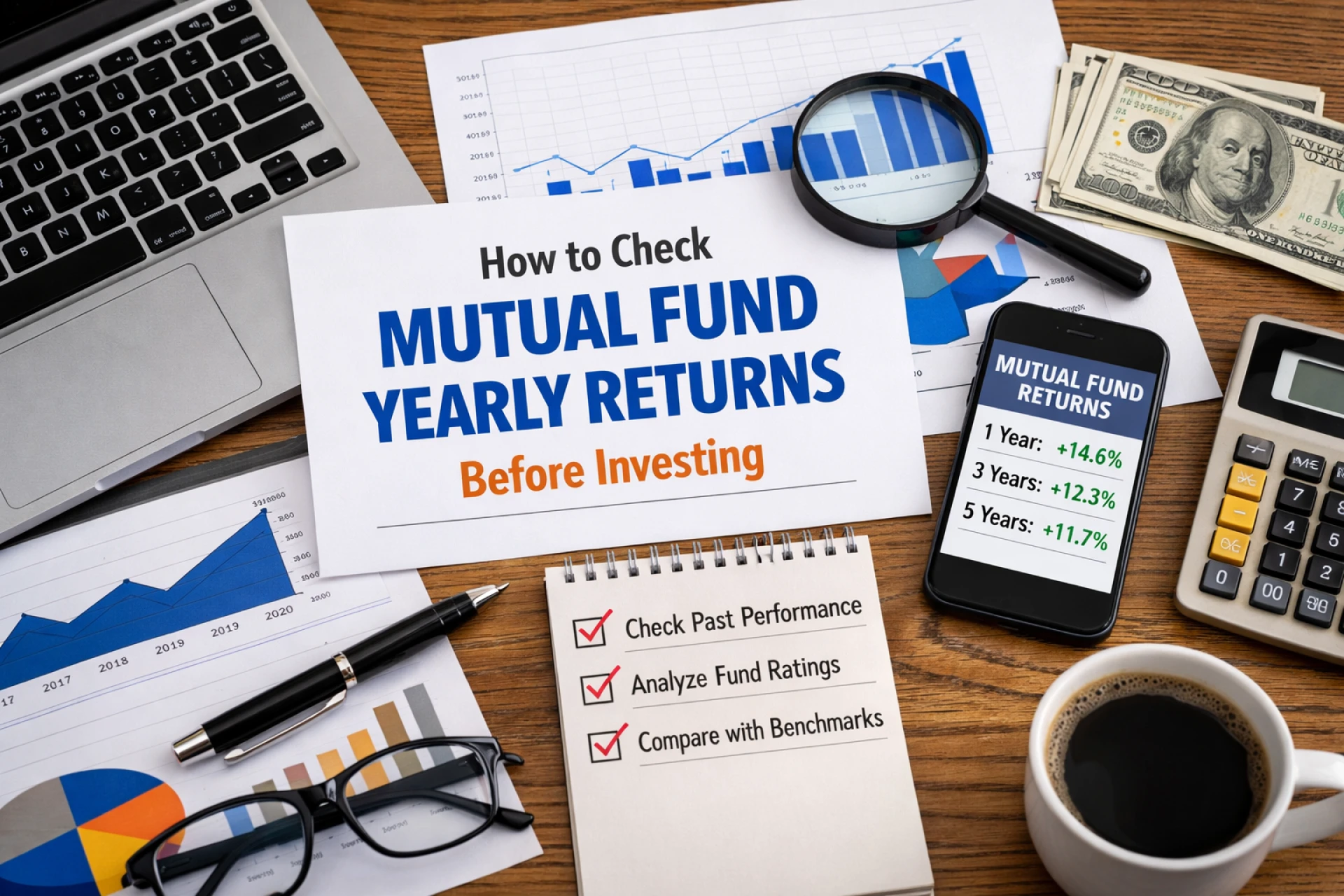
Conducting a proper mutual fund return comparison allows investors to analyze performance across different time frames such as one year, three years, five years, or even longer. This helps identify funds that maintain consistent growth rather than those showing sudden short-term spikes.
Why Comparing Mutual Fund Returns Is Important
One of the biggest advantages of comparing returns is gaining clarity about fund performance relative to its peers. Two funds may belong to the same category but deliver very different results due to their portfolio composition and management approach.
A detailed comparison helps investors:
- Identify funds with consistent long-term performance
- Evaluate risk-adjusted returns
- Avoid underperforming or unstable funds
- Select funds aligned with personal financial goals
When investors analyze multiple funds together, they gain a broader perspective that helps reduce investment risks and improve overall portfolio quality.
Helps in Identifying Consistency Over Time
Many investors focus only on recent returns, which can be misleading. Markets move in cycles, and a fund that performs well during one phase may struggle during another. A reliable mutual fund return comparison considers historical performance across multiple market cycles.
Consistency is often a stronger indicator of fund quality than short-term growth. Funds that deliver steady performance demonstrate strong portfolio management and risk control. This makes them more suitable for long-term financial planning such as retirement or wealth accumulation.
Evaluating Risk Along With Returns
Returns alone should never be the only factor when selecting mutual funds. Some funds deliver higher returns by taking excessive risks, which can lead to large losses during market downturns. Comparing funds helps investors understand the balance between risk and reward.
By analyzing metrics like volatility, drawdowns, and risk-adjusted performance, investors can select funds that match their comfort level. Smart investing focuses on stable growth rather than unpredictable returns.
Helps in Choosing the Right Fund Category
Mutual funds come in different categories, including equity funds, debt funds, hybrid funds, and sector-based funds. Each category serves a different purpose and suits different investment goals. Conducting a proper mutual fund return comparison within the same category ensures fair and meaningful evaluation.
For example, comparing an equity fund with a debt fund may not provide accurate insights because their objectives and risk levels differ. Instead, comparing funds within the same category allows investors to identify the best-performing options.

Supports Better Portfolio Diversification
Return comparison is also useful for portfolio diversification. Investors often spread their investments across multiple funds to reduce risk. Comparing returns helps identify complementary funds that balance growth and stability.
A well-diversified portfolio built through careful comparison can improve overall performance while reducing exposure to market volatility. Diversification also protects investments during uncertain economic conditions.
Role of Professional Research and Analysis
Many investors find it challenging to analyze multiple funds independently. This is where expert insights and research tools become valuable. Platforms like Quant Trade provide data-driven investment insights, helping investors understand fund performance, market trends, and portfolio strategies.
By using professional research support, investors can simplify the comparison process and make smarter decisions backed by reliable data. Access to expert guidance can significantly improve investment outcomes, especially for beginners.
Long-Term Impact on Wealth Creation
Smart investing is not about chasing quick profits. It is about building wealth gradually through disciplined decision-making. A detailed mutual fund return comparison ensures investors select funds capable of delivering sustainable growth over time.
Regular comparison also helps investors monitor their portfolio performance and make adjustments when needed. Reviewing investments periodically allows investors to replace underperforming funds and stay aligned with their financial goals.
Invest Smarter With Mutual Fund Comparison
Choosing the right mutual fund requires more than just looking at attractive return numbers. Investors must analyze consistency, risk levels, fund category performance, and long-term growth potential. A structured mutual fund return comparison provides the clarity needed to make confident and informed investment decisions.
Take control of your investment journey by evaluating funds carefully and focusing on sustainable growth rather than short-term gains. For deeper market insights, expert analysis, and data-driven investment strategies, explore trusted resources and professional guidance available through Quant Trade. Making comparison a regular part of your investment planning can help you stay ahead and build long-term financial success.
Frequently Asked Questions (FAQs)
1. What is mutual fund return comparison?
Mutual fund return comparison is the process of evaluating the performance of different mutual funds over specific time periods to identify the best investment options.
2. Why is comparing mutual fund returns important?
It helps investors select funds with consistent performance, balanced risk, and long-term growth potential while avoiding underperforming investments.
3. How often should investors compare mutual fund returns?
Investors should review and compare their mutual fund performance at least once or twice a year to ensure their portfolio remains aligned with financial goals.
4. Can high returns guarantee better mutual fund performance?
No, high short-term returns do not guarantee long-term stability. Consistency and risk management are equally important factors.
5. How can beginners perform effective mutual fund comparisons?
Beginners can use research platforms, professional advisory services, and data analysis tools like those offered by Quant Trade to simplify comparison and improve decision-making.









Sign in to leave a comment.