
For children growing up in bilingual households, building a strong connection to both languages is essential. It’s not just about vocabulary; language is tightly woven into identity, culture, and confidence. For Russian-speaking families helping their children learn English, bilingual picture books offer a perfect bridge. These books bring both languages together on the page, helping kids understand sentence structure, recognize sight words, and make reading time more engaging. With fun illustrations and stories that reflect their lives, bilingual books make language learning a natural and enjoyable experience.
After all, when children can see their home language right beside English, it reduces the stress of learning and encourages them to explore more. That’s why Russian children’s books in a bilingual format are especially effective. They help create meaningful language connections, making them powerful tools for immersive learning.
Why Bilingual Picture Books Work So Well
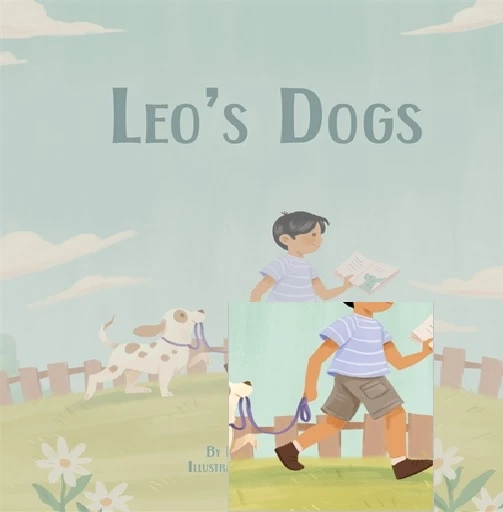
Children are visual learners. They pick up new words faster when they see and hear them in context. Bilingual children’s books in Russian and English are designed with this in mind. These aren’t long novels or difficult folktales. They’re short, colorful stories tailored to young readers who are still developing literacy in both languages.
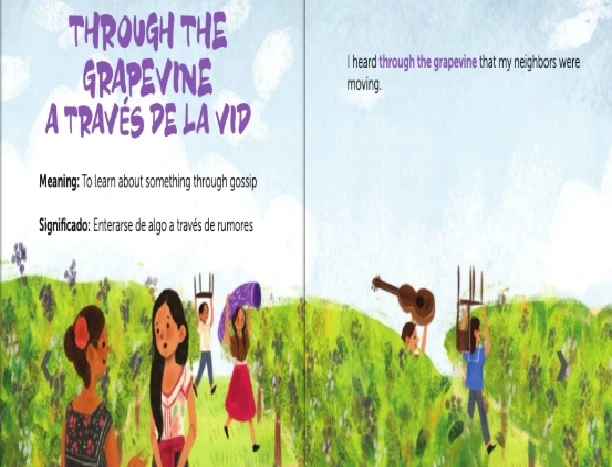
Each page pairs Russian and English side by side, helping children draw comparisons between words and phrases. This builds confidence as they begin to associate images with vocabulary. Over time, kids start predicting the meanings of new English words based on what they already understand in Russian. It’s a natural form of immersion, one that doesn’t rely on flashcards or memorization.
Parents and teachers also benefit from this format. It encourages shared reading experiences that allow families to explore both languages together. For classrooms celebrating cultural diversity, bilingual books invite all students to learn about each other’s languages in a respectful and inclusive manner.
The Role of Audio Support in Language Development
Reading is essential, but so is listening. That’s where Russian audiobooks can make a big difference. Paired with bilingual texts, audio support reinforces pronunciation and helps children internalize sentence flow and tone.
Some bilingual children’s books come with an audio recorder pen that allows children to tap on pages and hear the words spoken aloud in both languages. This multi-sensory approach enhances memory and encourages repeated reading, a highly effective method for building fluency in English.
For Russian-speaking children, having that reassurance of hearing a familiar language alongside a new one boosts comprehension and makes reading less intimidating.
Creating a Strong Language Foundation at Home
Consistency is key. When Russian children are exposed to both languages every day through books, music, and conversation, their brains start to adapt quickly. Reading bilingual books daily creates a safe and structured way to explore English without abandoning one’s first language.
Rather than forcing English-only materials, families can use books that honor their child’s native language while gently introducing English. This helps maintain strong cultural connections and enables children to retain their identity. That balance is crucial not just for language development, but also for emotional well-being.
Why Russian Children’s Books Stand Out for Immersion
The reason Russian children’s books are so effective in bilingual learning is that they meet children where they are at home, in their comfort zone. With familiar characters, simple stories, and clear illustrations, these books gently guide young readers into the world of the English language. And when paired with engaging English text, they become powerful tools for immersion.
Unlike traditional textbooks, these bilingual books invite curiosity. They help children develop a love for reading and learning. Instead of focusing on grammar rules or tests, the goal becomes storytelling, connection, and fun.
Conclusion: Making English Learning Meaningful for Russian-Speaking Kids
Whether at home or in school, creating an immersive language environment doesn’t have to be complicated. With bilingual children’s books in Russian and English, families can support their child’s English learning journey in a way that feels personal, engaging, and effective.
These tools not only build vocabulary but foster pride in language and culture. And when paired with read-aloud audio or fun activities, the learning experience becomes even richer. That’s why many educators and families are turning to Russian children’s books as a core part of their language support strategy.
For those seeking a diverse and thoughtfully curated collection of bilingual materials, Language Lizard is an excellent starting point for exploration.







Sign in to leave a comment.