If you have dry skin, you’ve probably struggled with finding the right skincare routine. Many people with dry or sensitive skin avoid sunscreen, worried it might clog pores, feel greasy, or worsen flakiness. This is a common—and risky—misconception.
The truth is, sunscreen is essential for all skin types, including dry skin. Skipping it leaves your skin vulnerable to damage that goes beyond sunburn. Let’s explore why sunscreen is non-negotiable and how to choose the right one for dry skin.
Why Sunscreen Matters for Everyone
Sunscreen isn’t just a summer accessory—it’s a year-round necessity. It shields your skin from UVA and UVB rays, which are responsible for a range of skin issues:
- UVA rays cause premature aging, like wrinkles and fine lines.
- UVB rays are responsible for sunburn and can directly damage DNA in skin cells.
- Long-term exposure increases the risk of hyperpigmentation and skin cancer.
Whether you're sitting by a window, walking on a cloudy day, or working near screens, your skin is exposed to UV light. Sunscreen is your skin's daily defense.
Dry Skin and Sun Exposure: A Tough Combo
Dry skin already lacks the moisture and lipids needed to maintain a strong barrier. When exposed to the sun, that barrier gets even weaker.
Here’s how sun exposure worsens dry skin:
- UV rays break down collagen and elastin, making skin rougher and less elastic.
- Sunlight evaporates moisture from the skin, intensifying flakiness and tightness.
- Prolonged exposure can lead to inflammation and redness, making dryness harder to manage.
In short, skipping sunscreen when you have dry skin isn’t just uncomfortable—it’s damaging.
The Right Sunscreen Can Help Hydrate
Good news: many modern sunscreens are formulated to protect and nourish dry skin. Look for sunscreens that contain:
- Hyaluronic Acid – binds water to the skin for long-lasting hydration.
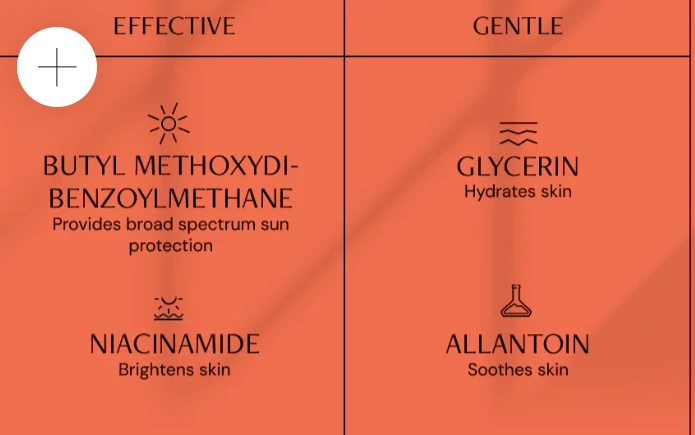
- Glycerin – draws moisture from the air into the skin.
- Ceramides – restore the skin’s protective barrier.
Choose a broad-spectrum sunscreen with at least SPF 50+, and make sure it's labeled as moisturizing, hydrating, or for dry/sensitive skin. The best sunscreen for dry skin will do more than just block rays—it will also support your skin’s moisture balance.
Tips for Applying Sunscreen on Dry Skin
To get the most out of your sunscreen without irritating your skin, follow these simple tips:
- Moisturize first: Always apply sunscreen after your moisturizer, not before. This locks in hydration.
- Use enough product: Don’t skimp. Apply at least a nickel-sized amount for your face alone.
- Reapply regularly: Reapply every 2 hours if you’re outside, and immediately after sweating or swimming.
- Choose the right texture: Go for cream or lotion-based formulas. Avoid alcohol-based sprays or gels that can dry the skin further.
Common Myths Debunked
Let’s clear up a few sunscreen myths—especially the ones that stop people with dry skin from using it:
- “I don’t need sunscreen on cloudy days.”
- False. Up to 80% of UV rays can pass through clouds.
- “Sunscreen will make my skin drier.”
- Not true—the right formula can actually hydrate your skin. Look for moisturizing ingredients.
- “I only need sunscreen at the beach.”
- UV damage happens daily, not just on vacations. If you’re near windows, outdoors, or even around screens, you need protection.
Conclusion
Sunscreen isn’t just for sunny days or oily skin types—it’s a critical part of protecting and caring for dry skin. The key is choosing the right sunscreen for dry skin that hydrates while it protects.












Sign in to leave a comment.